It was 11:47 PM on a random Thursday in early April, and I was supposed to be meal-prepping for the week. The fridge was full of good intentions — asparagus that needed using, a lemon that was starting to soften, and a fillet of salmon I’d grabbed on sale. The plan was to make something respectable, something I could photograph for the blog and feel proud of. But honestly? I was tired. The kind of tired where you stare at the oven like it’s asking too much of you.
I didn’t have the energy for a complicated marinade or a fancy pan-sear that would leave my kitchen smelling like fish for days. But I had butter (always), I had that lemon, and I had this weird little idea that popped into my head while I was standing there in my pajamas at midnight. What if I just… baked it? With butter? And let the spring vegetables roast right alongside it?
That night, I threw the salmon on a sheet pan, dotted it with butter, squeezed the lemon haphazardly (seeds and all — let’s be real), and tossed in the asparagus without even trimming the ends properly. It was messy. It was lazy. And it was honestly the best salmon I’d made in months. The butter created this silky sauce as it melted, the lemon brightened everything up, and the asparagus got tender and slightly charred at the tips. I ate it standing at the counter at midnight, and I remember thinking, “Why don’t I do this every single week?”
Maybe you’ve been there — wanting something that feels special but not having the energy for a production. This spring baked salmon with lemon butter is that recipe. It’s the one you make when you want to feel like you’ve got your life together without actually having to try that hard. And honestly? That’s the best kind of recipe to keep in your back pocket.
Why You’ll Love This Recipe
Let me tell you why this spring baked salmon with lemon butter has become my go-to for everything from busy weeknights to casual dinner parties. I’ve tested this method at least a dozen times, tweaking the temperature and timing until it was absolutely foolproof. Here’s what makes it special:
- Ready in 25 Minutes: From fridge to table in under half an hour. That’s faster than takeout in my neighborhood, and it tastes way better.
- Pantry-Friendly Ingredients: Butter, lemon, garlic, salt, pepper — you probably have everything except the salmon already. No fancy grocery store runs required.
- Perfect for Spring Gatherings: Easter brunch, Mother’s Day dinner, or a simple Tuesday night when you want to celebrate the season. This dish fits right in.
- One Pan, Minimal Mess: The salmon and vegetables roast together on a single sheet pan. Less cleanup means more time enjoying your meal.
- Restaurant-Quality Results: The butter bastes the salmon as it bakes, creating this incredibly tender, flaky texture that feels way more indulgent than it actually is.
What makes this version different from every other baked salmon recipe out there? It’s the timing and the temperature. I bake it at a slightly higher heat than most recipes recommend, which gives you that beautiful golden exterior while keeping the inside perfectly moist. And the lemon butter isn’t just drizzled on top — it melts into the fish as it cooks, infusing every single bite with bright, rich flavor.
This is comfort food for spring. It’s lighter than a winter stew but just as satisfying. The first time I made it for my neighbor, she asked for the recipe before she’d even finished her plate. That’s the kind of reaction this salmon gets. It’s simple enough for a Tuesday but impressive enough for company, and that’s a rare combination worth holding onto.
What Ingredients You Will Need
This spring baked salmon with lemon butter uses simple, fresh ingredients that let the natural flavors shine. No complicated sauces or hard-to-find items here — just good ingredients treated right.
For the Salmon
- 4 salmon fillets (6 ounces each, skin-on or skinless — I prefer skin-on for extra moisture)
- 4 tablespoons unsalted butter, softened (Kerrygold is my favorite for its rich flavor)
- 2 cloves garlic, minced (fresh only — the jarred stuff won’t give you the same result)
- 1 tablespoon fresh lemon juice (about half a lemon)
- 1 teaspoon lemon zest (don’t skip this — it adds brightness you can’t get from juice alone)
- 1 teaspoon salt (I use kosher salt for better control)
- 1/2 teaspoon black pepper, freshly ground
- 1/2 teaspoon dried dill (or 1 tablespoon fresh dill, chopped)
For the Spring Vegetables
- 1 bunch asparagus, woody ends snapped off (about 1 pound)
- 1 cup cherry tomatoes, halved (look for ones that are firm and brightly colored)
- 2 tablespoons olive oil
- 1/2 teaspoon salt
- 1/4 teaspoon black pepper
For the Lemon Butter Sauce
- 2 tablespoons unsalted butter
- 1 tablespoon fresh lemon juice
- 1 teaspoon lemon zest
- 1 tablespoon capers, drained (optional, but I love the briny pop they add)
A few notes on ingredients: If you can get wild-caught salmon, do it. The flavor is cleaner and the texture is firmer than farmed. That said, I’ve made this with regular Atlantic salmon plenty of times and it’s still delicious. For the butter, make sure it’s softened to room temperature so it spreads easily on the salmon. Cold butter won’t incorporate the same way.
For substitutions, you can swap the asparagus for green beans or broccolini if that’s what’s in season. The cherry tomatoes can be replaced with sliced zucchini or bell peppers. And if you’re dairy-free, use a good quality vegan butter — just make sure it’s unsalted so you can control the salt level yourself.
Equipment Needed
You don’t need a fancy kitchen to make this spring baked salmon with lemon butter. Here’s what you’ll actually use:
- Sheet pan (a half-sheet pan works perfectly — mine is from Nordic Ware and has held up for years)
- Parchment paper or aluminum foil (for easy cleanup — trust me on this one)
- Small bowl (for mixing the butter compound)
- Chef’s knife (for prepping vegetables and mincing garlic)
- Cutting board
- Microplane or zester (for getting that fine lemon zest)
- Fish spatula (optional but helpful — the thin, slotted kind makes serving easier)
If you don’t have a fish spatula, a regular spatula works fine. And if you’re using a smaller pan, just make sure the salmon fillets aren’t touching each other — they need space to cook evenly. I once tried this in a pan that was too small and the salmon steamed instead of roasted. Still tasted good, but the texture wasn’t the same.
Preparation Method
- Preheat your oven to 400°F (200°C). Line a sheet pan with parchment paper or foil for easy cleanup. Let the oven heat fully — this high temperature is key for getting that golden exterior on the salmon.
- Make the lemon butter compound. In a small bowl, combine 4 tablespoons softened butter, minced garlic, 1 tablespoon lemon juice, 1 teaspoon lemon zest, salt, pepper, and dill. Mix until everything is evenly incorporated. Set aside at room temperature.
- Prep the vegetables. Snap the woody ends off the asparagus (they’ll naturally break where the tender part starts). Halve the cherry tomatoes. In a medium bowl, toss the vegetables with olive oil, salt, and pepper until evenly coated.
- Arrange the vegetables on the sheet pan. Spread the asparagus and cherry tomatoes in a single layer on one side of the pan. Leave enough space for the salmon fillets — they need their own room.
- Prepare the salmon. Pat the salmon fillets dry with paper towels. This step matters — excess moisture will prevent that nice golden crust from forming. Place the fillets skin-side down on the empty side of the sheet pan, spacing them at least an inch apart.
- Top with lemon butter. Divide the lemon butter mixture evenly among the four fillets, spreading it over the top of each piece. Don’t worry if some falls off onto the pan — it’ll melt and create a delicious sauce as it cooks.
- Bake for 12-15 minutes. The salmon is done when it flakes easily with a fork and the internal temperature reaches 145°F (63°C). The asparagus should be tender and the tomatoes should be starting to burst. Start checking at 12 minutes — overcooked salmon is dry salmon, and we’re not doing that today.
- Make the finishing sauce. While the salmon bakes, melt 2 tablespoons butter in a small saucepan or microwave-safe bowl. Stir in 1 tablespoon lemon juice, 1 teaspoon lemon zest, and capers if using. Keep warm until the salmon is ready.
- Rest and serve. Let the salmon rest on the pan for 2-3 minutes after removing it from the oven. This allows the juices to redistribute. Drizzle the lemon butter sauce over the top and serve immediately with the roasted vegetables.
Here’s a tip I learned the hard way: don’t crowd the pan. If your fillets are touching, they’ll steam instead of roast, and you’ll lose that beautiful golden exterior. If you’re making a larger batch, use two pans or cook in batches. Your patience will be rewarded.
Another thing — the vegetables will cook faster if they’re cut into uniform sizes. I aim for asparagus spears that are about the same thickness and tomatoes that are halved evenly. It’s a small detail that makes a big difference in how everything finishes at the same time.
Cooking Tips & Techniques
After making this spring baked salmon with lemon butter more times than I can count, I’ve picked up a few tricks that make a real difference. Let me share what I’ve learned — including the mistakes that taught me these lessons.
Bring the salmon to room temperature first. Take the fillets out of the fridge about 15 minutes before cooking. Cold salmon cooks unevenly — the outside will be done while the center is still raw. I learned this the hard way when I served salmon that was perfect on the edges but practically sashimi in the middle. Not my finest dinner party moment.
Use a thermometer. I know, I know — it feels fussy. But salmon is expensive, and overcooking it is heartbreaking. An instant-read thermometer takes the guesswork out. Insert it into the thickest part of the fillet, and you’re looking for 145°F (63°C). The fish will continue cooking slightly as it rests, so pull it out a degree or two early if you’re nervous.
Don’t skip the lemon zest. The juice adds acidity, but the zest adds that bright, floral lemon flavor that makes this dish sing. It’s a completely different thing. I once made this without zest because I was lazy, and it was fine — but it wasn’t great. The zest is what takes it from good to memorable.
Baste if you have time. About halfway through cooking, spoon some of the melted butter from the pan over the top of the salmon. This extra step adds flavor and helps create that gorgeous golden crust. It’s not essential, but it’s one of those small touches that makes a difference.
Watch your vegetable timing. If you’re using thicker vegetables like broccoli or carrots, give them a 5-minute head start before adding the salmon. Thin asparagus and cherry tomatoes cook at about the same rate as the fish, so they can go in together. But if you’re mixing vegetables with different cooking times, stagger them accordingly.
Variations & Adaptations
One of the best things about this spring baked salmon with lemon butter is how adaptable it is. Here are some variations I’ve tried and loved:
Herb-Infused Version: Swap the dill for fresh thyme or rosemary. I made this for Easter last year with fresh thyme from my garden, and it added this lovely earthy note that paired beautifully with the lemon. Use about 1 tablespoon of fresh herbs or 1 teaspoon dried.
Spicy Lemon Butter: Add 1/2 teaspoon of red pepper flakes to the butter mixture. The heat cuts through the richness of the salmon and adds a nice kick. My husband requests this version constantly — he says it wakes up the dish.
Mediterranean Twist: Top the salmon with sliced olives, sun-dried tomatoes, and a sprinkle of feta cheese before baking. This turns it into a completely different meal. I discovered this combination when I had leftover olives and feta from a Greek salad, and honestly, it might be my new favorite.
Dairy-Free Option: Use vegan butter or olive oil instead of regular butter. The texture will be slightly different, but the flavor is still fantastic. I tested this for a friend with a dairy allergy, and she said it was the best salmon she’d ever had.
Sheet Pan Meal Prep: Double the vegetables and add cubed sweet potatoes or new potatoes (parboil them first for 5 minutes so they cook through). This turns the dish into a complete meal that reheats beautifully for lunch the next day.
Garlic Lover’s Version: Roast a whole head of garlic alongside the salmon, then squeeze the soft cloves into the butter sauce. It’s extra work, but the sweet, mellow garlic flavor is absolutely worth it.
Serving & Storage Suggestions
This spring baked salmon with lemon butter is best served fresh from the oven, but I’ve got plenty of tips for making it work with your schedule.
Serving Temperature: Serve the salmon warm, not piping hot. Letting it rest for those 2-3 minutes brings the temperature down to where the flavors really shine. The lemon butter sauce should be warm and drizzled over the top just before serving.
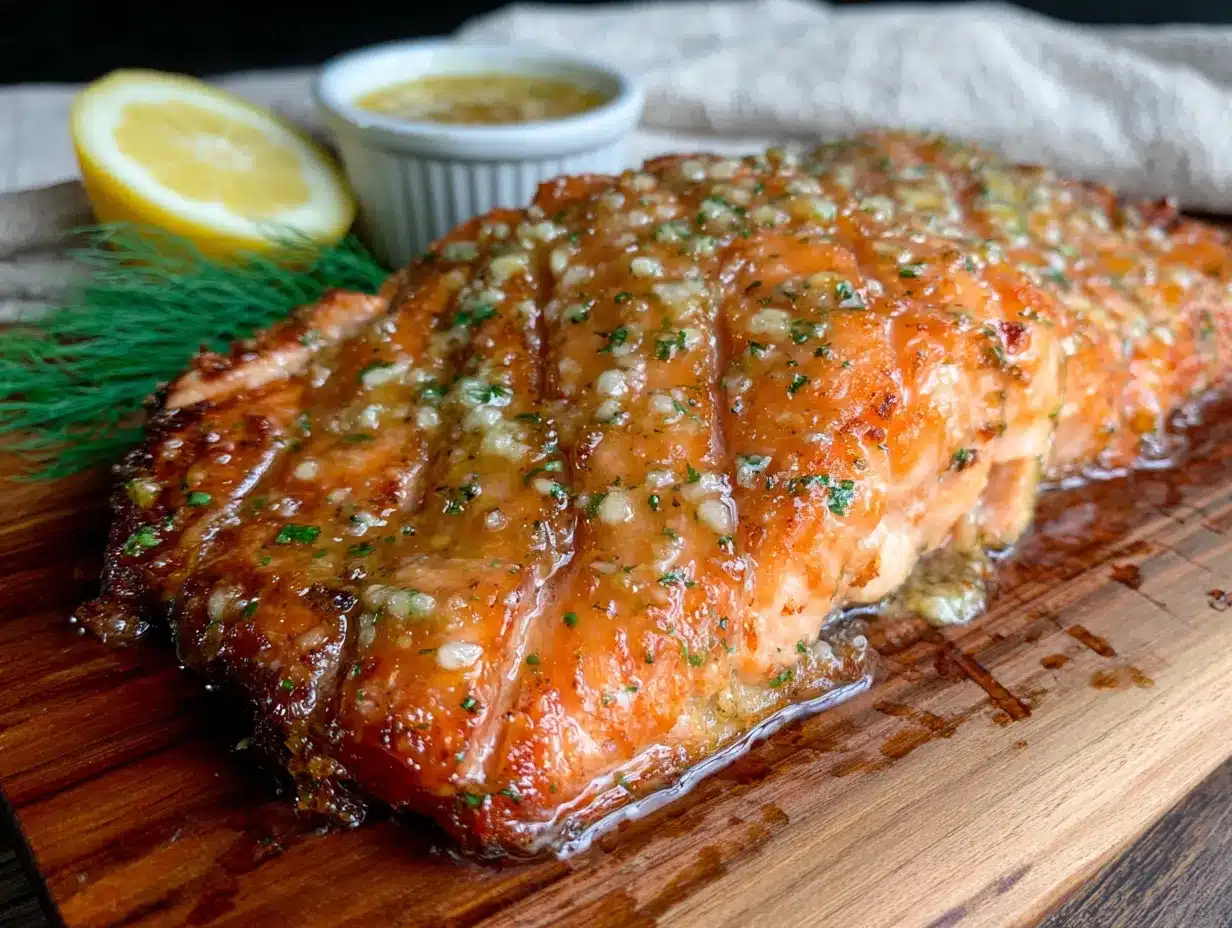
Presentation Ideas: Arrange the salmon fillets on a platter with the roasted vegetables artfully scattered around. Sprinkle with fresh dill or parsley and add lemon wedges on the side. For a spring dinner party, I like to serve it on a wooden board with extra lemon butter sauce in a small ramekin.
What to Serve With It: This dish pairs beautifully with rice pilaf, quinoa, or crusty bread to soak up the lemon butter sauce. A simple green salad with a light vinaigrette would round out the meal nicely. For wine, a crisp Sauvignon Blanc or unoaked Chardonnay is perfect.
Storage Instructions: Store leftover salmon in an airtight container in the refrigerator for up to 3 days. The vegetables will keep for about the same amount of time, though they’ll lose some of their texture. I don’t recommend freezing the cooked salmon — the texture suffers too much when thawed.
Reheating Tips: The best way to reheat is in a low oven (300°F/150°C) for about 10 minutes, covered with foil to prevent drying out. You can also reheat in a skillet with a splash of water or broth over medium-low heat. Avoid the microwave if possible — it tends to make the salmon rubbery and the vegetables mushy.
Flavor Development: The lemon butter sauce actually gets more flavorful overnight as the ingredients meld together. Leftover salmon makes an excellent lunch the next day — flake it over a salad or serve it cold with a squeeze of fresh lemon.
Nutritional Information & Benefits
This spring baked salmon with lemon butter isn’t just delicious — it’s genuinely good for you. Here’s what you’re getting in each serving (based on one fillet with vegetables and sauce):
| Nutrient | Amount Per Serving |
|---|---|
| Calories | 420 |
| Protein | 38g |
| Fat | 28g |
| Saturated Fat | 12g |
| Carbohydrates | 8g |
| Fiber | 3g |
| Sugar | 4g |
| Sodium | 680mg |
| Vitamin D | 15mcg (75% DV) |
| Omega-3 Fatty Acids | 2.5g |
Salmon is one of the best sources of omega-3 fatty acids, which support heart health and brain function. It’s also packed with high-quality protein and vitamin D, which is especially important in spring when we’re starting to get more sunlight but might still be running low from winter.
The asparagus adds fiber, folate, and vitamins A, C, and K. And the lemon provides a good dose of vitamin C to support your immune system. This is a meal that tastes indulgent but actually nourishes your body in meaningful ways.
For dietary considerations, this recipe is naturally gluten-free and low-carb. If you’re watching your sodium, reduce the salt in the butter mixture and skip the capers. And if you’re dairy-free, the vegan butter swap works well without sacrificing too much flavor.
Conclusion
This spring baked salmon with lemon butter has earned a permanent spot in my weekly rotation, and I think it deserves one in yours too. It’s the kind of recipe that makes you feel like you’ve got it all figured out — even when you’re standing in your kitchen at midnight in pajamas that have seen better days.
What I love most about this dish is how forgiving it is. You can swap vegetables based on what’s at the farmers market. You can adjust the herbs based on your mood. You can double the butter sauce because, let’s be honest, there’s no such thing as too much lemon butter. It’s a template for deliciousness that adapts to whatever spring throws at you.
I want to hear about your version. Did you add capers? Swap in thyme for dill? Serve it over a bed of arugula? Drop a comment below and tell me how it turned out — your twist might inspire someone else’s dinner tonight. And if you loved it, share this recipe with a friend who needs a little springtime inspiration in their kitchen.
Here’s to simple meals that feel special, to cooking that doesn’t feel like a chore, and to the joy of perfectly flaky salmon with bright, buttery lemon sauce. Happy spring cooking, friends.
Frequently Asked Questions
Can I use frozen salmon for this recipe?
Yes, but you’ll need to thaw it completely first. Place the frozen fillets in the refrigerator overnight, or submerge them in cold water for about 30 minutes if you’re in a hurry. Pat them very dry before adding the butter — frozen salmon tends to release more moisture as it cooks.
How do I know when the salmon is done without a thermometer?
Look for visual cues. The salmon will change from translucent to opaque, and it should flake easily when you gently press it with a fork. The internal temperature should reach 145°F, but if you don’t have a thermometer, the flake test is reliable enough for most home cooks.
Can I make the lemon butter sauce ahead of time?
Absolutely. You can make the compound butter (butter mixed with garlic, lemon, and herbs) up to 3 days in advance and keep it in the refrigerator. Let it soften at room temperature for 15 minutes before spreading on the salmon. The finishing sauce is best made fresh, but you can prep the ingredients ahead.
What if I don’t have fresh lemon?
Bottled lemon juice works in a pinch, but you’ll miss out on the bright flavor from fresh zest. If you’re using bottled juice, add an extra squeeze to compensate. And honestly, this is a good reason to always keep a lemon or two in your fruit bowl — they last for weeks in the refrigerator.
Can I grill this instead of baking?
Yes! This spring baked salmon with lemon butter translates beautifully to the grill. Preheat your grill to medium-high, place the salmon and vegetables on a sheet of heavy-duty foil (or in a grill basket), and cook for about 10-12 minutes with the lid closed. The smoky flavor adds another layer of deliciousness.
Pin This Recipe!
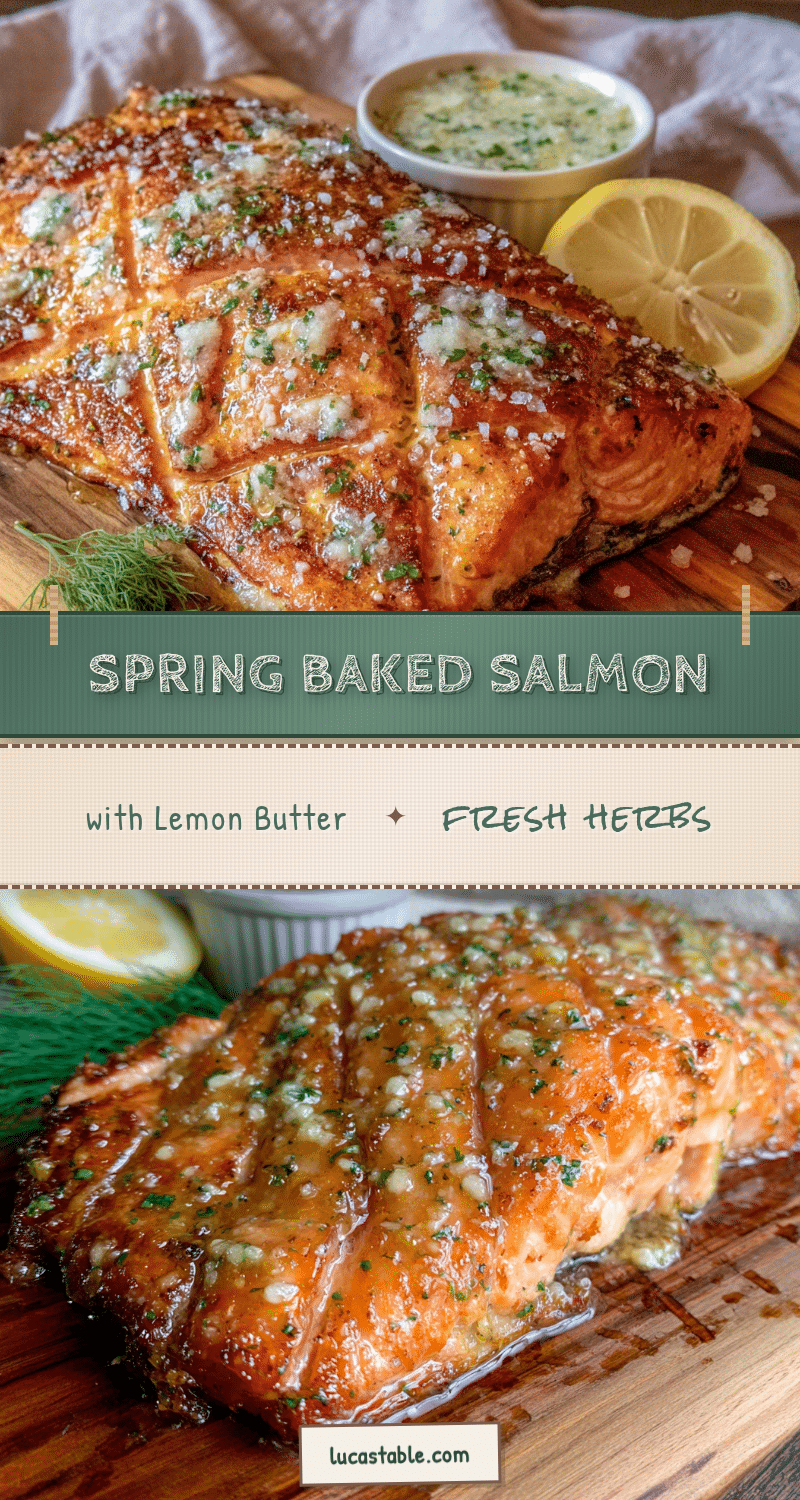
Spring Baked Salmon with Easy Lemon Butter
A simple, one-pan spring baked salmon with lemon butter that’s ready in 25 minutes. Perfect for busy weeknights or casual dinner parties, this recipe delivers restaurant-quality results with minimal effort.
- Prep Time: 10 minutes
- Cook Time: 15 minutes
- Total Time: 25 minutes
- Yield: 4 servings 1x
- Category: Main Course
- Cuisine: American
Ingredients
- 4 salmon fillets (6 ounces each, skin-on or skinless)
- 4 tablespoons unsalted butter, softened
- 2 cloves garlic, minced
- 1 tablespoon fresh lemon juice
- 1 teaspoon lemon zest
- 1 teaspoon salt
- 1/2 teaspoon black pepper, freshly ground
- 1/2 teaspoon dried dill (or 1 tablespoon fresh dill, chopped)
- 1 bunch asparagus, woody ends snapped off (about 1 pound)
- 1 cup cherry tomatoes, halved
- 2 tablespoons olive oil
- 1/2 teaspoon salt
- 1/4 teaspoon black pepper
- 2 tablespoons unsalted butter
- 1 tablespoon fresh lemon juice
- 1 teaspoon lemon zest
- 1 tablespoon capers, drained (optional)
Instructions
- Preheat your oven to 400°F (200°C). Line a sheet pan with parchment paper or foil for easy cleanup.
- Make the lemon butter compound. In a small bowl, combine 4 tablespoons softened butter, minced garlic, 1 tablespoon lemon juice, 1 teaspoon lemon zest, salt, pepper, and dill. Mix until everything is evenly incorporated. Set aside at room temperature.
- Prep the vegetables. Snap the woody ends off the asparagus. Halve the cherry tomatoes. In a medium bowl, toss the vegetables with olive oil, salt, and pepper until evenly coated.
- Arrange the vegetables on the sheet pan. Spread the asparagus and cherry tomatoes in a single layer on one side of the pan. Leave enough space for the salmon fillets.
- Prepare the salmon. Pat the salmon fillets dry with paper towels. Place the fillets skin-side down on the empty side of the sheet pan, spacing them at least an inch apart.
- Top with lemon butter. Divide the lemon butter mixture evenly among the four fillets, spreading it over the top of each piece.
- Bake for 12-15 minutes. The salmon is done when it flakes easily with a fork and the internal temperature reaches 145°F (63°C). The asparagus should be tender and the tomatoes should be starting to burst.
- Make the finishing sauce. While the salmon bakes, melt 2 tablespoons butter in a small saucepan or microwave-safe bowl. Stir in 1 tablespoon lemon juice, 1 teaspoon lemon zest, and capers if using. Keep warm until the salmon is ready.
- Rest and serve. Let the salmon rest on the pan for 2-3 minutes after removing it from the oven. Drizzle the lemon butter sauce over the top and serve immediately with the roasted vegetables.
Notes
Bring salmon to room temperature 15 minutes before cooking for even cooking. Use a thermometer to avoid overcooking. Don’t skip the lemon zest for bright flavor. Baste halfway through for a golden crust. Adjust vegetable timing if using thicker vegetables.
Nutrition
- Serving Size: 1 salmon fillet with
- Calories: 420
- Sugar: 4
- Sodium: 680
- Fat: 28
- Saturated Fat: 12
- Carbohydrates: 8
- Fiber: 3
- Protein: 38
Keywords: spring baked salmon, lemon butter salmon, sheet pan salmon, easy salmon recipe, spring dinner, one pan meal