My neighbor Jen wasn’t trying to impress anyone. I’d stopped by to borrow a ladder on a Tuesday evening, and the smell hit me before I even knocked on her screen door. Nutty, warm, almost like toasted almonds but deeper—something that made my stomach actually growl, which was embarrassing because she was just standing there in sweatpants holding a wooden spoon.
“Oh, that’s just brown butter sage pasta,” she said when I asked what smelled so incredible. “It’s nothing, really.”
Nothing? The woman had somehow turned butter and a few leaves into something that smelled like a restaurant kitchen in Tuscany. She shrugged and told me it took twenty minutes, maybe less if the water boiled fast. I stood in her doorway watching her finish it—just pasta, butter, sage, and some salty cheese—and I honestly felt a little cheated. Like, that’s it? That’s the secret?
I went home that night and made it myself. And let me tell you, I’ve probably made this easy 20-minute brown butter sage pasta at least twice a month ever since. It’s one of those recipes that feels fancy but is actually just a happy accident of chemistry—butter browning, sage crisping, pasta water bringing it all together. Maybe you’ve been there, standing in your kitchen staring at an almost-empty fridge, convinced you have nothing to make for dinner. This recipe is for those nights. It’s the reason I stopped ordering pasta at restaurants.
Why You’ll Love This Recipe
I’ve tested this recipe more times than I care to admit—burned the butter twice, oversalted the pasta water once, and even tried it with whole wheat pasta (don’t do it). What I landed on is the version I’m sharing today, and it’s the one that finally made my husband say “this is better than the restaurant version.” That’s not nothing.
- Quick & Easy: From start to table in 20 minutes flat. No chopping vegetables, no complicated sauces, no waiting for things to simmer. Just you, a pan, and dinner.
- Simple Ingredients: You probably already have butter and pasta in your kitchen. Fresh sage is the only thing you might need to grab, and it’s usually right there in the produce section for a dollar or two.
- Perfect for Weeknights: This is the definition of a weeknight win. It’s fast enough for a Tuesday but impressive enough that you could serve it to guests without apology.
- Crowd-Pleaser: I’ve made this for picky kids, vegetarian friends, and my dad who “doesn’t like fancy food.” Everyone cleans their plate.
- Unbelievably Delicious: The nutty brown butter, the crispy sage leaves, the salty Parmesan—it’s comfort food that feels elegant without trying too hard.
What makes this recipe different from other brown butter pasta recipes? It’s the timing. Most recipes tell you to brown the butter first, then cook the sage, then toss with pasta. I’ve found that starting the sage in cold butter gives you perfectly crispy leaves without burning the butter. It’s a small tweak, but it makes a huge difference. You get that deep, toasty flavor without any bitterness.
This isn’t just good pasta—it’s the kind that makes you close your eyes after the first bite. It’s weeknight cooking that feels like a treat, and honestly, isn’t that what we all need?
What Ingredients You Will Need
This recipe uses simple, mostly pantry-staple ingredients to deliver big flavor. The magic happens when humble butter transforms into something golden and nutty, and fresh sage leaves turn into crispy little flavor bombs.
- Pasta (8 ounces / 225g): I recommend a long, flat pasta like fettuccine, tagliatelle, or pappardelle. The wide surface area catches all that brown butter goodness. I personally prefer De Cecco or Barilla for consistent texture. You can use gluten-free pasta if needed—just watch the cooking time closely.
- Unsalted butter (4 tablespoons / 56g): Unsalted is important here because we’re controlling the salt ourselves. Salted butter can burn faster and makes it harder to season properly. If you only have salted, reduce the added salt by half.
- Fresh sage leaves (12-15 large leaves): Don’t use dried sage for this—it won’t crisp up and the flavor is completely different. Look for leaves that are bright green and not wilted. You can find fresh sage in the herb section of most grocery stores, usually near the rosemary and thyme.
- Parmesan cheese (1/2 cup / 50g, finely grated): Freshly grated is non-negotiable here. The pre-shredded stuff has anti-caking agents that prevent it from melting smoothly. I like to buy a small block of Parmigiano-Reggiano and grate it myself—it takes two minutes and makes a real difference.
- Salt (for pasta water): Use about 1 tablespoon of kosher salt per gallon of water. The pasta absorbs this salt, so don’t skip it.
- Black pepper (freshly ground, to taste): Freshly ground pepper adds a subtle heat that cuts through the richness of the butter.
- Reserved pasta water (about 1/2 cup / 120ml): This is the secret to a silky sauce. The starchy water helps the butter and cheese emulsify into a smooth coating instead of a greasy mess.
- Optional: Pinch of red pepper flakes: If you like a little heat, add a pinch when you add the sage. It’s not traditional, but it’s really good.
- Optional: Lemon zest (from 1/2 lemon): A little lemon zest brightens everything up. I add it about half the time, depending on my mood.
Substitution notes: For a dairy-free version, use a high-quality vegan butter (I like Miyoko’s) and nutritional yeast instead of Parmesan. The flavor won’t be exactly the same, but it’s still really good. For a gluten-free option, use your favorite gluten-free pasta—just be careful not to overcook it.
Equipment Needed
You don’t need much for this recipe, which is part of the beauty. Here’s what you’ll need:
- Large pot (5-6 quart / 5-6 liter): For boiling the pasta. Make sure it’s big enough that the pasta has room to move around.
- Large skillet or sauté pan: A 10 or 12-inch pan works best. You want enough surface area for the butter to brown evenly without crowding the sage leaves.
- Wooden spoon or silicone spatula: For stirring the butter as it browns. A metal spoon can scratch nonstick pans.
- Colander: For draining the pasta. You’ll want to reserve some pasta water first, so have a mug or measuring cup handy.
- Measuring spoons: For the butter and salt.
- Box grater or microplane: For grating the Parmesan. A microplane gives you that fluffy, fine texture that melts instantly.
- Tongs: For tossing the pasta with the sauce. Tongs make it easy to coat every strand evenly.
If you don’t have a large skillet, a saucepan will work in a pinch—just watch the butter more carefully since it can brown faster in a smaller pan. And if you don’t have a microplane, a box grater’s fine side works great. I actually used a box grater for years before I got my microplane, and the pasta was still delicious.
Preparation Method
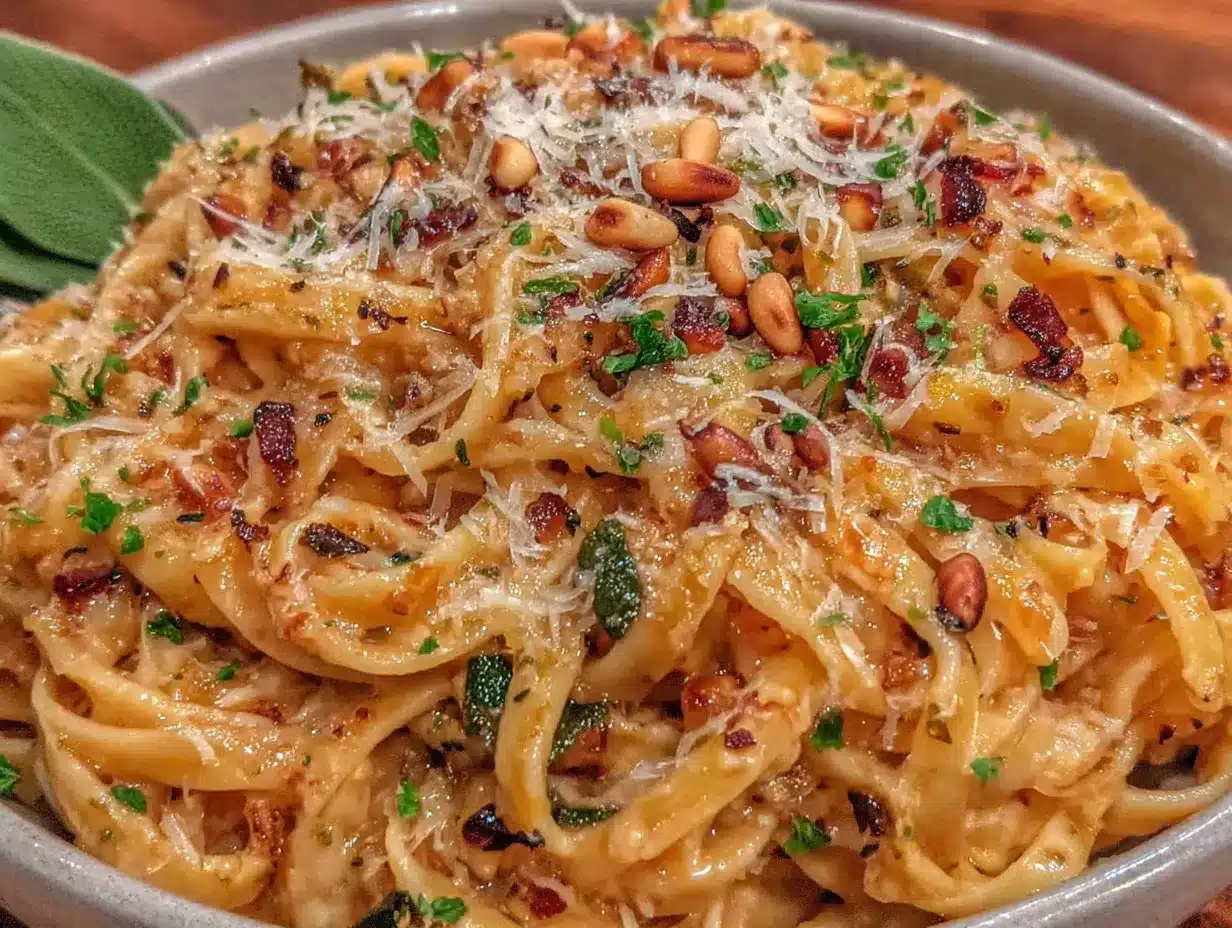
Let’s get cooking. This entire process takes about 20 minutes, and I’ve broken it down step by step so you can follow along without stress.
- Start the pasta water. Fill your large pot with water—about 4 quarts (3.8 liters) for a full pound of pasta—and bring it to a rolling boil over high heat. While you’re waiting, finely grate your Parmesan cheese and set it aside. This is also a good time to pick the sage leaves off their stems and give them a quick rinse if needed.
- Salt the water generously. Once the water is boiling, add about 1 tablespoon of kosher salt. It should taste like the sea. Don’t be shy—this is the only chance to season the pasta itself. Drop the pasta in and stir immediately to prevent sticking. Cook according to package directions until al dente, usually 8-10 minutes for dried pasta.
- Start the brown butter. While the pasta cooks, place your large skillet over medium heat. Add the 4 tablespoons of unsalted butter and let it melt completely, swirling the pan occasionally. Here’s the key: add the sage leaves right away, while the butter is still melting. This lets the sage infuse the butter as it browns, and the leaves will crisp up perfectly without burning.
- Watch the butter carefully. As the butter melts, it will start to foam. This is normal—don’t panic. Swirl the pan gently and watch for the color to change from pale yellow to a warm golden, then to a deeper amber. You’ll start to smell a nutty, toasty aroma. This whole process takes about 3-4 minutes from when the butter melts. The sage leaves will darken and become crispy—when they look like dark green lace, they’re done.
- Remove from heat immediately. The second the butter reaches that deep amber color and smells nutty, take the pan off the heat. Butter can go from perfectly browned to burnt in about 15 seconds, so don’t walk away. If you see any black specks, you’ve gone too far—start over. It happens to everyone at least once.
- Reserve pasta water. Just before the pasta is done, scoop out about 1/2 cup (120ml) of the starchy pasta water with a mug or measuring cup. Set it aside.
- Drain the pasta. Drain the cooked pasta in your colander, but don’t rinse it. You want that starch on the surface—it helps the sauce stick.
- Combine everything. Add the drained pasta directly to the skillet with the brown butter and sage. Turn the heat to low. Add about 1/4 cup (60ml) of the reserved pasta water and toss everything together with tongs. The water will help create a silky sauce that coats every strand.
- Add the cheese. Sprinkle in the grated Parmesan and toss again. The cheese will melt into the butter and water mixture, creating a creamy sauce. If it seems too thick, add a splash more pasta water. If it seems too thin, let it cook for another 30 seconds while tossing.
- Finish and serve. Taste the pasta and add freshly ground black pepper to your liking. You probably won’t need extra salt because the pasta water and Parmesan are already salty, but trust your taste buds. Divide into bowls and top with the crispy sage leaves from the pan. Serve immediately—this pasta waits for no one.
Pro tip: If you’re making this for more than two people, cook the pasta in batches or use two pans for the butter. Crowding the pan makes the butter steam instead of brown, and you’ll lose that nutty flavor.
Cooking Tips & Techniques
I’ve made this easy 20-minute brown butter sage pasta more times than I can count, and I’ve definitely learned a few things the hard way. Here are the tips that actually matter:
The cold butter trick. I used to brown butter by melting it slowly over low heat, but I found that starting with cold butter and medium heat gives you more control. The butter melts evenly and you can see the color change more clearly. Plus, adding the sage to cold butter means the leaves crisp up gradually instead of burning immediately.
Don’t walk away from the butter. I cannot stress this enough. The first time I made this, I turned my back to check on the pasta and my butter went from golden to black in what felt like seconds. Now I stand right there, swirling the pan, watching the color like a hawk. It’s meditative, honestly—just you and the butter and that amazing smell.
Use the right pan color. A light-colored skillet makes it much easier to see when the butter has reached that perfect amber color. If you’re using a dark nonstick pan, you might need to rely more on smell—when it smells like toasted nuts, it’s ready.
Reserve more water than you think you need. I always save a full cup of pasta water even though I usually only use half. Sometimes the pasta absorbs more liquid than expected, and having extra water means you can adjust the sauce consistency without stress. Leftover pasta water is also great for thinning out leftover sauce the next day.
Grate your cheese finely. Big shreds of Parmesan won’t melt smoothly into the sauce. You want the cheese to be almost powdery—that’s what creates that creamy, luxurious texture without any clumps. A microplane is perfect for this, but the fine side of a box grater works too.
Timing is everything. The pasta and the butter should finish at roughly the same time. If your pasta is done before the butter, drain it and toss it with a tiny bit of olive oil to prevent sticking. If your butter is done before the pasta, take it off the heat—the residual heat in the pan will keep it warm without burning it.
Variations & Adaptations
One of the best things about this recipe is how easy it is to adapt. Here are some variations I’ve tried and loved:
Add protein. I’ve added grilled chicken, pan-seared shrimp, and even crispy bacon to this pasta. For the chicken, just season and cook it while the pasta boils, then slice and toss it in at the end. For shrimp, cook them in a separate pan with a little butter and garlic—they take about 3 minutes per side.
Make it vegetarian with mushrooms. Slice 8 ounces (225g) of cremini or shiitake mushrooms and sauté them in a little olive oil until golden brown. Add them to the pasta along with the brown butter. The earthy mushrooms are a perfect match for the sage and nutty butter.
Go vegan. Use a good quality vegan butter (I’ve had success with Miyoko’s and Country Crock Plant Butter) and nutritional yeast instead of Parmesan. The flavor is different but still really satisfying. Add a squeeze of lemon at the end to brighten things up.
Add vegetables. Toss in a handful of baby spinach or arugula right at the end—it will wilt from the heat of the pasta. Or add some roasted butternut squash cubes for a fall-inspired version. I made this last November with roasted squash and it was incredible.
Spice it up. Add a pinch of red pepper flakes along with the sage for a little heat. Or try a sprinkle of nutmeg—it sounds weird, but nutmeg and sage are actually a classic pairing. Just a tiny pinch is enough.
Different pasta shapes. While I love long pasta for this recipe, it also works great with short shapes like orecchiette, fusilli, or even gnocchi. The little nooks and crannies catch the brown butter sauce perfectly.
Serving & Storage Suggestions
This pasta is best served immediately, while it’s hot and the sauce is silky. But here’s how to make the most of it:
Serving temperature: Serve this pasta piping hot. The brown butter sauce thickens as it cools, so you want it right off the stove. Divide into warmed bowls if you want to be fancy, but honestly, I just serve it straight from the pan.
Presentation: Use tongs to twirl the pasta into neat nests in each bowl. Top with the crispy sage leaves—they’re not just garnish, they’re the best part. Add a final dusting of grated Parmesan and a crack of black pepper. If you have fresh parsley or chives, a sprinkle of those looks pretty too.
What to serve with it: A simple green salad with lemon vinaigrette is perfect—the acidity cuts through the richness of the butter. Garlic bread is also amazing for sopping up any leftover sauce. For wine, a crisp Pinot Grigio or a light Chianti works beautifully.
Storage: If you have leftovers (unlikely, but possible), store them in an airtight container in the refrigerator for up to 3 days. The pasta will absorb some of the sauce, so it won’t be as silky the next day, but it’s still tasty.
Reheating: The best way to reheat is in a skillet over medium-low heat with a splash of water or milk. Toss gently until warmed through. The microwave works in a pinch, but it can make the pasta rubbery. If using the microwave, add a tablespoon of water and cover with a damp paper towel.
Freezing: I don’t recommend freezing this pasta—the sauce doesn’t hold up well. But you can freeze the brown butter and sage separately! Make a double batch of the butter, let it cool, and freeze it in an ice cube tray. Pop out a cube whenever you need a quick sauce.
Nutritional Information & Benefits
Here’s the approximate nutritional breakdown for one serving (based on 4 servings per recipe):
| Nutrient | Amount per Serving |
|---|---|
| Calories | 420 |
| Total Fat | 18g |
| Saturated Fat | 11g |
| Cholesterol | 45mg |
| Sodium | 520mg |
| Total Carbohydrates | 52g |
| Dietary Fiber | 3g |
| Sugars | 2g |
| Protein | 14g |
Health benefits: Believe it or not, this pasta has some redeeming qualities. Sage is packed with antioxidants and has anti-inflammatory properties. It’s also been used traditionally to aid digestion—which is handy after a big bowl of pasta. Butter contains vitamin A and butyrate, a fatty acid that supports gut health. And Parmesan is a good source of calcium and protein. Is this a health food? No. But it’s not as bad as you might think.
Dietary considerations: This recipe is vegetarian. For gluten-free, use gluten-free pasta. For dairy-free, use vegan butter and nutritional yeast. It’s not low-carb, but you could try it with zucchini noodles or spaghetti squash—just be aware that the texture will be different.
Allergens: This recipe contains dairy (butter, Parmesan) and gluten (pasta). It’s free of nuts, eggs, and soy.
Conclusion
This easy 20-minute brown butter sage pasta has become my go-to for those nights when I need dinner on the table fast but I still want something that feels special. It’s the recipe I make when I’m tired, when I’m stressed, when I just need a bowl of something warm and comforting that doesn’t require a trip to the grocery store or an hour of chopping.
I love that it’s simple enough for a Tuesday but impressive enough that people think you tried really hard. I love that the ingredients are things I usually have on hand. And I really love that first bite—when the nutty butter hits your tongue and the crispy sage crunches between your teeth and you realize that something this easy can taste this good.
Try it this week. Add your own twist—some lemon zest, a pinch of red pepper, maybe some mushrooms if you’re feeling ambitious. And when you make it, drop a comment below and let me know how it turned out. Did you burn the butter on your first try? Me too. It’s a rite of passage.
Happy cooking, friends. You’ve got this.
Frequently Asked Questions
Can I use dried sage instead of fresh?
I really don’t recommend it. Dried sage has a much more concentrated, almost medicinal flavor, and it won’t crisp up the way fresh sage does. The crispy fried sage leaves are one of the best parts of this dish. If you absolutely have to use dried, use about 1 teaspoon and add it to the butter during the last 30 seconds of browning—but honestly, fresh sage is worth the trip to the store.
What if I don’t have unsalted butter?
You can use salted butter, but you’ll need to adjust the salt. Reduce or skip the salt in the pasta water, and taste the finished dish before adding any extra salt. Salted butter also tends to brown a little faster because of the milk solids, so keep a closer eye on it.
Why did my butter burn?
It happens to the best of us. Butter burns when the milk solids get too hot and turn black. The most common reasons are: the heat was too high, you walked away from the pan, or you used a pan that was too small. Next time, use medium heat, stay right there, and take the pan off the heat as soon as the butter turns amber. If you see black specks, start over—burnt butter tastes bitter and will ruin the dish.
Can I make this ahead of time?
This is really a “serve immediately” kind of dish. The sauce thickens as it sits, and the pasta absorbs the liquid, so it won’t be as good reheated. That said, you can prep ahead by grating the cheese and picking the sage leaves. You can also make the brown butter and sage up to a day ahead and store it in the fridge—just reheat it gently before tossing with the pasta.
What pasta shape works best?
I prefer long, flat pasta like fettuccine, tagliatelle, or pappardelle because the wide surface area catches the sauce beautifully. But honestly, any pasta shape works. I’ve made this with orecchiette, penne, and even spaghetti, and it was delicious every time. Just adjust the cooking time according to the package directions.
Pin This Recipe!
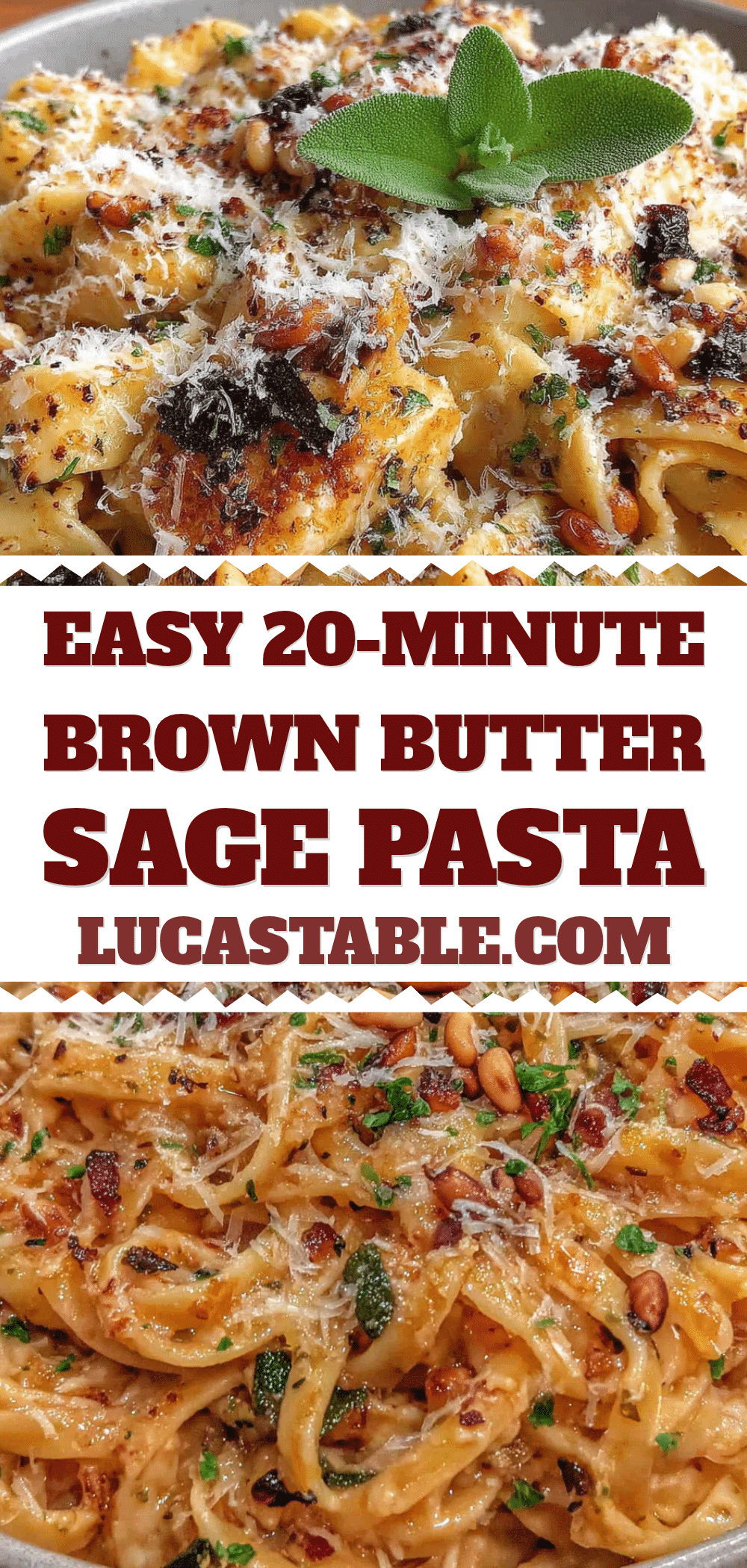
Easy 20-Minute Brown Butter Sage Pasta
A quick and easy weeknight pasta dish featuring nutty brown butter, crispy sage leaves, and salty Parmesan. Ready in just 20 minutes with simple ingredients.
- Prep Time: 5 minutes
- Cook Time: 15 minutes
- Total Time: 20 minutes
- Yield: 4 servings 1x
- Category: Main Course
- Cuisine: Italian
Ingredients
- 8 ounces (225g) pasta (fettuccine, tagliatelle, or pappardelle)
- 4 tablespoons (56g) unsalted butter
- 12–15 large fresh sage leaves
- 1/2 cup (50g) finely grated Parmesan cheese
- 1 tablespoon kosher salt (for pasta water)
- Freshly ground black pepper, to taste
- 1/2 cup (120ml) reserved pasta water
- Optional: pinch of red pepper flakes
- Optional: lemon zest from 1/2 lemon
Instructions
- Fill a large pot with about 4 quarts (3.8 liters) of water and bring to a rolling boil over high heat. While waiting, finely grate the Parmesan and pick the sage leaves from their stems.
- Once boiling, add 1 tablespoon of kosher salt. Add the pasta and stir immediately. Cook according to package directions until al dente (usually 8-10 minutes).
- While pasta cooks, place a large skillet over medium heat. Add the unsalted butter and let it melt completely, swirling occasionally. Add the sage leaves right away as the butter melts.
- Watch the butter carefully as it foams and changes color from pale yellow to warm golden to deep amber. The sage leaves will darken and become crispy. This takes about 3-4 minutes from when the butter melts.
- Remove the skillet from heat immediately when the butter reaches a deep amber color and smells nutty. Do not let it burn.
- Just before the pasta is done, reserve about 1/2 cup (120ml) of the starchy pasta water.
- Drain the pasta in a colander (do not rinse).
- Add the drained pasta directly to the skillet with the brown butter and sage. Turn heat to low. Add about 1/4 cup (60ml) of the reserved pasta water and toss with tongs.
- Sprinkle in the grated Parmesan and toss again. If the sauce is too thick, add more pasta water; if too thin, cook for another 30 seconds while tossing.
- Taste and add freshly ground black pepper. Divide into bowls and top with the crispy sage leaves. Serve immediately.
Notes
Start the sage in cold butter for perfectly crispy leaves without burning. Use a light-colored skillet to better see the butter color change. Reserve more pasta water than you think you need. Serve immediately for best texture.
Nutrition
- Serving Size: 1 serving
- Calories: 420
- Sugar: 2
- Sodium: 520
- Fat: 18
- Saturated Fat: 11
- Carbohydrates: 52
- Fiber: 3
- Protein: 14
Keywords: brown butter sage pasta, easy pasta recipe, 20-minute pasta, weeknight dinner, vegetarian pasta