I wasn’t supposed to be in her kitchen that Tuesday. I’d stopped by to borrow a garden rake—something about the way the sunlight was hitting my overgrown patch of mint made me finally commit to actually doing something about it—and the smell hit me before I even got through the screen door. It was bright and sharp, like someone had bottled up the first warm day after a long rain. My neighbor Carol didn’t even look up from the counter. “Grab a fork if you want,” she said, gesturing with her chin toward a baking dish that was sitting on the stovetop, still sizzling.
Now, Carol is not a fancy cook. She’ll tell you that herself, usually while waving a spatula around for emphasis. Her kitchen is full of mismatched bowls and a garlic press that’s older than I am. But that chicken—honestly, I stood there eating it straight from the dish, burning my tongue, not caring one bit. The lemon had caramelized around the edges of the meat, and the garlic had melted into this buttery, fragrant sauce that pooled at the bottom. She shrugged when I asked what she did. “Chicken. Lemon. Garlic. Oven.” That was it. No drama, no fuss, no secret ingredient.
I think that’s why this spring lemon garlic baked chicken breast has become my go-to for those evenings when I want something that tastes like I actually tried, but I’m really just hoping to be done in under an hour. It’s the kind of recipe that makes you look like you’ve got your life together, even if you forgot to defrost anything and you’re basically winging it. And honestly? That’s the best kind of recipe to have in your back pocket. Let me tell you how it works—you’re going to want this one.
Why You’ll Love This Recipe
I’ve tested this spring lemon garlic baked chicken breast about seven times since that afternoon at Carol’s house, tweaking little things here and there. What I landed on is the version I actually make on repeat—not because it’s perfect on paper, but because it works every single time, even when I’m distracted or rushing. Here’s why I think you’ll feel the same way:
- Ready in 30 Minutes: From fridge to table in under half an hour. This is not a “spend all afternoon in the kitchen” situation. It’s a “I need dinner done before I lose my mind” situation, and it delivers.
- Pantry-Friendly Ingredients: You probably already have lemons, garlic, olive oil, and chicken breast. Maybe not the fresh thyme, but that’s a nice-to-have, not a dealbreaker. No specialty grocery runs required.
- Perfect for Spring Evenings: This is the dish you make on the first night it’s warm enough to eat with the windows open. It’s light enough to not weigh you down but satisfying enough to feel like a real meal.
- Actually Foolproof: I’ve made this with chicken breasts of all sizes, in different ovens, even slightly overbaked it once (we’ll talk about timing later)—and it still came out juicy. That’s not luck. That’s the lemon and garlic doing the heavy lifting.
- Crowd-Pleaser Without the Stress: The first time I made it for guests, I was nervous it was too simple. But everyone asked for the recipe. Kids ate it. Adults went back for seconds. It’s one of those rare dishes that pleases picky eaters and food snobs alike.
What makes this version different from the hundreds of lemon chicken recipes out there? It’s the balance. Most versions are either too tangy or too oily, or they dry out the chicken while you’re waiting for the garlic to soften. This one uses a simple trick—pounding the chicken to an even thickness—so everything cooks at the same speed. The lemon zest goes in with the marinade, not just as a garnish, which means the flavor actually gets into the meat. And the garlic? We use a lot of it. Not overpowering, but enough that you know it’s there. It’s comfort food reimagined for the season—lighter, brighter, but with the same soul-soothing satisfaction.
What Ingredients You Will Need
This spring lemon garlic baked chicken breast relies on simple, fresh ingredients that work together to create something that tastes far more complex than it is. Most of these are things you probably already have on hand, especially if you cook regularly. Let me walk you through each one and why it matters.
- Boneless, Skinless Chicken Breasts (4 pieces, about 6 ounces each): Look for breasts that are roughly the same size so they cook evenly. If they’re on the thicker side, don’t worry—we’re going to pound them flat. I prefer buying organic when I can, but honestly, any good-quality chicken works here. If your breasts are huge (like those 10-ounce monsters), just slice them in half horizontally to get two thinner pieces.
- Fresh Lemons (2 large): You’ll use both the zest and the juice, so make sure they’re unwaxed if possible. One lemon goes into the marinade, and the other gets sliced thin to lay on top of the chicken while it bakes. That extra layer of lemon on top is what creates those beautiful caramelized edges. Room temperature lemons yield more juice—pop them in the microwave for 10 seconds if they’re cold.
- Garlic (6 cloves, minced): I know that sounds like a lot, but trust me on this. Baking mellows out the sharpness, and you’re left with this sweet, nutty flavor that’s completely different from raw garlic. Use fresh cloves, not the pre-minced stuff in a jar. The texture and flavor are noticeably better. I’ve tried it both ways, and the jarred garlic tends to burn more easily in the oven.
- Extra Virgin Olive Oil (3 tablespoons): This is your cooking fat and your flavor carrier. A good-quality olive oil makes a difference here since it’s one of the main ingredients. Don’t use the fancy finishing oil—save that for salads. Just a reliable everyday olive oil that you like the taste of.
- Fresh Thyme (6 sprigs): Thyme and lemon are a classic pairing for a reason. The tiny leaves add a subtle earthy, almost floral note that keeps the dish from feeling one-dimensional. If you don’t have fresh, dried thyme works in a pinch—use about 1 teaspoon. But honestly, fresh is worth grabbing if you can. It’s cheap and it lasts in the fridge for weeks.
- Dried Oregano (1 teaspoon): This adds a little warmth and depth. It’s not the star of the show, but you’d notice if it were missing. I like Mediterranean oregano for this—it’s a bit more aromatic than the Mexican variety.
- Salt and Black Pepper (to taste): Don’t be shy with the salt. Chicken breast needs a generous seasoning to taste its best. I use kosher salt because it’s easier to control with your fingers. Freshly cracked black pepper adds a little bite that contrasts nicely with the lemon.
- Chicken Broth (¼ cup): This goes into the bottom of the baking dish and creates a little steam while the chicken cooks, keeping everything moist. It also mingles with the lemon juice and olive oil to form a simple pan sauce. Low-sodium is best so you can control the salt level.
- Optional Garnishes: Fresh parsley (chopped), lemon wedges, and flaky sea salt for finishing. These aren’t essential, but they make the dish look restaurant-quality with almost zero effort.
Equipment Needed
You don’t need a fancy kitchen to make this spring lemon garlic baked chicken breast. In fact, I’ve made it in three different kitchens now, including one where the oven door didn’t close properly. Here’s what you’ll actually need:
- Baking Dish (9×13 inches or similar): Glass, ceramic, or metal all work fine. I prefer glass because you can see the sauce bubbling around the edges, which is oddly satisfying. If you’re using metal, just keep in mind it conducts heat differently—your chicken might cook a few minutes faster.
- Plastic Wrap or Parchment Paper: For pounding the chicken. You’ll lay a piece over the chicken breast before you start whacking it with a rolling pin. This prevents splattering and keeps things hygienic.
- Rolling Pin or Meat Mallet: To pound the chicken to an even thickness. No mallet? A heavy skillet works too. I’ve even used a wine bottle in a pinch. Just wrap it in plastic wrap first.
- Chef’s Knife and Cutting Board: For mincing garlic and zesting lemons. A microplane or fine grater is ideal for the zest, but you can also use the small side of a box grater.
- Small Bowl: For mixing the marinade. Nothing fancy—any bowl you’d eat cereal out of will do.
- Tongs: For flipping the chicken and transferring it to the baking dish. Much easier than trying to use a fork, which tends to pierce the meat and let juices escape.
- Instant-Read Thermometer (optional but recommended): This takes the guesswork out of knowing when your chicken is done. They’re cheap and they save you from cutting into the meat to check. Target internal temperature is 165°F.
Budget-friendly tip: If you don’t have a meat mallet, just use the bottom of a heavy saucepan. And if you don’t have a microplane, you can peel the lemon zest off with a vegetable peeler and then chop it very fine. It’s not quite the same, but it works.
Preparation Method
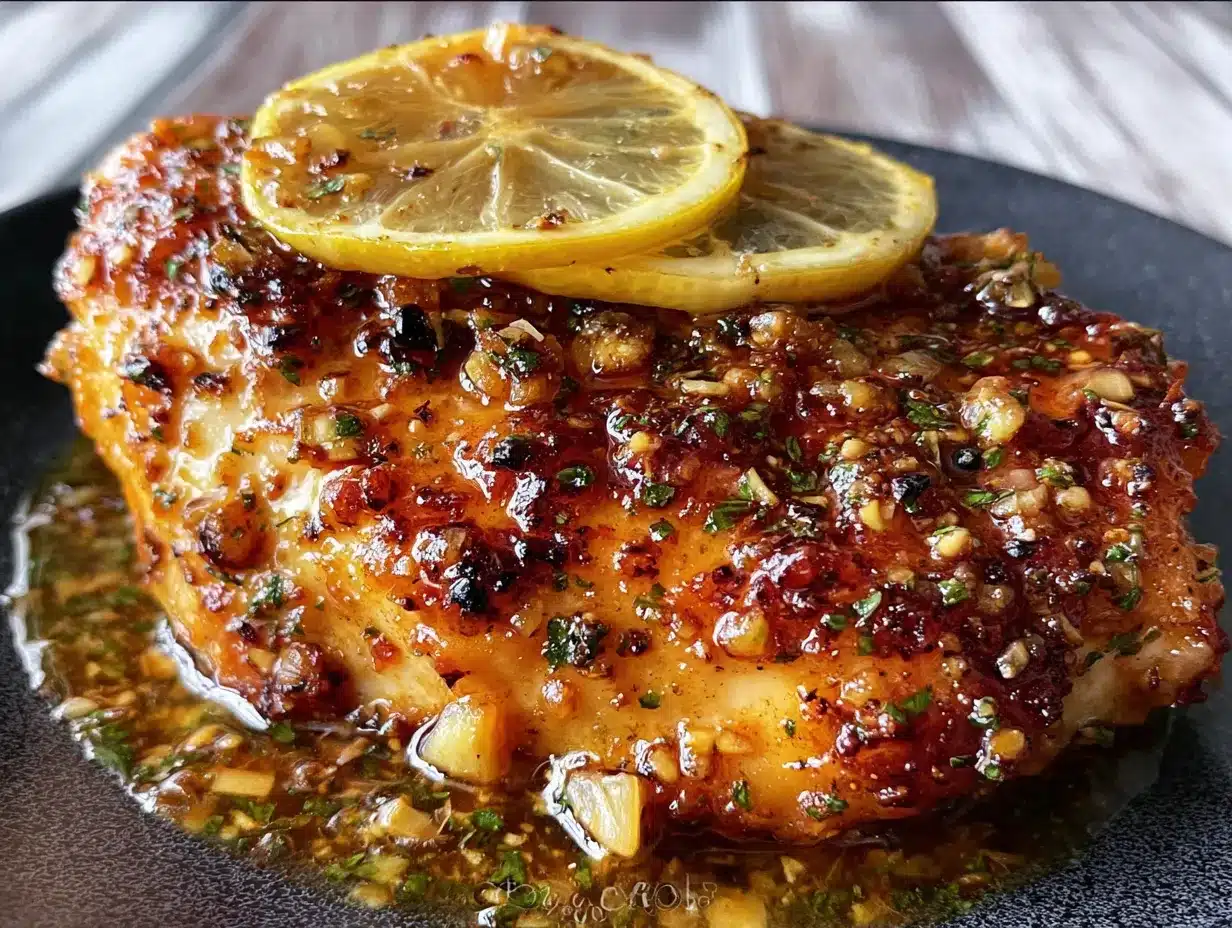
Let’s get cooking. This spring lemon garlic baked chicken breast comes together quickly, but there are a few steps that make the difference between “pretty good” and “I can’t believe I made this.” I’ll walk you through each one, including what to look for and what to avoid.
- Preheat your oven to 400°F (200°C). Give it a full 15 minutes to come to temperature. A hot oven is key here—it sears the outside of the chicken quickly, locking in moisture. While the oven heats, get your chicken ready.
- Pound the chicken breasts to even thickness. Place one chicken breast between two sheets of plastic wrap or parchment paper. Using the flat side of a meat mallet or a rolling pin, gently pound until the breast is about ½-inch thick all over. Start from the center and work outward. Don’t go full Hulk on it—you want it even, not obliterated. Repeat with all four breasts. This step is non-negotiable, by the way. Uneven chicken means some parts will be dry while others are undercooked. I learned this the hard way when I skipped it once and ended up with a sad, dry hockey puck on one end.
- Season the chicken generously. Pat the chicken dry with paper towels first—this helps the seasoning stick and promotes browning. Sprinkle both sides with salt and black pepper. Don’t skimp here. I use about ½ teaspoon of salt per breast, distributed evenly.
- Make the marinade. In a small bowl, combine the zest of 1 lemon, the juice of 1 lemon (about 2 tablespoons), 3 tablespoons olive oil, the minced garlic, 1 teaspoon dried oregano, and the leaves from 4 sprigs of fresh thyme. Whisk it together with a fork. It should smell bright and punchy. If it doesn’t, your lemons might not be very flavorful—add a pinch more zest.
- Marinate the chicken. Place the pounded chicken breasts in a shallow dish or a zip-top bag. Pour the marinade over them, turning to coat each piece. Let it sit at room temperature for 15 minutes while the oven finishes preheating. Don’t go longer than 30 minutes—the acid in the lemon can start to “cook” the chicken (like ceviche) and make the texture mealy. I’ve made this mistake before, and it’s not pleasant.
- Prepare the baking dish. Pour ¼ cup of chicken broth into the bottom of your baking dish. This creates steam and prevents sticking. Arrange the marinated chicken breasts in a single layer, leaving a little space between each piece. Don’t crowd them—if they’re touching, they’ll steam instead of roast.
- Add the lemon slices and thyme. Slice the remaining lemon into thin rounds (about ¼-inch thick). Place 2-3 slices on top of each chicken breast. Tuck the remaining 2 sprigs of thyme into the broth around the chicken. The lemon slices will caramelize and soften as they bake, infusing the meat with even more flavor.
- Bake for 18-22 minutes. The exact time depends on the thickness of your chicken and your oven. At 18 minutes, start checking. The chicken is done when it reaches an internal temperature of 165°F (74°C) at the thickest part. If you don’t have a thermometer, cut into the thickest piece—the juices should run clear, and there should be no pink in the center. The lemon slices on top should be slightly browned and shrunken around the edges.
- Rest before serving. Remove the baking dish from the oven and let the chicken rest for 5 minutes. This is crucial—it allows the juices to redistribute throughout the meat. If you cut into it right away, all those lovely juices will spill out onto the cutting board, and you’ll end up with dry chicken. I know it’s hard to wait, but trust me. Use those 5 minutes to chop some parsley and set the table.
- Spoon the pan sauce over the chicken. Before serving, tilt the baking dish and spoon the accumulated juices and melted garlic over each breast. This is the good stuff—all the flavor that dripped off during cooking. Don’t leave it behind.
Cooking Tips & Techniques
Over the course of testing this spring lemon garlic baked chicken breast, I’ve collected a few hard-won lessons. Let me save you some trouble.
Don’t skip the pounding step. I know it’s an extra thing to do, and your cutting board might slide around, and you have to wash another piece of plastic wrap. But uneven chicken breasts are the number one reason people end up with dry chicken. The thin parts cook too fast and dry out while you’re waiting for the thick parts to catch up. Pounding solves this completely. Plus, thinner chicken cooks faster—we’re talking 18 minutes instead of 30. That’s a win.
Watch your marinating time. The lemon juice in the marinade is acidic, which means it starts breaking down the protein fibers in the chicken. A little bit of this is good—it tenderizes the meat. Too much, and the texture turns soft and almost mushy. I’ve left chicken marinating for an hour before, and the result was… not great. The surface looked almost cooked, and the texture was off. Stick to 15-30 minutes, and you’ll be fine.
Use a thermometer. I resisted buying an instant-read thermometer for years because I thought I could tell by looking. I was wrong. Chicken breast is unforgiving—it goes from perfectly juicy to dry in about 90 seconds. A $10 thermometer removes all the guesswork. Insert it into the thickest part of the breast, and pull the chicken out at 160°F. It will carry over to 165°F while it rests. If you wait until it reads 165°F in the oven, it’ll be overcooked by the time you serve it.
One mistake I still make sometimes: I forget to check the lemon slices for seeds. There’s nothing worse than biting into a piece of chicken and getting a lemon seed. Take two seconds to remove any visible seeds from the lemon slices before you lay them on top. Your future self will thank you.
Multitasking strategy: While the chicken marinates, wash your cutting board and knife, chop the parsley, and set the table. The actual hands-on cooking time is only about 10 minutes, but the clean-as-you-go approach makes the whole experience feel effortless. When the chicken comes out of the oven, all you have to do is eat.
Variations & Adaptations
One of the things I love about this spring lemon garlic baked chicken breast is how flexible it is. Here are some ways I’ve adapted it depending on what I have on hand or who I’m cooking for.
Herb Swap: Not a fan of thyme? Rosemary works beautifully here—use 2 teaspoons of fresh chopped rosemary instead. The flavor is more piney and bold, but it pairs just as well with lemon and garlic. Dill is another option if you want something lighter and more spring-like. I made it with dill once when I had a bunch left over from another recipe, and it was surprisingly good.
Dairy-Free Cream Sauce: If you want to turn the pan juices into something richer, remove the chicken after baking and whisk in ¼ cup of full-fat coconut milk (the canned kind) over medium heat on the stovetop. Simmer for 2 minutes until thickened, then pour it over the chicken. It adds a subtle sweetness that complements the lemon beautifully. My dairy-free friend asked for this version specifically after I made it for a dinner party.
Spicy Kick: Add ½ teaspoon of red pepper flakes to the marinade, or tuck a sliced serrano pepper into the baking dish alongside the chicken. The heat cuts through the richness and makes the lemon flavor pop even more. I did this on a whim one night and now it’s my preferred version when I’m cooking just for myself.
Vegetable Add-In: Toss asparagus spears or halved cherry tomatoes into the baking dish around the chicken during the last 10 minutes of cooking. They’ll roast in the lemony pan juices and become a built-in side dish. I’ve also done this with green beans and zucchini—just cut them into similar-sized pieces so they cook evenly.
Thigh Swap: Bone-in, skin-on chicken thighs are a great alternative if you prefer dark meat. Increase the cooking time to 35-40 minutes, and start checking at 30. The skin gets beautifully crispy, and the meat stays incredibly moist. You’ll want to use a bit more salt since thighs are thicker and need more seasoning.
Serving & Storage Suggestions
This spring lemon garlic baked chicken breast is versatile enough to pair with almost anything, but here are my favorite ways to serve it and keep it for later.
Serving Temperature and Presentation: Serve the chicken hot, straight from the oven, with the pan sauce spooned over the top. Arrange the lemon slices alongside or on top—they’re edible and delicious, especially the caramelized edges. A sprinkle of fresh parsley and a pinch of flaky sea salt right before serving adds a pop of color and a final burst of flavor. I like to serve it on a large platter family-style, with the roasted vegetables (if you added them) scattered around.
What to Serve With It: This chicken loves carbs that can soak up the pan sauce. Mashed potatoes are my go-to—the creamy texture against the bright lemon sauce is perfect. Rice pilaf or crusty bread are also excellent choices. For a lighter option, serve it over a bed of arugula dressed with a simple lemon vinaigrette. The warm chicken wilts the greens slightly, and the extra lemon ties everything together. A simple green salad on the side never hurts either.
Storage Instructions: Leftover chicken keeps in an airtight container in the refrigerator for up to 4 days. Store it with the pan sauce poured over it to keep it moist. I don’t recommend freezing this dish—the texture of the chicken changes after thawing, and the lemon flavor can become a bit harsh. If you must freeze it, do so for no more than 1 month, and reheat gently.
Reheating Methods: The best way to reheat is in a covered skillet over low heat, with a splash of chicken broth or water to revive the sauce. Microwave works in a pinch, but it tends to dry out the chicken—cover it with a damp paper towel and heat in 30-second bursts. The oven is also an option: place the chicken in a baking dish with a little broth, cover with foil, and warm at 325°F for about 10 minutes.
How Flavors Develop Over Time: This is one of those rare dishes that actually tastes better the next day. The garlic and lemon flavors meld together overnight, and the chicken soaks up even more of the sauce. I’ve made it specifically for meal prep lunches—it reheats beautifully and stays moist. Just don’t expect the lemon slices to look pretty after refrigeration; they’ll be soft and a bit mushy, but they still taste great.
Nutritional Information & Benefits
This spring lemon garlic baked chicken breast is not just delicious—it’s also a solid choice if you’re keeping an eye on what you eat. Here’s the breakdown for one serving (one chicken breast with sauce, no sides):
| Nutrient | Amount per Serving |
|---|---|
| Calories | 285 |
| Protein | 38g |
| Fat | 12g |
| Saturated Fat | 2g |
| Carbohydrates | 4g |
| Fiber | 1g |
| Sugar | 1g |
| Sodium | 480mg |
Health Benefits: Chicken breast is a lean protein source that’s great for muscle repair and keeping you full without a lot of calories. Lemon provides a healthy dose of vitamin C, which supports your immune system—especially welcome in the spring when seasonal allergies are acting up. Garlic is known for its anti-inflammatory properties and may help with heart health. Olive oil adds healthy monounsaturated fats that are good for your cholesterol levels. This dish is naturally low in carbs and sugar, making it suitable for low-carb and keto diets. It’s also gluten-free and dairy-free as written.
Dietary Considerations: This recipe is naturally gluten-free, dairy-free, and nut-free. If you’re watching your sodium, use low-sodium chicken broth and go easy on the salt during seasoning. The lemon and garlic provide plenty of flavor even with less salt. As always, check your specific dietary needs and adjust accordingly.
Conclusion
This spring lemon garlic baked chicken breast has become one of those recipes I turn to again and again, and I think it will for you too. It’s simple enough for a Tuesday night when you’re tired and uninspired, but impressive enough to serve to guests who don’t need to know it took you 30 minutes. The bright lemon, the mellow garlic, the juicy chicken—it all comes together in a way that feels bigger than the sum of its parts.
What I love most about this recipe is how forgiving it is. You can swap the herbs, add vegetables, adjust the seasoning—it’s hard to mess up. And that’s the kind of recipe worth keeping close. So go ahead, make it your own. Throw in some extra garlic if you’re feeling bold. Add a pinch of red pepper flakes for heat. Serve it over whatever carb makes you happy. The framework is solid, and you can’t go wrong.
I’d love to hear how yours turns out. Did you make any substitutions? Did you serve it with something unexpected? Drop a comment below and let me know—I read every single one, and I genuinely love hearing about your kitchen adventures. And if you snap a photo, tag me on Pinterest. There’s nothing better than seeing this dish come to life in someone else’s kitchen. Happy cooking, friend!
Frequently Asked Questions
Can I use chicken thighs instead of breasts?
Absolutely. Bone-in, skin-on chicken thighs work great—just increase the cooking time to 35-40 minutes and start checking at 30. The skin gets wonderfully crispy, and the meat stays incredibly moist. You might want to add a little extra salt since thighs are thicker and more forgiving.
How do I know when the chicken is fully cooked?
The most reliable way is to use an instant-read thermometer. Insert it into the thickest part of the breast—it should read 165°F (74°C). If you don’t have a thermometer, cut into the thickest piece and check that the juices run clear and there’s no pink in the center. But honestly, the thermometer is worth the investment.
Can I make this recipe ahead of time?
Yes, but with a caveat. You can marinate the chicken up to 24 hours in advance and keep it in the refrigerator. However, don’t go beyond 30 minutes at room temperature or 24 hours in the fridge—the acid in the lemon can start to break down the texture. For best results, bake it fresh and reheat leftovers.
What can I use instead of fresh thyme?
Dried thyme works in a pinch—use about 1 teaspoon. Rosemary is also a fantastic substitute; use 2 teaspoons of fresh chopped rosemary or 1 teaspoon dried. Dill is another option if you want something lighter. The recipe is flexible, so use what you have.
Can I add vegetables to the same baking dish?
Definitely. Toss asparagus, cherry tomatoes, green beans, or zucchini into the dish during the last 10 minutes of cooking. Cut them into similar-sized pieces so they cook evenly. They’ll soak up the lemony pan juices and become a built-in side dish. Just don’t overcrowd the pan—you want the chicken to have room to roast, not steam.
Pin This Recipe!
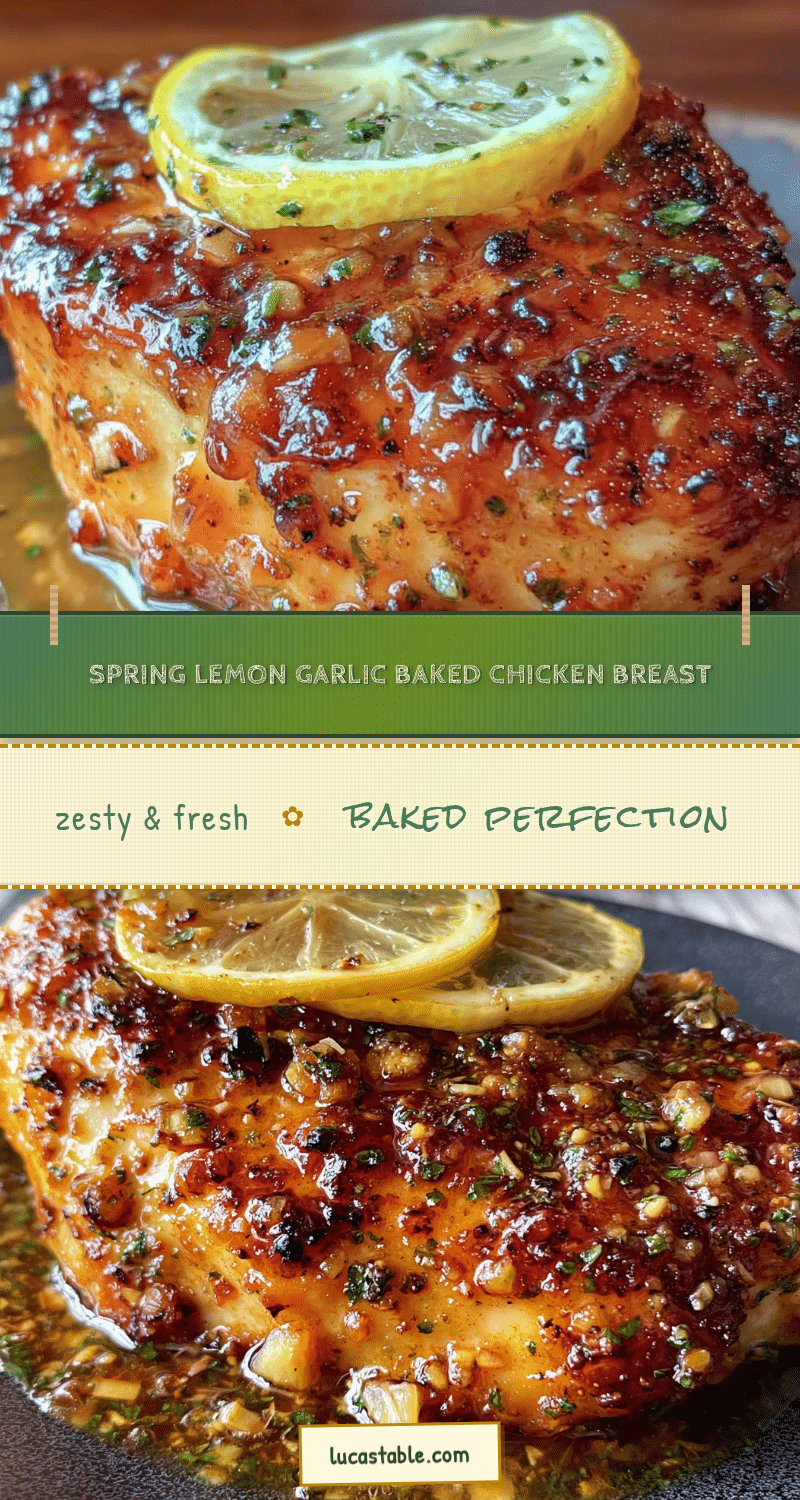
Spring Lemon Garlic Baked Chicken Breast: Easy 30-Minute Dinner

This spring lemon garlic baked chicken breast is a quick, 30-minute dinner that’s bright, juicy, and full of flavor. It’s a foolproof recipe that uses simple pantry ingredients and is perfect for busy weeknights or spring evenings.
- Prep Time: 15 minutes
- Cook Time: 20 minutes
- Total Time: 35 minutes
- Yield: 4 servings 1x
- Category: Main Course
- Cuisine: American
Ingredients
- 4 boneless, skinless chicken breasts (about 6 ounces each)
- 2 large fresh lemons
- 6 cloves garlic, minced
- 3 tablespoons extra virgin olive oil
- 6 sprigs fresh thyme
- 1 teaspoon dried oregano
- Salt and black pepper to taste
- ¼ cup chicken broth (low-sodium preferred)
- Optional garnishes: fresh parsley (chopped), lemon wedges, flaky sea salt
Instructions
- Preheat your oven to 400°F (200°C).
- Pound the chicken breasts to an even thickness of about ½ inch using a meat mallet or rolling pin, placing them between plastic wrap or parchment paper.
- Pat the chicken dry with paper towels and season both sides generously with salt and black pepper.
- In a small bowl, combine the zest of 1 lemon, the juice of 1 lemon (about 2 tablespoons), olive oil, minced garlic, dried oregano, and leaves from 4 sprigs of fresh thyme. Whisk together.
- Place the pounded chicken breasts in a shallow dish or zip-top bag, pour the marinade over them, and turn to coat. Let marinate at room temperature for 15 minutes (do not exceed 30 minutes).
- Pour the chicken broth into the bottom of a 9×13-inch baking dish. Arrange the marinated chicken breasts in a single layer, leaving space between each piece.
- Slice the remaining lemon into thin rounds (about ¼-inch thick) and place 2-3 slices on top of each chicken breast. Tuck the remaining 2 sprigs of thyme into the broth around the chicken.
- Bake for 18-22 minutes, until the chicken reaches an internal temperature of 165°F (74°C) at the thickest part. The lemon slices should be slightly browned.
- Remove from the oven and let the chicken rest for 5 minutes.
- Spoon the pan sauce over the chicken before serving. Garnish with fresh parsley, lemon wedges, and flaky sea salt if desired.
Notes
Pound chicken to even thickness for even cooking. Do not marinate longer than 30 minutes to avoid mushy texture. Use an instant-read thermometer for best results; pull chicken at 160°F as it will carry over to 165°F while resting. Remove seeds from lemon slices before placing on chicken. Leftovers keep in the refrigerator for up to 4 days; reheat gently in a covered skillet with a splash of broth.
Nutrition
- Serving Size: 1 chicken breast wit
- Calories: 285
- Sugar: 1
- Sodium: 480
- Fat: 12
- Saturated Fat: 2
- Carbohydrates: 4
- Fiber: 1
- Protein: 38
Keywords: lemon garlic chicken, baked chicken breast, spring chicken, 30-minute dinner, easy chicken recipe, healthy chicken dinner