I was standing in the community garden last October, staring at a butternut squash the size of my forearm, completely clueless about what to do with it. A woman named Rosa, who tended the plot next to mine, watched me struggle to lift the thing into my basket. She didn’t say anything at first. Then she just laughed, shook her head, and said, “You look like that squash is winning.” I admitted I had no idea how to cook it in a way my kids would actually eat. She told me about a dish her own children had begged for when they were small—a lasagna, but with squash standing in for the usual red sauce. I nodded along, but honestly, I was skeptical. My kids could spot a vegetable from three rooms away.
A few days later, I found myself standing in my kitchen at four in the afternoon, the squash sitting on the counter like a challenge. I had already peeled it, which took way longer than I expected—my knuckles were sore—and I almost gave up right there. But I thought about Rosa’s confidence, the way she said “they’ll eat it” like it was the most obvious thing in the world. So I roasted the squash, mashed it up, and layered it into a lasagna with plenty of cheese and a creamy sauce. The kitchen smelled incredible, warm and sweet, nothing like the usual dinner chaos.
When I pulled it out of the oven, golden and bubbling, my oldest walked in and asked, “What’s that?” I held my breath and said, “Dinner.” They ate it. No complaints, no negotiating, no hiding pieces under the napkin. My youngest even asked for seconds. I mean, I almost cried right there over the stove. That moment—the quiet victory of a meal everyone actually enjoyed—is why I keep making this recipe. Maybe you’ve been there, standing over a pan wondering if all that effort was worth it. Let me tell you, with this Kid-Approved Butternut Squash Lasagna Bake, it absolutely is.
Why You’ll Love This Recipe
Let’s be real for a second—getting a family dinner on the table that everyone actually eats is no small feat. This Kid-Approved Butternut Squash Lasagna Bake has become my secret weapon on busy weeknights, and here’s why it works so well:
- Quick & Easy: The whole thing comes together in about 45 minutes of active prep, and then the oven does the rest. Perfect for those afternoons when you’re juggling homework and after-school activities.
- Simple Ingredients: No fancy grocery store trips required. You probably already have most of these items in your pantry—pasta, cheese, milk, garlic. The squash is the star, and it’s usually pretty affordable when it’s in season.
- Perfect for Family Dinners: This dish is designed to please everyone at the table, from picky preschoolers to adults who want something satisfying without feeling heavy.
- Crowd-Pleaser: I’ve served this at potlucks and family gatherings, and it always gets devoured. Kids come back for seconds, and adults ask for the recipe. It’s one of those rare dishes that bridges the gap between “kid food” and “grown-up food.”
- Unbelievably Delicious: The combination of sweet roasted squash, creamy béchamel sauce, and melted cheese creates a flavor that’s pure comfort. It’s not just another lasagna—it’s a lasagna that makes you close your eyes after the first bite.
What makes this recipe different from all the other squash lasagnas out there is the technique. Instead of just layering in raw squash, you roast it first, which concentrates the natural sweetness and gives it a velvety texture. The béchamel sauce is light enough that it doesn’t weigh everything down, but rich enough to feel indulgent. Honestly, this is the kind of meal that makes you feel like a superhero in the kitchen, even on your most tired days.
What Ingredients You Will Need
This recipe relies on simple, honest ingredients that work together to create something truly special. Most of these are pantry staples, which makes this dish perfect for a last-minute dinner idea.
- Butternut Squash (1 medium, about 2-3 pounds / 900g-1.4kg) – Look for one that feels heavy for its size and has a firm, unblemished skin. You’ll peel, seed, and cube it before roasting.
- Lasagna Noodles (12-15 sheets / about 340g) – I prefer the no-boil kind because they save time and absorb the sauce beautifully. If you use regular noodles, cook them al dente according to package directions.
- Whole Milk (3 cups / 720ml) – This creates the base for the béchamel sauce. You can use 2% milk, but whole milk gives the creamiest result. For a dairy-free option, unsweetened oat milk works surprisingly well.
- Unsalted Butter (4 tablespoons / 56g) – Used for the sauce and for sautéing the aromatics. I always use unsalted so I can control the salt level.
- All-Purpose Flour (1/4 cup / 30g) – This thickens the béchamel. For a gluten-free version, you can swap in a 1:1 gluten-free flour blend.
- Garlic (3 cloves, minced) – Adds a savory depth that balances the sweetness of the squash. Fresh garlic is best, but jarred minced garlic works in a pinch.
- Fresh Sage Leaves (8-10 leaves) – Sage and squash are a classic pairing. The earthy, slightly peppery flavor of sage cuts through the richness. If you don’t have fresh, use 1 teaspoon of dried sage.
- Ricotta Cheese (2 cups / 480g) – This adds creaminess to the layers. I recommend full-fat ricotta for the best texture. If you’re dairy-free, use a high-quality cashew ricotta.
- Mozzarella Cheese (3 cups / 340g, shredded) – Use low-moisture mozzarella for the best melt. Part-skim works fine if you want to cut down on fat.
- Parmesan Cheese (1 cup / 100g, grated) – Adds a salty, nutty finish. I buy a block and grate it myself—it melts better and tastes fresher.
- Salt and Black Pepper (to taste) – Simple seasonings that let the squash shine.
- Olive Oil (2 tablespoons / 30ml) – For roasting the squash. A good quality extra-virgin olive oil adds a subtle fruitiness.
I recommend using Barilla no-boil lasagna noodles or Rao’s marinara if you ever want to add a layer of red sauce. But honestly, this recipe is so good on its own that you don’t need it!
Equipment Needed
You don’t need a ton of fancy equipment to pull this off. Here’s what you’ll want to have on hand:
- 9×13-inch Baking Dish (23×33 cm) – This is the standard size for a lasagna. If you use a smaller dish, you’ll have extra layers and may need to adjust cooking time.
- Large Skillet (12-inch / 30 cm) – For making the béchamel sauce. A non-stick skillet makes cleanup easier.
- Baking Sheet (half-sheet pan) – For roasting the squash. Line it with parchment paper for easy cleanup.
- Chef’s Knife and Vegetable Peeler – A sharp chef’s knife makes quick work of cubing the squash. A Y-shaped peeler is my favorite for removing the skin.
- Large Pot (if using regular lasagna noodles) – For boiling the pasta. You won’t need this if you use no-boil noodles.
- Whisk – Essential for a smooth béchamel without lumps.
- Mixing Bowls – For combining the ricotta mixture and holding shredded cheese.
- Measuring Cups and Spoons – Accuracy matters for the sauce.
If you don’t have a baking sheet, a large oven-safe skillet works for roasting the squash. And honestly, if you don’t have a whisk, a fork will do in a pinch—just be prepared to whisk a little longer.
Preparation Method
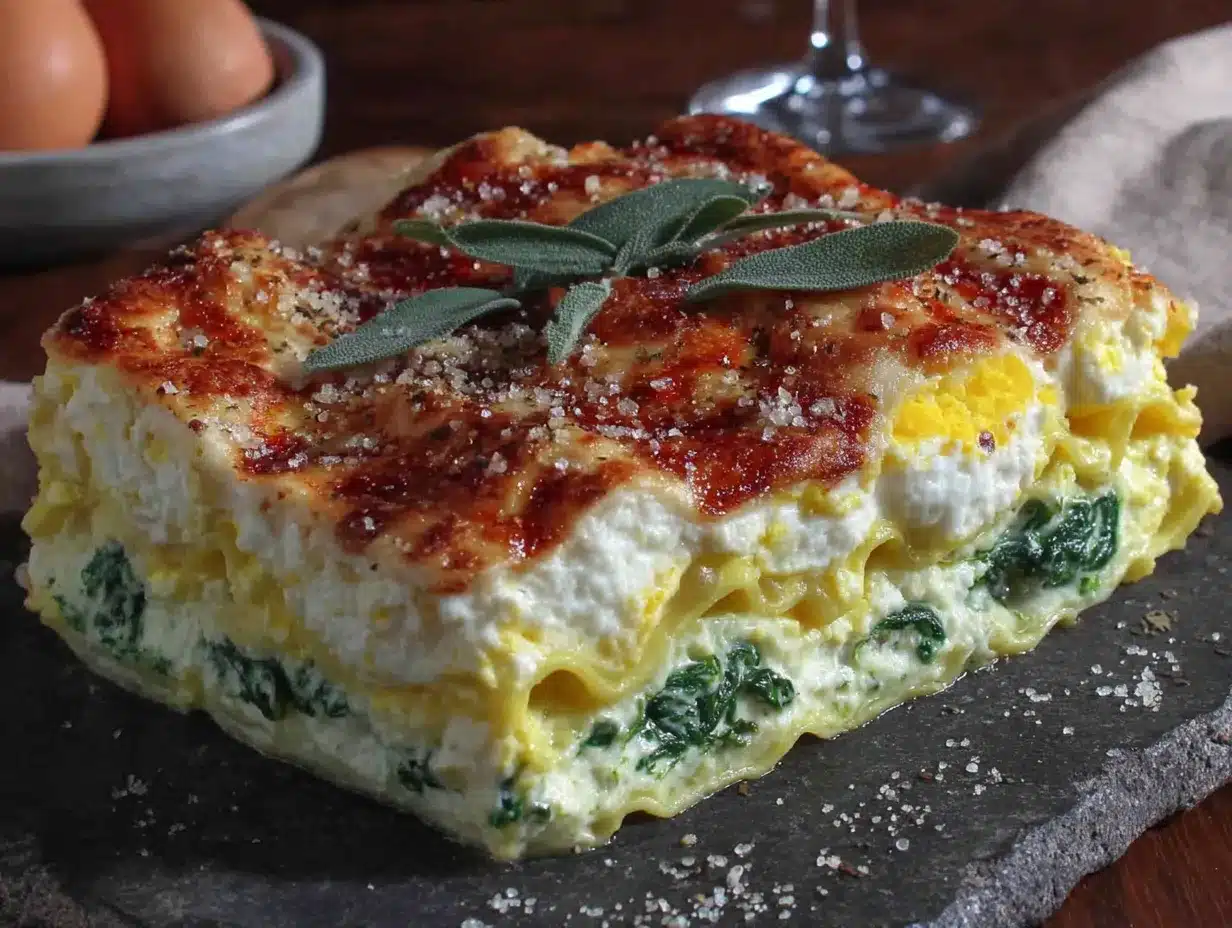
Let’s walk through this step by step. I’ve made this so many times that I’ve got the rhythm down, and I’ll share all the little tricks I’ve picked up along the way.
- Preheat your oven to 400°F (200°C). While it’s heating up, peel the butternut squash using a vegetable peeler. Cut off the stem end and the bottom, then slice the squash in half lengthwise. Scoop out the seeds with a spoon—save them for roasting if you’re feeling ambitious! Cut the squash into 1-inch cubes. Toss them on a baking sheet with 2 tablespoons of olive oil, a pinch of salt, and a few cracks of black pepper. Spread them in a single layer. Roast for 25-30 minutes, until the cubes are tender and lightly caramelized on the edges. The smell at this point is incredible—sweet and nutty.
- While the squash roasts, make the béchamel sauce. In a large skillet, melt 4 tablespoons of unsalted butter over medium heat. Add the minced garlic and fresh sage leaves. Cook for about 1 minute, until fragrant. Don’t let the garlic burn—it turns bitter. Sprinkle in the 1/4 cup of all-purpose flour and whisk constantly for 1-2 minutes. This cooks out the raw flour taste. Slowly pour in the 3 cups of whole milk, whisking the whole time to prevent lumps. Keep whisking until the sauce thickens, about 5-7 minutes. It should coat the back of a spoon. Season with 1/2 teaspoon of salt and 1/4 teaspoon of black pepper. Remove from heat and set aside.
- Prepare the ricotta mixture. In a medium bowl, combine 2 cups of ricotta cheese, 1 cup of shredded mozzarella (save the rest for topping), and 1/2 cup of grated Parmesan. Add a pinch of salt and a few cracks of pepper. Stir until well combined. If the ricotta seems watery, drain it in a fine-mesh strainer for 10 minutes first—this prevents a soggy lasagna.
- Assemble the lasagna. Spread a thin layer of béchamel sauce on the bottom of your 9×13-inch baking dish. This prevents the noodles from sticking. Place a layer of lasagna noodles on top (about 3-4 sheets, depending on the brand). Spread half of the roasted squash cubes over the noodles. Dollop half of the ricotta mixture over the squash and gently spread it. Drizzle with a third of the remaining béchamel. Repeat these layers: noodles, remaining squash, remaining ricotta, another third of béchamel. Top with a final layer of noodles, then pour the remaining béchamel over the top. Sprinkle with the reserved mozzarella and remaining Parmesan.
- Bake the lasagna. Cover the dish with aluminum foil (spray it with cooking spray first so the cheese doesn’t stick). Bake at 375°F (190°C) for 30 minutes. Remove the foil and bake for another 15-20 minutes, until the cheese is bubbly and golden brown. Let it rest for at least 10 minutes before slicing. This is the hardest part—the smell will drive you crazy—but it’s crucial for clean slices. The lasagna needs time to set so it doesn’t turn into a sloppy mess on the plate.
- Serve and enjoy. Cut into squares and serve warm. The first time I made this, I burned my tongue because I couldn’t wait. Learn from my mistake!
Cooking Tips & Techniques
I’ve made this lasagna more times than I can count, and I’ve definitely learned a few things the hard way. Here are my best tips for success:
- Don’t skip roasting the squash. I know it adds an extra step, but it makes a huge difference. Roasting concentrates the natural sugars and gives the squash a deeper, almost caramel-like flavor. If you’re in a hurry, you can microwave the cubed squash for 5-7 minutes, but the texture won’t be as rich.
- Watch your béchamel consistency. If the sauce is too thick, it won’t spread well between layers. If it’s too thin, the lasagna will be soupy. Aim for a consistency that’s like heavy cream—it should coat the back of a spoon but still drip off easily. If you accidentally make it too thick, whisk in a splash of milk. Too thin? Let it simmer a few more minutes.
- Let the lasagna rest. This is non-negotiable. I once cut into it after only 5 minutes, and it was a disaster—a soupy, sloppy mess. Ten to fifteen minutes of resting time allows the layers to set and the sauce to thicken. Use that time to set the table or make a quick salad.
- Use no-boil noodles for convenience. They absorb moisture from the sauce as they bake, which means one less pot to wash. If you use regular noodles, cook them 2 minutes less than the package directions—they’ll finish cooking in the oven.
- Double the recipe for meal prep. This lasagna freezes beautifully. Make two pans at once: one for dinner tonight, one for a busy week next month. Just assemble, cover tightly with foil, and freeze before baking. When you’re ready, bake from frozen at 375°F for about 60 minutes, removing the foil for the last 15 minutes.
Variations & Adaptations
One of the best things about this recipe is how flexible it is. Here are some ways to make it your own:
- Add some greens. I’ve thrown in a couple of handfuls of fresh spinach between the layers, and it’s fantastic. Just wilt the spinach in a hot pan with a little garlic first to remove excess moisture. Kale works too, but you’ll need to cook it a bit longer.
- Make it meaty. If your family is used to traditional meat lasagna, you can brown 1 pound of ground Italian sausage or turkey and layer it in with the squash. The sweetness of the squash pairs beautifully with savory meat.
- Go gluten-free. Swap the all-purpose flour for a 1:1 gluten-free blend in the béchamel, and use gluten-free lasagna noodles. I’ve tested this with several brands, and it works well—just be sure not to overcook the noodles.
- Try a different squash. Butternut is my favorite, but you can use acorn squash, kabocha, or even pumpkin. Each will bring a slightly different sweetness and texture. Acorn squash is a bit drier, so you might need to add an extra splash of milk to the béchamel.
- Add a crunchy top. For the last 5 minutes of baking, sprinkle the top with panko breadcrumbs mixed with a little melted butter and Parmesan. It adds a lovely golden crunch that my kids go crazy for.
I once tried a version with roasted red peppers blended into the béchamel, and it was surprisingly good—kind of a creamy, smoky twist. Don’t be afraid to experiment!
Serving & Storage Suggestions
This lasagna is a meal in itself, but it pairs beautifully with a few simple sides. Here’s how I like to serve it:
- Serving temperature: Serve warm, straight from the oven. Let it rest for 10-15 minutes first for the best texture. A simple green salad with a lemony vinaigrette cuts through the richness perfectly.
- Complementary dishes: Garlic bread or a crusty baguette is always a hit for sopping up any extra sauce. Steamed broccoli or roasted green beans add a pop of color and freshness. For a lighter option, try a side of sautéed zucchini with garlic.
- Storage: Leftovers keep well in the refrigerator for up to 4 days. Store in an airtight container. The flavors actually meld together overnight, so it might taste even better the next day.
- Freezing: This lasagna freezes like a dream. Assemble the entire dish in a freezer-safe baking dish, but don’t bake it. Cover tightly with plastic wrap, then foil. Freeze for up to 3 months. To bake, thaw overnight in the refrigerator, then bake as directed. You can also bake from frozen—just add about 20 minutes to the covered baking time.
- Reheating: For individual portions, the microwave works fine—just cover with a damp paper towel to prevent drying out. For a whole dish, reheat in a 350°F (175°C) oven for 15-20 minutes, covered with foil. If you want the cheese to get bubbly again, uncover for the last 5 minutes.
Honestly, this is one of those dishes that gets better with time. The squash continues to soften and meld with the sauce, so don’t be sad about leftovers—embrace them.
Nutritional Information & Benefits
While this is definitely comfort food, it has some surprising nutritional perks. Here’s a rough estimate per serving (based on 8 servings):
- Calories: Approximately 420 kcal
- Protein: 18g
- Carbohydrates: 38g
- Fat: 22g
- Fiber: 5g
- Sugar: 8g
Butternut squash is packed with vitamin A (great for eye health), vitamin C, and potassium. The fiber from the squash and whole-grain noodles (if you use them) helps keep everyone full and satisfied. The calcium from the cheese and milk is a bonus for growing kids. If you’re watching your sodium, you can use low-sodium cheeses and cut back on the added salt.
This recipe is naturally vegetarian and can be made gluten-free with a few swaps. It’s not low-carb, but the squash provides complex carbohydrates that release energy slowly—perfect for active families. I love that I can serve this to my kids knowing they’re getting a good dose of vegetables without any fuss.
Conclusion
This Kid-Approved Butternut Squash Lasagna Bake has earned a permanent spot in my dinner rotation. It’s the kind of recipe that solves the eternal family dinner problem: how to get everyone to eat the same thing and actually enjoy it. The sweet, creamy squash, the rich béchamel, and the gooey cheese come together in a way that feels both indulgent and wholesome.
I hope you give this a try, and I hope it becomes a favorite in your home too. Don’t be afraid to tweak it—swap in your family’s favorite cheese, add some spinach, or double the garlic. Cooking is about making it work for you. I’d love to hear how it turns out! Drop a comment below and let me know if your kids asked for seconds, or if you came up with a brilliant variation I haven’t tried yet. And if you’re looking for another family-friendly meal, you might also enjoy this creamy chicken and rice casserole—it’s another one that disappears fast at my table.
Happy cooking, friends. Here’s to meals that bring everyone together.
Frequently Asked Questions
Can I make this lasagna ahead of time?
Absolutely! You can assemble the entire lasagna a day in advance. Just cover it tightly and refrigerate. When you’re ready to bake, add about 10 minutes to the covered baking time. It’s a lifesaver for busy weeknights or when you’re hosting guests.
Can I use frozen butternut squash instead of fresh?
Yes, you can! Frozen cubed butternut squash works in a pinch. Thaw it first and pat it dry with paper towels to remove excess moisture. Then roast it as directed—though it might take a few minutes less since it’s already partially cooked. The texture won’t be quite as caramelized, but it’s still delicious.
My kids are picky eaters—will they like this?
I get it—picky eaters can be tough. But the sweetness of the roasted squash, combined with the creamy sauce and cheese, makes this dish very kid-friendly. My own kids didn’t even realize they were eating squash the first time! If you’re nervous, try mixing the squash into the ricotta layer so it’s less visible. You can also add a layer of ground meat to make it feel more familiar.
Can I freeze leftovers?
Definitely! Leftovers freeze beautifully. Portion them into individual containers for easy lunches, or freeze the whole pan. To reheat, thaw in the refrigerator overnight and warm in the oven or microwave. The texture stays creamy and delicious.
What can I use instead of béchamel sauce?
If you’re short on time or want a lighter option, you can use a mixture of ricotta and an egg (like in traditional lasagna) combined with a little milk. You can also use a jarred Alfredo sauce in a pinch, though the flavor will be different. For a dairy-free version, try a cashew cream sauce or a store-bought vegan béchamel.
Pin This Recipe!
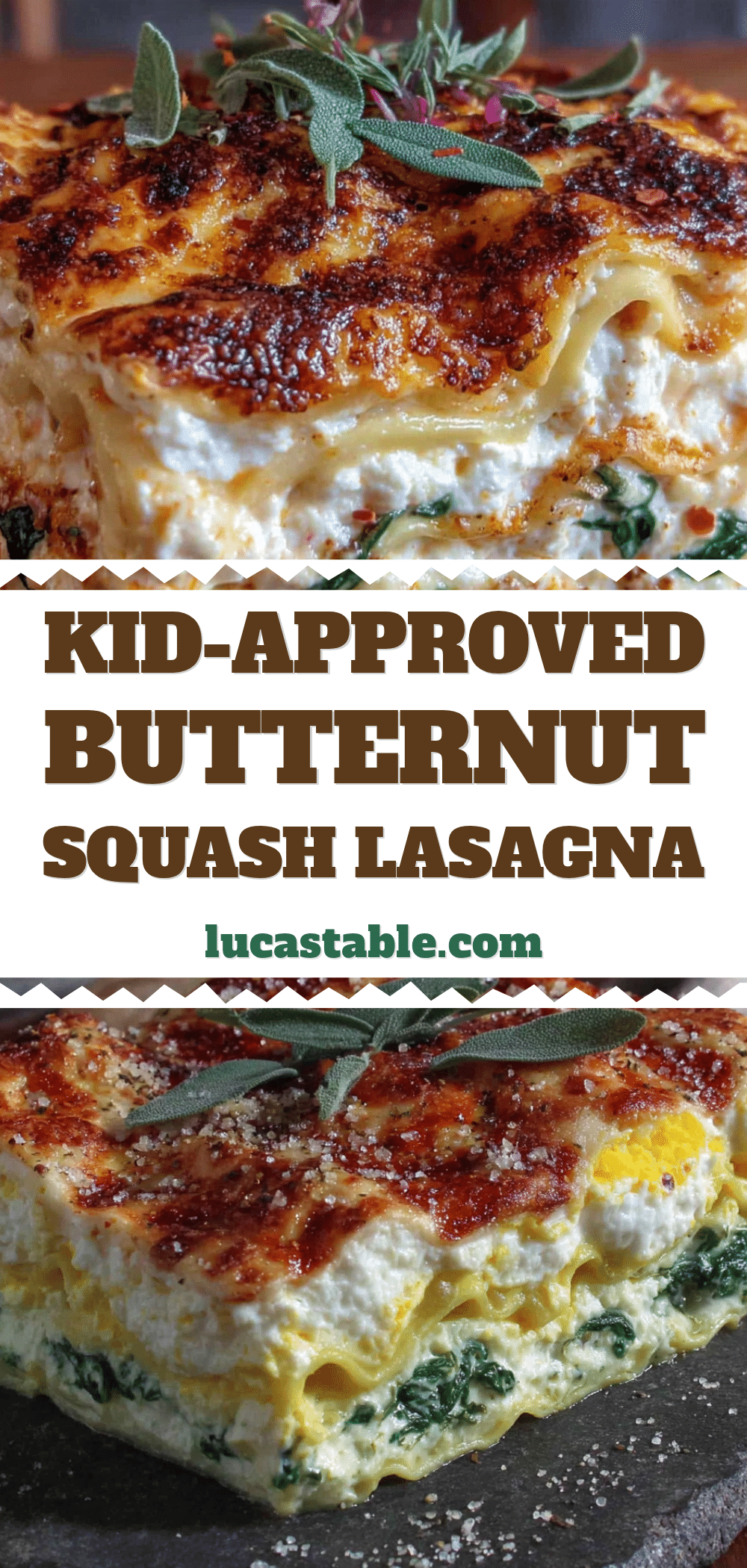
Kid-Approved Butternut Squash Lasagna Bake

A creamy, cheesy lasagna with sweet roasted butternut squash and a light béchamel sauce that even picky eaters will love. Perfect for busy weeknights and family dinners.
- Prep Time: 45 minutes
- Cook Time: 50 minutes
- Total Time: 1 hour 35 minutes
- Yield: 8 servings 1x
- Category: Main Course
- Cuisine: Italian-American
Ingredients
- 1 medium butternut squash (about 2–3 pounds / 900g-1.4kg), peeled, seeded, and cubed
- 12–15 no-boil lasagna noodles (about 340g)
- 3 cups whole milk (720ml)
- 4 tablespoons unsalted butter (56g)
- 1/4 cup all-purpose flour (30g)
- 3 cloves garlic, minced
- 8–10 fresh sage leaves (or 1 teaspoon dried sage)
- 2 cups ricotta cheese (480g)
- 3 cups shredded low-moisture mozzarella cheese (340g), divided
- 1 cup grated Parmesan cheese (100g), divided
- Salt and black pepper to taste
- 2 tablespoons olive oil (30ml)
Instructions
- Preheat oven to 400°F (200°C). Peel and cube butternut squash into 1-inch pieces. Toss with olive oil, salt, and pepper. Spread on a baking sheet and roast for 25-30 minutes until tender and caramelized.
- While squash roasts, make béchamel sauce: In a large skillet, melt butter over medium heat. Add garlic and sage leaves; cook 1 minute until fragrant. Whisk in flour and cook 1-2 minutes. Slowly whisk in milk and cook, whisking constantly, until thickened (5-7 minutes). Season with 1/2 teaspoon salt and 1/4 teaspoon pepper. Remove from heat.
- In a medium bowl, combine ricotta, 1 cup mozzarella, and 1/2 cup Parmesan. Season with salt and pepper. Stir until well combined.
- Assemble lasagna: Spread a thin layer of béchamel in a 9×13-inch baking dish. Layer noodles, half the roasted squash, half the ricotta mixture, and a third of the béchamel. Repeat layers. Top with final layer of noodles, remaining béchamel, and remaining mozzarella and Parmesan.
- Cover with foil (sprayed with cooking spray) and bake at 375°F (190°C) for 30 minutes. Remove foil and bake 15-20 minutes more until golden and bubbly. Let rest 10-15 minutes before slicing.
- Cut into squares and serve warm.
Notes
Don’t skip roasting the squash—it concentrates the sweetness. Let the lasagna rest for 10-15 minutes before slicing to prevent a soupy mess. No-boil noodles save time and absorb sauce well. For meal prep, assemble and freeze before baking; bake from frozen at 375°F for about 60 minutes, removing foil for last 15 minutes.
Nutrition
- Serving Size: 1 square (1/8 of rec
- Calories: 420
- Sugar: 8
- Sodium: 650
- Fat: 22
- Saturated Fat: 12
- Carbohydrates: 38
- Fiber: 5
- Protein: 18
Keywords: butternut squash lasagna, kid-friendly dinner, family dinner, vegetarian lasagna, easy weeknight meal, comfort food, fall recipe