My neighbor asked why I couldn’t just roast the squash with the seeds still in. I started to explain why that wouldn’t work — then stopped. I mean, honestly, I had no good reason. I just always did it the way my grandmother had, scooping out every last slippery seed before the squash ever saw the oven. But she was standing there in my kitchen, holding a halved butternut squash like it was the most obvious thing in the world. So I shrugged and said, “Let’s try it.”
That was two winters ago, and let me tell you, I haven’t gone back since. The seeds roasted right alongside the flesh, getting all crispy and golden, and they soaked up every bit of that maple and sage goodness. I felt a little silly, honestly. Here I was, the one who’d been making roasted butternut squash for years, and a neighbor who just cooks what she craves taught me something new. Maybe you’ve been there — that moment when you realize you’ve been overcomplicating something simple.
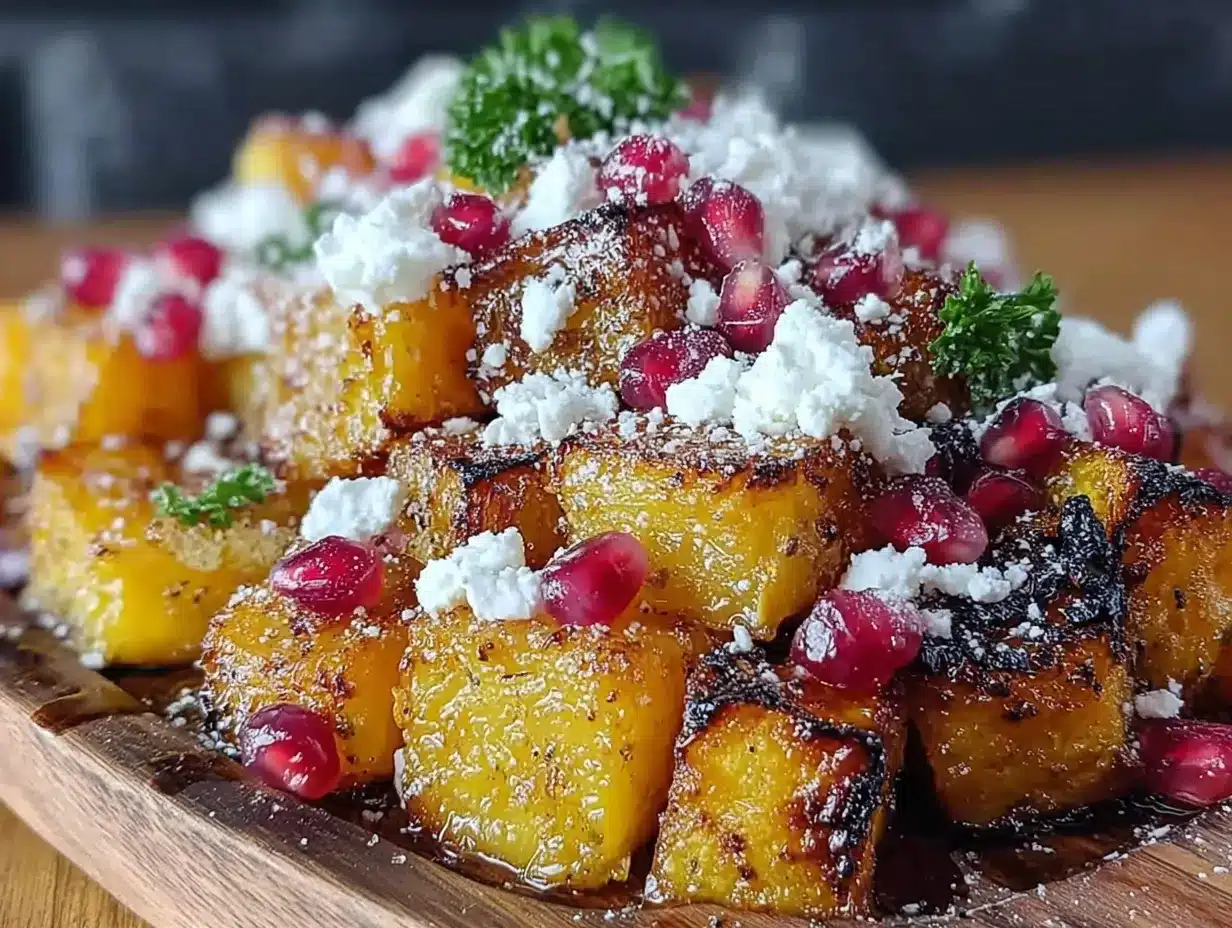
That night, we ate that squash with pomegranate seeds and crumbled feta, and something just clicked. The sweet, the tart, the salty, the crunch. It was comfort food, but brighter. Cozier, but not heavy. And every time I make it now, I think about how being wrong can be a pretty delicious thing.
Why You’ll Love This Recipe
This isn’t just another roasted squash recipe. I’ve tested this one about seven times (my family is very patient), and it’s the version I keep coming back to. Here’s why it’s earned a permanent spot in my fall rotation:
- Quick & Easy: It comes together in under 45 minutes, most of which is hands-off oven time. Perfect for a Tuesday night when you need something that feels special but doesn’t demand much.
- Simple Ingredients: You probably already have maple syrup, olive oil, and salt. The pomegranate and feta are worth the extra stop, but they’re not fussy — just grab them and go.
- Perfect for Cozy Nights: This is the dish you want when the weather turns cold and you’re craving something warm, colorful, and satisfying. It’s also gorgeous enough for holiday dinners.
- Crowd-Pleaser: I’ve served this to my picky nephew and my food-snob cousin. Both asked for seconds. The combo of sweet, salty, and tart hits everyone differently but always lands.
- Unbelievably Delicious: The texture is what gets me — tender, caramelized squash with bursts of juicy pomegranate and creamy feta. It’s comfort food that somehow feels fresh.
What makes this recipe different? It’s the little trick of leaving the seeds in while roasting. They get toasty and nutty, adding a crunch you don’t expect. Plus, the balance of flavors is just right — not too sweet, not too salty. It’s the kind of dish that makes you close your eyes after the first bite. Honestly, I’ve done it.
What Ingredients You Will Need
This recipe uses simple, wholesome ingredients that come together to create something truly special. Most of these are pantry staples or easy to find at any grocery store, especially in the fall and winter months.
- Butternut squash: Look for one that feels heavy for its size, about 2 to 2.5 pounds. You’ll want it halved lengthwise, seeds left in. I’ve tried this with pre-cut cubes, but the halved version roasts more evenly and stays juicier.
- Olive oil: A good quality extra virgin olive oil makes a difference here. I use California Olive Ranch for its smooth, fruity flavor. You’ll need about 2 tablespoons for drizzling.
- Maple syrup: Pure maple syrup, not the pancake stuff. It adds a deep, woodsy sweetness that pairs perfectly with the squash. Grade A dark amber is my go-to.
- Fresh sage leaves: About 6 to 8 leaves, whole. They crisp up in the oven and become these little flavor bombs. Dried sage won’t give you the same texture, so fresh is worth seeking out.
- Salt and black pepper: Kosher salt is best for even seasoning. Freshly cracked black pepper adds a little warmth.
- Pomegranate seeds: You can buy them pre-seeded (thank goodness for that) or seed a fresh pomegranate yourself. They add those little bursts of tart juiciness that cut through the richness.
- Feta cheese: A block of good feta, crumbled by hand, is so much creamier than the pre-crumbled stuff. I like Valbreso or any sheep’s milk feta for its tangy, salty kick.
- Optional garnishes: A handful of toasted walnuts or pecans adds extra crunch, and a drizzle of balsamic glaze takes it over the top. I’ve done both, and they’re lovely but not necessary.
If you’re looking to substitute, you can swap maple syrup for honey or agave. For a dairy-free version, use a plant-based feta or skip it altogether — the pomegranate and squash are still fantastic on their own.
Equipment Needed
You don’t need much for this recipe, which is part of its charm. Here’s what I use:
- Sharp chef’s knife: Butternut squash is tough. A good, sharp knife makes halving it so much safer and easier. I’ve learned this the hard way — dull knives slip.
- Cutting board: A sturdy one that won’t slide around. I put a damp paper towel underneath to keep it steady.
- Large rimmed baking sheet: A half-sheet pan works perfectly. Rimmed is key — the squash releases some liquid, and you don’t want it running everywhere.
- Parchment paper or foil: For easy cleanup. I prefer parchment because it doesn’t stick, but foil works in a pinch.
- Small bowl: For mixing the maple syrup and olive oil if you want to brush it on.
- Pastry brush: Optional, but it helps you get an even coating of the maple mixture on the squash.
That’s it. No food processor, no special gadgets. Just simple tools that get the job done.
Preparation Method
- Preheat your oven to 400°F (200°C). Give it a full 15 minutes to come to temperature. A hot oven is what gives you those caramelized edges.
- Halve the butternut squash lengthwise. Be careful here — that squash is tough. I start by cutting off the stem end just a little, then stand the squash upright and cut straight down. If you’re struggling, microwave the whole squash for 2 minutes to soften it slightly.
- Leave the seeds in. I know it feels wrong, but trust me. Just scoop out any loose, stringy bits around the seed cavity, but leave the seeds themselves nestled in there. They’ll roast beautifully.
- Place the squash halves cut-side up on your baking sheet. Drizzle each half with about 1 tablespoon of olive oil. Then drizzle with about 1 tablespoon of maple syrup total (split between the two halves). Use your hands or a brush to spread it all over the cut surface and into the seed cavity.
- Season generously with salt and pepper. Don’t be shy — the squash needs it. Tuck the fresh sage leaves into the cavities and around the edges.
- Roast for 35 to 45 minutes. The squash is done when you can easily pierce the thickest part with a fork. The edges should be golden and caramelized, and the seeds should look toasty and crispy. Start checking at 35 minutes.
- Let it cool for 5 minutes. This is important — the squash needs a minute to settle so it doesn’t fall apart when you handle it.
- Transfer to a serving platter. You can serve the halves whole for a dramatic presentation, or slice them into wedges. I usually cut each half into 3 or 4 pieces so everyone gets some of everything.
- Sprinkle with pomegranate seeds and crumbled feta. Be generous — about 1/3 cup of each. The feta will soften slightly from the warmth of the squash, which is exactly what you want.
- Add any optional garnishes like toasted nuts or a drizzle of balsamic glaze. Serve warm or at room temperature.
A quick note: If the seeds start to look like they’re burning before the squash is tender, just tent a piece of foil loosely over the top. That’s only happened to me once, but it’s an easy fix.
Cooking Tips & Techniques
I’ve made this recipe enough times to have a few tricks up my sleeve. Here’s what I’ve learned:
Don’t overcrowd the pan. The squash halves need space to breathe. If they’re touching, they’ll steam instead of roast, and you’ll lose that caramelization. Use two pans if you’re doubling the recipe.
Let the squash come to room temperature before roasting. A cold squash straight from the fridge will take longer to cook and won’t caramelize as well. I take mine out about 20 minutes before I start prepping.
Watch your oven temperature. I once made this at a friend’s house, and her oven ran hot. The squash was done in 30 minutes, but the seeds were a little dark. If your oven runs hot, check at 30 minutes. If it runs cool, give it the full 45.
Don’t skip the resting time. I know you want to eat it immediately, but that 5-minute rest lets the juices redistribute. The squash stays tender and doesn’t get watery.
Toast the seeds separately if you want extra crunch. Sometimes I scoop out a few of the roasted seeds and sprinkle them on top with the pomegranate. It’s a little extra, but worth it.
Variations & Adaptations
This recipe is flexible, and I’ve played around with it quite a bit. Here are some versions I’ve tried and loved:
Spicy Maple Version: Add a pinch of red pepper flakes or a drizzle of hot honey along with the maple syrup. The heat pairs beautifully with the sweet squash and salty feta. I made this for a game night, and it disappeared in minutes.
Herb Swap: If you don’t have sage, try fresh rosemary or thyme. Rosemary is a bit more assertive, so use less. Thyme is milder and works really well. I’ve even used a mix of sage and thyme when I had both on hand.
Nutty Addition: Toast 1/4 cup of pecans or walnuts and sprinkle them on top with the pomegranate and feta. The crunch is fantastic, and it makes the dish feel even more substantial. I did this for Thanksgiving last year, and my aunt asked for the recipe.
Balsamic Glaze Drizzle: A quick swirl of balsamic glaze right before serving adds a tangy sweetness that ties everything together. You can buy it pre-made or reduce balsamic vinegar on the stove until it’s syrupy.
Dairy-Free Option: Skip the feta or use a plant-based version. The pomegranate seeds and roasted squash are still a winning combo. I’ve served it this way for a friend who’s dairy-free, and she didn’t miss the cheese at all.
Serving & Storage Suggestions
This dish is best served warm, right out of the oven, when the feta is still soft and the pomegranate seeds are cool and juicy. But it’s also fantastic at room temperature, which makes it perfect for potlucks or holiday buffets.
I like to serve it on a large wooden board or a white platter to show off the colors. It pairs beautifully with roasted chicken, grilled pork chops, or a simple grain bowl with farro or quinoa. For a vegetarian main, add a scoop of creamy hummus or a handful of arugula on the side.
For storage, let any leftovers cool completely, then transfer to an airtight container. It will keep in the fridge for up to 3 days. The pomegranate seeds will soften a bit, but the flavor is still great.
To reheat, pop it in a 350°F oven for about 10 minutes, or until warmed through. The microwave works in a pinch, but the squash won’t be as crispy. I actually like eating the leftovers cold, straight from the fridge — the flavors meld together overnight, and it’s like a whole new dish.
Nutritional Information & Benefits
This recipe is as nourishing as it is delicious. Butternut squash is packed with vitamin A (hello, healthy eyes and skin) and fiber, which keeps you full and happy. Pomegranate seeds are little antioxidant powerhouses — they’re great for heart health and fighting inflammation. Feta adds a good dose of calcium and protein, plus that salty tang that makes everything better.
For a rough estimate per serving (about 1/4 of the recipe):
- Calories: 220
- Fat: 12g
- Carbohydrates: 28g
- Fiber: 5g
- Protein: 6g
- Sugar: 12g (mostly natural from the squash and pomegranate)
This dish is naturally gluten-free and can be made dairy-free by skipping the feta. It’s also vegetarian and packed with whole-food ingredients. I love that it feels indulgent but is actually really good for you.
Conclusion
This roasted butternut squash with pomegranate and feta has become my go-to for cozy nights, holiday dinners, and everything in between. It’s the kind of recipe that proves simple ingredients, treated right, can be absolutely stunning. And honestly, I still think about that neighbor who showed me that sometimes the best cooking comes from questioning what you think you know.
I hope you give this a try and make it your own. Maybe you’ll add a little more feta, or swap the sage for rosemary, or double the pomegranate seeds like I sometimes do. Whatever you choose, I’d love to hear about it. Drop a comment below and let me know how it turned out — or share your own twist on this dish. Happy cooking!
Frequently Asked Questions
Can I use butternut squash cubes instead of halves?
Yes, you can. The cooking time will be shorter — about 20 to 25 minutes — because the cubes are smaller. Toss them with the oil and maple syrup on the baking sheet, and spread them in a single layer. You won’t get the roasted seeds, but you can add toasted pumpkin seeds on top instead.
How do I seed a pomegranate without making a mess?
Cut the pomegranate in half crosswise, then hold one half cut-side down over a bowl. Whack the back of it firmly with a wooden spoon. The seeds will fall right out. It’s surprisingly satisfying and way less messy than picking them out by hand.
Can I make this recipe ahead of time?
You can roast the squash up to a day ahead and store it in the fridge. When you’re ready to serve, reheat it in a 350°F oven for about 10 minutes, then add the pomegranate seeds and feta. The seeds and feta should always be added fresh for the best texture and flavor.
What if I can’t find fresh sage?
Fresh sage is ideal, but you can use dried sage in a pinch. Sprinkle about 1 teaspoon of dried sage over the squash before roasting. The texture won’t be the same, but the flavor will still be lovely. Rosemary or thyme are great substitutes if you have those fresh.
Is this recipe vegan-friendly?
As written, it’s not vegan because of the feta. But you can easily make it vegan by using a plant-based feta or skipping the cheese altogether. The pomegranate seeds and roasted squash are delicious on their own. Just make sure your maple syrup is 100% pure, and you’re good to go.
Pin This Recipe!
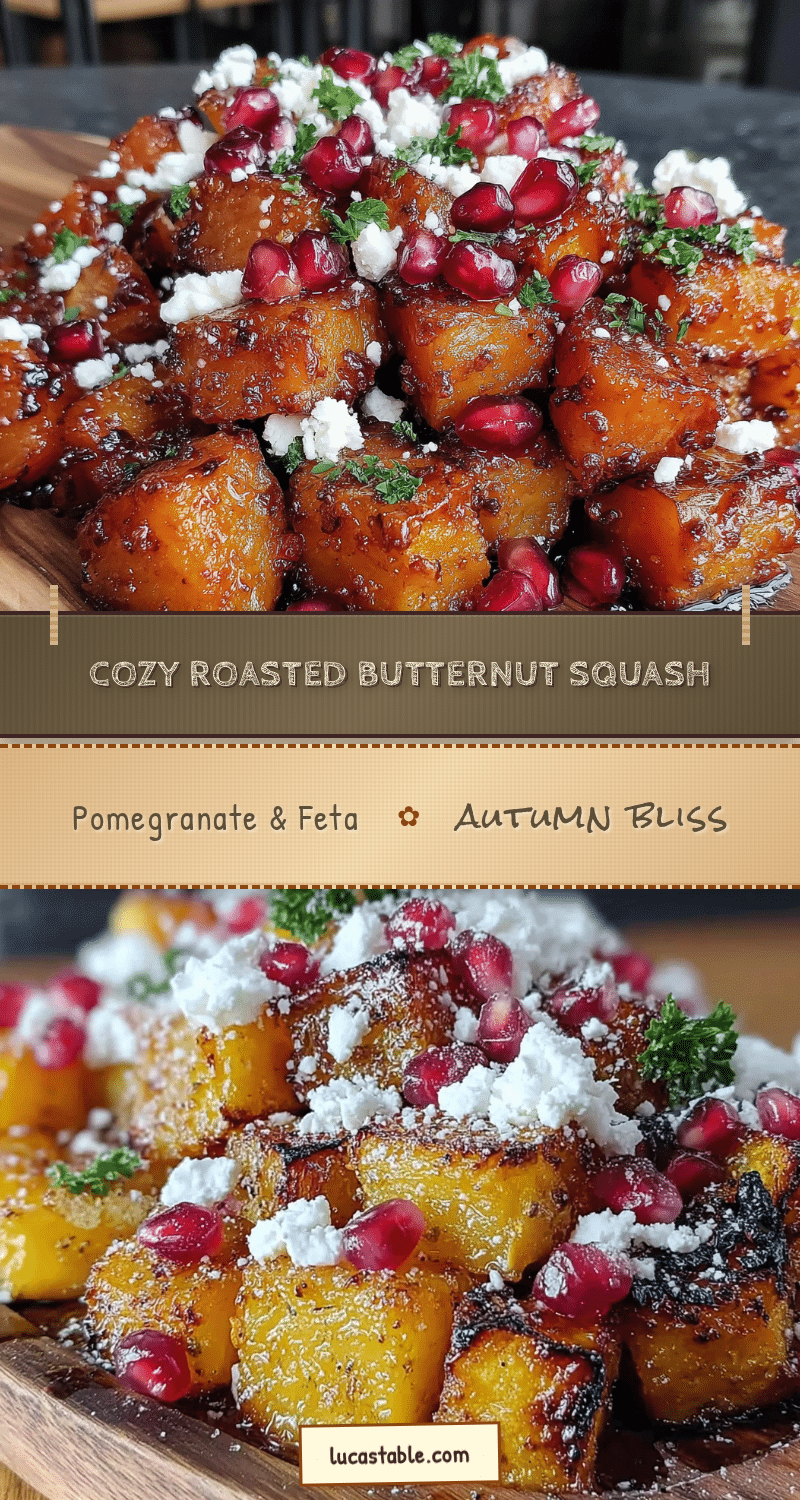
Best Easy Roasted Butternut Squash with Pomegranate Feta
This roasted butternut squash is roasted with the seeds left in for extra crunch, then topped with juicy pomegranate seeds and creamy feta. It’s a simple, flavorful side dish perfect for cozy nights or holiday dinners.
- Prep Time: 10 minutes
- Cook Time: 35 to 45 minutes
- Total Time: 45 to 55 minutes
- Yield: 4 servings 1x
- Category: Side Dish
- Cuisine: American
Ingredients
- 1 butternut squash (about 2 to 2.5 pounds), halved lengthwise, seeds left in
- 2 tablespoons extra virgin olive oil
- 1 tablespoon pure maple syrup (Grade A dark amber preferred)
- 6 to 8 fresh sage leaves
- Kosher salt and freshly cracked black pepper, to taste
- 1/3 cup pomegranate seeds
- 1/3 cup crumbled feta cheese (sheep’s milk feta recommended)
- Optional: 1/4 cup toasted walnuts or pecans, balsamic glaze for drizzling
Instructions
- Preheat your oven to 400°F (200°C). Give it a full 15 minutes to come to temperature.
- Halve the butternut squash lengthwise. Be careful — start by cutting off the stem end, then stand the squash upright and cut straight down. If struggling, microwave the whole squash for 2 minutes to soften slightly.
- Leave the seeds in. Scoop out any loose, stringy bits around the seed cavity, but leave the seeds themselves nestled in there.
- Place the squash halves cut-side up on a large rimmed baking sheet lined with parchment paper or foil. Drizzle each half with about 1 tablespoon of olive oil, then drizzle with about 1 tablespoon of maple syrup total (split between the two halves). Use your hands or a brush to spread it all over the cut surface and into the seed cavity.
- Season generously with salt and pepper. Tuck the fresh sage leaves into the cavities and around the edges.
- Roast for 35 to 45 minutes, until the squash is easily pierced with a fork and the edges are golden and caramelized. If the seeds start to look like they’re burning before the squash is tender, tent a piece of foil loosely over the top.
- Let the squash cool for 5 minutes on the baking sheet.
- Transfer to a serving platter. Serve the halves whole for a dramatic presentation, or slice each half into 3 or 4 pieces.
- Sprinkle with pomegranate seeds and crumbled feta. Add any optional garnishes like toasted nuts or a drizzle of balsamic glaze. Serve warm or at room temperature.
Notes
If the seeds start to look like they’re burning before the squash is tender, tent a piece of foil loosely over the top. Let the squash come to room temperature before roasting for better caramelization. Don’t overcrowd the pan — use two pans if doubling the recipe.
Nutrition
- Serving Size: 1/4 of the recipe
- Calories: 220
- Sugar: 12
- Sodium: 300
- Fat: 12
- Saturated Fat: 3
- Carbohydrates: 28
- Fiber: 5
- Protein: 6
Keywords: roasted butternut squash, pomegranate feta, fall side dish, easy roasted squash, holiday side dish