What Is a Chirashi Bowl? Origins and Modern Appeal
If you’ve ever walked into a sushi spot and spotted a colorful mountain of seafood and veggies over rice, you’ve likely seen a Chirashi Bowl. The name “chirashi” comes from “chirashizushi,” which literally means “scattered sushi” in Japanese. Instead of rolling fish and rice into neat bites, this dish tosses all the best sushi ingredients into a vibrant bowl, making every bite a surprise.
The Roots of Chirashizushi in Japan
Chirashi Bowl has deep roots in Japanese food culture. Traditionally, it was a way for families to enjoy sushi at home, especially during celebrations or festivals. The base is always sushi rice—seasoned with vinegar, sugar, and salt—topped with whatever fresh fish and vegetables are on hand. This “scattered” style is both practical and beautiful, showing off the chef’s creativity.
Chirashi vs. Poke, Nigiri, Maki, and Kaisen Don
With so many rice bowls out there, it’s easy to get confused. So, what makes a Chirashi Bowl different from a poke bowl or other sushi types?
| Dish | Origin | Main Features |
|---|---|---|
| Chirashi Bowl (Chirashizushi) | Japan | Sushi rice topped with assorted sashimi, veggies, and garnishes |
| Poke Bowl | Hawaii | Marinated raw fish (often tuna or salmon) over rice, usually with tropical flavors |
| Nigiri | Japan | Hand-formed rice with a slice of fish on top |
| Maki | Japan | Rice and fillings rolled in seaweed and sliced |
| Kaisen Don | Japan | Seafood rice bowl, often with a focus on fresh sashimi |
While poke bowls bring a Hawaiian twist with bold sauces and tropical add-ins, Chirashi Bowls stick to sushi rice and classic Japanese toppings. Kaisen don is similar but usually highlights just the fish, not the full spread of veggies and garnishes found in chirashi. If you’re craving variety and color, chirashi is the way to go.
Why Chirashi Bowls Are Trending in the US
In recent years, Chirashi Bowl has become a hit in the US. Why? For starters, it’s healthy—packed with lean protein, fresh veggies, and heart-healthy fats. It’s also convenient; you get all the flavors of sushi without waiting for rolls to be made. Plus, the bright colors and artful arrangement make it an Instagram favorite. Whether you’re eating out or making it at home, chirashi bowls are a feast for both your eyes and your taste buds.
Modern Adaptations and Fusion Trends
American restaurants have put their own spin on the classic Chirashi Bowl. You’ll find versions with spicy mayo, avocado, or even crispy onions. Vegetarian and vegan options are popping up, too, featuring tofu, mushrooms, or marinated veggies instead of fish. Some spots even blend poke bowl flavors with Japanese rice, creating unique fusion bowls you won’t find in Tokyo.
Curious about how these bowls stack up to other Japanese favorites? Or maybe you’re wondering how to make your own at home? Keep reading as we break down the different types of chirashi, essential ingredients, and step-by-step tips for building your perfect sushi bowl. And if you’re in the mood for something sweet after your meal, you might want to check out our Strawberry Cookies for a fun dessert idea!
Types of Chirashi Bowl: Kanto, Kansai & Beyond
When you order a Chirashi Bowl at your favorite sushi spot, you might be surprised to discover there’s more than one way to enjoy this classic Japanese rice bowl. The style you get often depends on where the chef learned their craft—or how creative they’re feeling! Let’s break down the main types of chirashi sushi, what makes each one unique, and what you’re most likely to find in the US.
Kanto Style Chirashi: Toppings on Seasoned Rice
The Kanto style, also called Edo-mae chirashi, is the version most Americans picture when they think of a Chirashi Bowl. In this style, chefs gently press a bed of seasoned sushi rice into a bowl, then artfully arrange slices of sashimi-grade fish, shellfish, and colorful vegetables on top. Each topping stands out, making the bowl a feast for the eyes as well as the taste buds. You’ll often see salmon, tuna, yellowtail, and even tamagoyaki (Japanese omelet) featured. This style highlights the freshness and quality of each ingredient, and it’s the go-to in most US sushi restaurants.
Kansai Style Chirashi: Mixed-In Goodness
Head west in Japan, and you’ll find the Kansai, or Gomoku/Bara chirashi, style. Instead of layering toppings, chefs mix diced fish, cooked seafood, and vegetables directly into the seasoned rice. The result? Every bite is packed with flavor, and you get a little bit of everything in each spoonful. This style is popular for home celebrations and is less common in US restaurants, but it’s a fun option to try if you love the idea of sushi rice packed with hidden treasures.
Visual and Flavor Differences
Here’s a quick side-by-side to help you spot the difference:
| Style | Presentation | Flavor Profile | Common in US? |
|---|---|---|---|
| Kanto (Edo-mae) | Toppings arranged on rice | Clean, focused on ingredient quality | Yes |
| Kansai (Gomoku/Bara) | Ingredients mixed into rice | Balanced, every bite is different | Rare |
Modern and Fusion Chirashi Bowls
As chirashizushi has become popular in the US, chefs have started putting their own spin on tradition. You’ll see modern chirashi bowl options with vegetarian or vegan toppings like marinated tofu, mushrooms, or even avocado. Some restaurants even take inspiration from poke bowls, tossing diced fish with spicy mayo or sriracha before adding it to the rice. These fusion versions are perfect for anyone eager to try new flavors or looking for allergy-friendly options.
What You’ll Find in US Sushi Restaurants
In most US sushi restaurants, the Kanto style chirashi is the star—think sushi rice topped with slices of salmon, tuna, yellowtail, shrimp, and a rainbow of veggies. If you’re lucky, you might spot a poke-inspired chirashi or a vegetarian version on the menu. Kansai-style chirashi is rare, but you can always ask your chef if they’re up for a twist!
Whether you love a classic Japanese rice bowl or want to try a modern chirashi bowl with a creative twist, there’s a version out there for you. For more ideas on how to make your own at home, check out our guide on making a Chirashi Bowl and discover ways to customize it for any craving.
Essential Ingredients for the Perfect Chirashi Bowl
Creating a Chirashi Bowl at home is a delicious adventure, and it all starts with the right ingredients. Whether you’re a sushi fan or just curious about Japanese rice bowls, knowing what goes into a Chirashi Bowl makes all the difference. Let’s break down the traditional must-haves, creative add-ins, and smart sourcing tips for the US—so you can craft a bowl that’s both tasty and safe.
Sushi Rice: The Heart of Every Chirashi Bowl
The base of a Chirashi Bowl is always sushi rice. This short-grain Japanese rice is seasoned with a blend of rice vinegar, sugar, and salt. For the best flavor, use a ratio of 1/4 cup rice vinegar, 2 tablespoons sugar, and 1 teaspoon salt for every 2 cups of cooked rice. Mix the seasoning into the rice while it’s still warm for the perfect sticky-yet-fluffy texture.
If you can’t find Japanese rice, look for “sushi rice” at most US grocery stores. Avoid long-grain rice—it won’t give you the right texture. For a gluten-free option, double-check that your rice vinegar and seasonings are certified gluten-free.
Protein Choices: Sashimi-Grade Fish and More
Traditionally, a Chirashi Bowl features an assortment of sashimi-grade fish. Popular picks include:
- Salmon
- Tuna (maguro)
- Yellowtail (hamachi)
- Shrimp or scallops
- Cooked seafood like crab or eel
For vegetarians, tofu or marinated mushrooms are tasty alternatives. If you’re unsure where to buy sushi-grade fish in the US, check out reputable fish markets, Japanese grocers, or ask your local seafood counter about fish labeled “sashimi grade.” Always keep fish cold, use it the same day, and follow FDA guidelines for freezing if you’re concerned about safety.
Vegetable Toppings: Freshness and Crunch
Chirashi Bowl toppings aren’t just about fish! Layer on color and crunch with:
- Cucumber (thinly sliced)
- Avocado
- Daikon radish
- Edamame
- Carrots (julienned or ribboned)
- Lotus root (blanched or pickled)
- Mushrooms (shiitake or enoki, sautéed or marinated)
- Microgreens or sprouts
Feel free to swap in whatever’s fresh and in season. Quick-pickled veggies add a tangy bite and keep well for meal prep.
Garnishes and Finishing Touches
The magic of a Chirashi Bowl often comes from the little extras. Try these classic and creative toppings:
- Nori (seaweed strips or flakes)
- Sesame seeds (white or black)
- Tobiko (flying fish roe) or ikura (salmon roe)
- Pickled ginger
- Shiso leaves (if you can find them)
- Chili crisp or furikake for a flavor boost
Mix and match based on your taste and what’s available locally. For those with allergies, skip the sesame seeds or roe, and use gluten-free soy sauce or tamari.
Ingredient Sourcing in the US: Where and How
Finding authentic Chirashi Bowl ingredients is easier than you might think. Here’s a quick guide for US shoppers:
| Ingredient | Where to Buy | Substitutions |
|---|---|---|
| Sushi rice | Asian markets, major supermarkets | Short-grain rice |
| Sashimi-grade fish | Japanese grocers, specialty seafood stores, online | Cooked shrimp, tofu, smoked salmon |
| Vegetables | Farmers markets, supermarkets | Any crunchy, colorful veggies |
| Nori, roe, shiso | Asian markets, online | Omit or use microgreens |
For safe handling, always keep fish refrigerated, use a clean knife and cutting board, and eat your Chirashi Bowl soon after assembling. If you have allergies or dietary needs, don’t hesitate to swap ingredients—this dish is all about flexibility.
Ingredient Substitutions for Allergies and Dietary Needs
Making a Chirashi Bowl that fits your diet is simple. Try these ideas:
- Vegetarian/Vegan: Use tofu, tempeh, or marinated mushrooms instead of fish.
- Gluten-Free: Choose tamari or coconut aminos instead of soy sauce, and check your rice vinegar.
- Nut-Free: Skip sesame seeds and stick with safe garnishes.
- Low-Carb: Swap sushi rice for cauliflower rice or mixed greens.
Don’t be afraid to get creative! The Chirashi Bowl is as flexible as your pantry—and your imagination.
For more inspiration on building colorful, crowd-pleasing bowls, check out some of our dessert recipes like Strawberry Shortcake Cookies for a sweet finish to your sushi night.
With these Chirashi Bowl ingredients and tips, you’re set to craft a sushi bowl that’s fresh, flavorful, and perfectly suited to your tastes and needs.
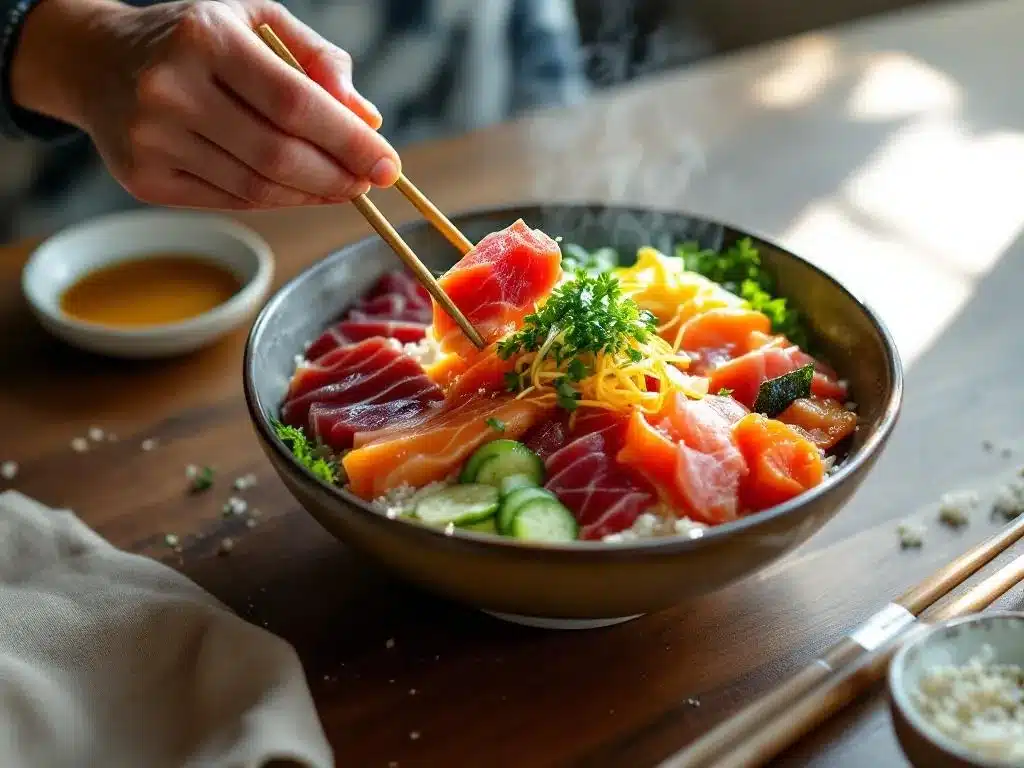
Step-by-Step: How to Make a Chirashi Bowl at Home
Craving a restaurant-style Chirashi Bowl but want to make it in your own kitchen? Good news—it’s easier than you think! With the right tips, you can create a stunning sushi bowl packed with fresh flavor and vibrant color. Whether you’re new to Japanese rice bowls or already a sushi fan, this guide walks you through every step, from prepping sushi rice to arranging toppings like a pro.
How to Prepare Sushi Rice for Chirashi Bowl
Every delicious Chirashi Bowl starts with perfect sushi rice. Use short-grain Japanese rice for the best texture. Rinse the rice under cold water until the water runs clear—this removes extra starch and keeps your rice fluffy, not sticky.
- Cook 2 cups of sushi rice according to package directions or in a rice cooker.
- While the rice cooks, mix 1/4 cup rice vinegar, 2 tablespoons sugar, and 1 teaspoon salt until dissolved.
- Once the rice is done, gently fold in the vinegar mixture with a wooden spatula. Don’t mash—just toss to coat every grain. Let the rice cool to room temperature before assembling your sushi bowl.
How to Slice and Prepare Fish Safely
Using sashimi-grade fish is key for a safe, tasty Chirashi Bowl. Buy from a trusted fishmonger or Japanese market. If you’re unsure, ask if the fish is safe for raw consumption. Always keep fish cold and slice just before serving.
- Use a sharp knife for clean, even slices—about 1/4 inch thick.
- Cut against the grain for tender bites.
- If you prefer, swap in cooked shrimp, crab, or even marinated tofu for a vegetarian sushi bowl.
For more tips on sourcing sushi-grade fish in the US, check our ingredient guide linked in the previous section.
Making Tamagoyaki (Japanese Omelet)
Tamagoyaki adds a sweet, savory layer to your Chirashi Bowl. You’ll need eggs, sugar, soy sauce, and mirin. If you’ve never tried making it, don’t worry—here’s a simple method:
- Beat 3 eggs with 1 tablespoon sugar, 1 teaspoon soy sauce, and 1 teaspoon mirin.
- Pour a thin layer into a nonstick pan over medium heat. Once set, roll it to one side and add more egg mixture. Repeat until all the egg is cooked and rolled up.
- Let cool, then slice into strips or bite-sized pieces.
Want a visual guide? Search for a quick tamagoyaki video—it’s satisfying to watch and helps you get the shape just right.
Vegetable Prep: Slicing, Pickling, and Blanching
The best Chirashi Bowls are loaded with color and crunch. Slice cucumbers, carrots, and radishes thinly. Quick-pickle veggies by soaking them in rice vinegar, sugar, and salt for 10 minutes. For tougher veggies like edamame or asparagus, blanch in boiling water for 1-2 minutes, then plunge into ice water to keep them bright and crisp.
Assembly Guide: Arranging for a Stunning Sushi Bowl
Now comes the fun part—putting it all together! Spoon a generous layer of seasoned sushi rice into your bowl. Arrange your toppings in neat sections or artful clusters. Try to mix colors and textures for a truly eye-catching Chirashi Bowl.
- Fan out slices of salmon, tuna, or yellowtail.
- Add rows of tamagoyaki, avocado, and cucumber.
- Scatter edamame, pickled ginger, and nori strips for contrast.
- Finish with a sprinkle of sesame seeds, tobiko, or microgreens.
For Instagram-worthy presentation, use a shallow bowl and don’t overcrowd the toppings. A drizzle of soy sauce or a dab of wasabi adds the final touch!
| Component | Tip |
|---|---|
| Sushi Rice | Season while warm, cool before serving |
| Fish | Slice just before serving, keep chilled |
| Vegetables | Mix raw, pickled, and blanched for variety |
| Toppings | Layer for color and crunch |
Presentation Tips for a Show-Stopping Chirashi Bowl
Want your homemade Chirashi Bowl to wow your family and friends? Here’s how:
- Use a bright, flat bowl for maximum visual impact.
- Arrange toppings in a circular or rainbow pattern for drama.
- Garnish with fresh shiso leaves, edible flowers, or extra tobiko.
- Snap a photo before digging in—you’ll want to remember this one!
Making a Chirashi Bowl at home is all about creativity. Mix and match your favorite ingredients, try new flavors, and have fun with the process. For more Japanese-inspired recipes or sweet treats, check out our Strawberry Cookies hub for fresh ideas to round out your meal.
With these step-by-step instructions, you’ll be making sushi bowls at home that are just as gorgeous and tasty as anything you’d find in a restaurant. Happy cooking!
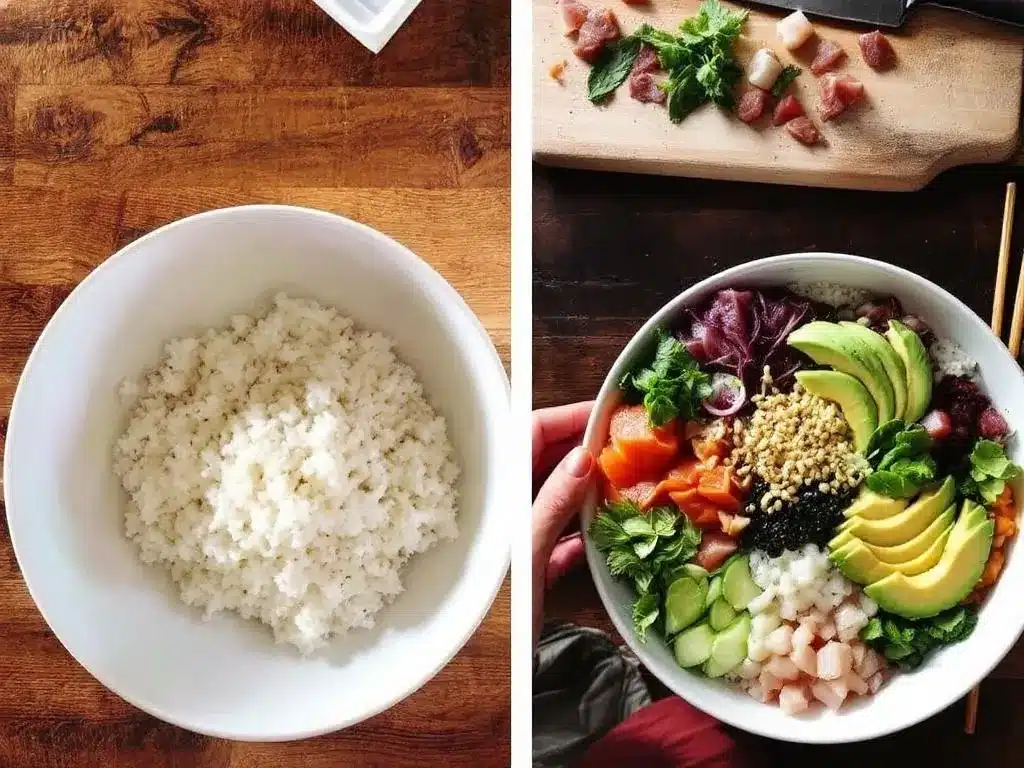
Customizing Your Chirashi Bowl: Dietary, Seasonal, and Fusion Ideas
One of the best things about a Chirashi Bowl is just how easy it is to make it your own. Whether you’re cooking for picky eaters, following a special diet, or simply craving something new, there are endless ways to create a chirashi bowl that fits your taste and lifestyle. Let’s look at how you can mix up your sushi bowl with vegetarian, vegan, gluten-free, seasonal, and fun fusion ideas—plus a few tips for meal prep and family-friendly twists.
Vegetarian and Vegan Chirashi Bowl Options
If you’re skipping seafood or animal products, you don’t have to miss out on a delicious Chirashi Bowl. Sushi rice is naturally vegan, and there are plenty of tasty toppings to choose from. Try marinated tofu cubes, roasted mushrooms, or grilled eggplant for a hearty protein. Avocado, edamame, cucumber, and pickled vegetables add color, crunch, and flavor. Don’t forget garnishes like nori strips, sesame seeds, and shiso leaves for that classic sushi bowl touch.
- Tofu: Firm or silken, marinated in soy sauce and sesame oil
- Mushrooms: Shiitake, oyster, or king trumpet, sautéed or roasted
- Pickled Veggies: Carrots, daikon, or even beets for a pop of color
- Plant-based “seafood”: Try store-bought vegan sashimi or creative homemade options like tomato “tuna”
With these toppings, you’ll have a vegan chirashi bowl that’s just as satisfying as the classic version.
Gluten-Free and Allergy-Friendly Adaptations
Many people wonder if a Chirashi Bowl can be gluten free. Good news: it’s simple to make this dish safe for gluten-sensitive guests! Sushi rice is naturally gluten-free, but watch out for soy sauce and some pickled items. Swap in tamari or coconut aminos, and check ingredient labels for hidden wheat. For allergies, try swapping fish for cooked chicken, shrimp, or even roasted sweet potato. If sesame is a concern, leave off the seeds and use scallions or microgreens instead.
- Gluten-free soy sauce: Tamari or coconut aminos
- Allergy swaps: Cooked proteins, roasted veggies, or tofu
- Nut-free options: Stick with classic toppings like cucumber, avocado, and nori
With a few easy swaps, everyone can enjoy a sushi bowl recipe that fits their needs.
Seasonal Ingredient Swaps for Every Time of Year
One of the joys of making a Chirashi Bowl at home is the chance to use fresh, seasonal produce. In spring, try snap peas, asparagus, and radishes. Summer brings sweet corn, cherry tomatoes, and juicy peaches. For fall and winter, roasted squash, pickled mushrooms, or blanched broccoli work beautifully. Swapping toppings with the seasons keeps your chirashi sushi bowl exciting and budget-friendly.
| Season | Suggested Toppings |
|---|---|
| Spring | Asparagus, snap peas, radishes |
| Summer | Cherry tomatoes, sweet corn, peaches |
| Fall | Roasted squash, carrots, mushrooms |
| Winter | Blanched broccoli, pickled daikon, lotus root |
Mix and match with what’s fresh at your local market for the most flavorful chirashi bowls.
Fusion Chirashi Bowl Ideas: Fun Twists and Global Flavors
Don’t be afraid to get creative! Fusion chirashi bowls are showing up everywhere, blending Japanese tradition with bold new flavors. Add a drizzle of spicy mayo or sriracha for a kick, or toss in pickled jalapeños for a Tex-Mex twist. Kimchi brings a tangy crunch, while poke-style dressings like sesame-soy or wasabi-lime change things up. For a Hawaiian vibe, try pineapple or mango cubes alongside your fish or tofu. These fusion ideas make your sushi bowl recipe truly your own.
- Spicy mayo: Mix mayo with sriracha and a splash of lemon juice
- Poke-inspired: Sesame oil, soy sauce, green onion, and chili flakes
- Kimchi: Adds a lively, probiotic-rich crunch
- Pickled jalapeños: For a spicy, tangy bite
Fusion chirashi bowls are perfect for adventurous eaters and family dinners alike.
Kid-Friendly and Meal-Prep Chirashi Bowls
Kids love bright, build-your-own meals, and the Chirashi Bowl fits the bill. Offer a variety of toppings—like cooked shrimp, teriyaki chicken, or even egg strips—so everyone can make their own sushi bowl. For picky eaters, keep it simple with rice, avocado, and cucumber. These bowls also work great for meal prep: keep rice and toppings separate, then assemble just before eating for the freshest taste. This makes packing lunches or quick dinners a breeze.
- Kid-friendly picks: Cooked fish, egg, avocado, carrots
- Meal-prep tips: Store rice and toppings separately; add sauces just before serving
If you’re looking for more fun meal ideas, check out our Strawberry Cookies recipes for a sweet finish to your sushi night.
With these ideas, your Chirashi Bowl can be as traditional or as playful as you want. From gluten free sushi bowls to vegan chirashi and beyond, the only limit is your imagination. Try a new twist every time, and you’ll never get bored with this colorful, healthy dish.
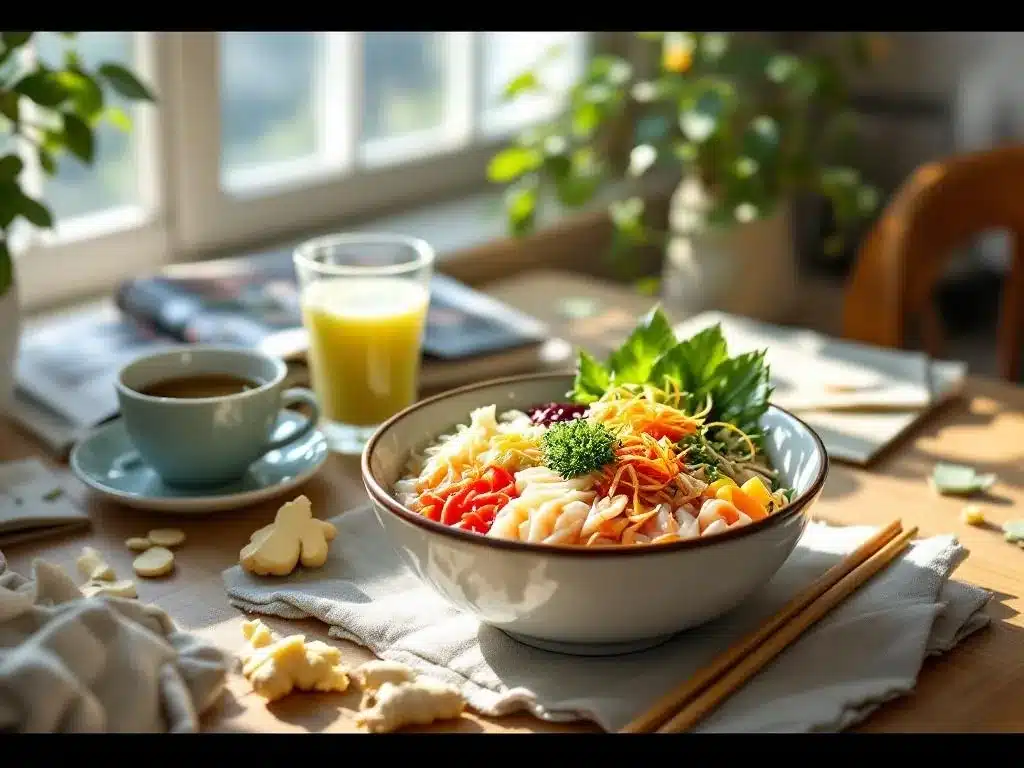
Serving, Storage, and Food Safety Tips for Your Chirashi Bowl
Enjoying a Chirashi Bowl at home is a treat, but getting the most out of your sushi bowl means thinking about how you serve, store, and handle each ingredient—especially raw fish. Whether you’re hosting friends, prepping for a busy week, or just treating yourself, these tips will help you keep your Chirashi Bowl safe, fresh, and delicious from start to finish.
How to Serve Chirashi Bowl: From Solo Meals to Party Platters
There’s no single way to serve a Chirashi Bowl. You can spoon it into individual bowls for a cozy dinner, or arrange everything on a big platter for family-style sharing. For parties, try setting up a “chirashi bar” where everyone builds their own sushi bowl with their favorite toppings. This lets guests pick what they like and works great for picky eaters or kids.
- Individual bowls: Perfect for meal prep or quick lunches.
- Family style: Arrange sushi rice on a platter and scatter toppings for a beautiful, shareable centerpiece.
- Party platters: Offer a variety of toppings and let everyone build their own Chirashi Bowl.
Want your bowl to really stand out? Try arranging ingredients in colorful rows or playful patterns. If you’re looking for more meal ideas, check out our Strawberry Cheesecake Cookies for a sweet finish!
Food Safety: Handling and Storing Raw Fish
Food safety is key when making a Chirashi Bowl, especially with raw fish. In the US, always buy “sushi-grade” or “sashimi-grade” fish from a trusted source. Look for clear eyes and a clean smell. If you’re not using the fish right away, keep it cold—ideally below 40°F—and eat it as soon as possible after slicing.
- Safe handling: Wash your hands, knives, and cutting boards before and after touching raw fish.
- FDA guidelines: The FDA recommends freezing fish at -4°F for at least 7 days to kill parasites. Many stores do this before selling, but ask to be sure.
- Allergy tips: If you or your guests have seafood allergies, offer cooked proteins or tofu as tasty alternatives.
Don’t forget—never let raw fish sit out for more than 2 hours (or 1 hour if it’s hot out). When in doubt, toss it out.
Make-Ahead and Meal Prep Tips
Craving a Chirashi Bowl on a busy night? You can prep many parts in advance! Make your sushi rice and slice veggies the day before. Store them separately in airtight containers in the fridge. Only slice fish right before serving for the best taste and safety.
| Component | Prep Ahead? | Storage Tips |
|---|---|---|
| Sushi Rice | Yes (up to 1 day) | Cool quickly, cover, refrigerate |
| Vegetables | Yes (1-2 days) | Store in airtight containers |
| Fish | No | Slice just before serving |
| Garnishes | Yes | Keep dry until ready to use |
For meal prep, keep rice and toppings in separate containers and assemble just before eating. This keeps everything tasting fresh and keeps the rice from getting soggy.
Storing Leftovers Safely
Leftovers from your Chirashi Bowl should be handled with care. As a rule, raw fish should not be stored once it’s been served with rice. If you have leftover rice or veggies, refrigerate them right away and eat within 24 hours. If you have leftover fish that’s not been mixed with rice, keep it tightly wrapped and eat within a day.
- Never store assembled Chirashi Bowl with raw fish for later. The rice can grow bacteria quickly at room temperature.
- When reheating rice, sprinkle with a little water and cover to bring back softness.
- If you want to make ahead, use cooked seafood or tofu instead of raw fish for safer storage.
Best Practices for US Home Cooks
Making a Chirashi Bowl at home is fun, but always put safety first. Buy sushi-grade fish, keep it cold, and eat it soon after preparing. Follow FDA guidelines for freezing if you’re unsure about your fish source. For those who want to skip raw fish, try cooked shrimp, smoked salmon, or even roasted veggies for a delicious twist.
With these tips, you can enjoy your Chirashi Bowl with confidence, knowing every bite is as safe as it is tasty.
Chirashi Bowl FAQs: Expert Answers to Common Questions
What’s the Difference Between Chirashi Bowl and Poke?
Many people wonder about the difference between a Chirashi Bowl and poke. While both are colorful rice bowls topped with fish and veggies, they come from different traditions. Chirashi Bowl, also called chirashizushi, is a Japanese rice bowl with sushi rice topped with an assortment of sashimi and garnishes. Poke, on the other hand, is a Hawaiian dish, usually featuring marinated cubes of raw fish (like tuna or salmon) over plain rice, and often includes seaweed, onions, and bold sauces. If you’re craving something closer to sushi, Chirashi Bowl is your pick. For a flavor-packed, saucy bowl, poke might be more your style.
Can You Make Chirashi Without Raw Fish?
Absolutely! You don’t need raw fish to enjoy a Chirashi Bowl. Many people use cooked shrimp, crab sticks, or even grilled eel. For a vegetarian chirashi, try tofu, mushrooms, or avocado. The key is to use sushi rice and a mix of colorful toppings. This makes it a great option for families, picky eaters, or anyone who prefers their seafood cooked.
What’s the Best Rice for Chirashi Bowl?
Short-grain Japanese rice is the classic choice for a Chirashi Bowl. It’s sticky and slightly sweet, perfect for holding toppings in place. Be sure to season the rice with a mix of rice vinegar, sugar, and salt for that signature sushi rice flavor. If you can’t find Japanese rice, look for “sushi rice” at most grocery stores in the US. Avoid long-grain rice, as it won’t have the right texture.
Is Chirashi Bowl Healthy?
Yes, Chirashi Bowl can be a healthy meal! It’s packed with lean protein from fish, lots of fresh veggies, and healthy carbs from rice. You can make it even lighter by using brown rice or adding extra greens. Just watch out for high-sodium soy sauce or mayo-based sauces if you’re watching your salt or calories. For more healthy meal ideas, check out our Strawberry Cookies collection, perfect for a sweet treat that won’t weigh you down.
How Do You Pronounce Chirashi?
Chirashi is pronounced “chee-rah-shee.” The word means “scattered,” referring to how the ingredients are artfully scattered over the rice.
Can I Use Cooked Fish or Seafood?
Of course! Cooked shrimp, crab, eel (unagi), or even seared salmon work well in a Chirashi Bowl. This is a popular option for those new to sushi or for kids. Just slice the cooked seafood into bite-sized pieces and arrange them on your seasoned rice. You can also add tamagoyaki (Japanese omelet) for extra protein and flavor.
How Do I Make Chirashi Bowl Kid-Friendly?
If you’re making Chirashi Bowl for kids, try using cooked proteins like shrimp, crab sticks, or even grilled chicken. Add fun toppings like cucumber slices, avocado, or carrots cut into shapes. Let kids help assemble their own bowls—it’s a great way to get them excited about trying new foods. For more family-friendly recipes, you might enjoy our Strawberry Shortcake Cookies, which are always a hit with little ones.
More Questions About Chirashi Bowl?
Still curious? If you have more questions about making a Chirashi Bowl, choosing ingredients, or adapting the recipe for your needs, leave a comment below! We’re happy to help you create your perfect sushi bowl at home.
Frequently Asked Questions
What’s the difference between a Chirashi Bowl and a Poke Bowl?
Both Chirashi Bowl and poke bowl are popular Japanese-style rice bowls, but they have distinct origins, ingredients, and preparation methods. Chirashi (meaning “scattered sushi” or chirashizushi) is a traditional Japanese dish featuring seasoned sushi rice topped with a colorful variety of sashimi-grade fish, seafood, vegetables, and garnishes. It’s rooted in Japanese sushi culture and often highlights classic toppings like tamagoyaki (Japanese omelet), pickled vegetables, and ikura (salmon roe).
In contrast, poke bowls originated in Hawaii and typically use marinated raw fish (often tuna or salmon) served over plain or lightly seasoned rice, along with tropical and fusion toppings like avocado, seaweed salad, edamame, and spicy mayo. Poke bowls tend to have bolder, often spicy flavors and incorporate influences from Japanese, Korean, and Hawaiian cuisines.
Key differences:
- Rice: Chirashi uses seasoned sushi rice; poke uses plain or lightly seasoned rice.
- Fish: Chirashi features sliced sashimi; poke uses cubed, marinated fish.
- Toppings: Chirashi includes traditional Japanese garnishes; poke features fusion and tropical toppings.
- Flavor profile: Chirashi is subtle and balanced; poke is often bold and spicy.
Where can I buy sushi-grade fish in the US for Chirashi Bowls, and what are safe alternatives?
Finding sushi-grade fish for homemade Chirashi Bowls is crucial for both safety and flavor. In the US, look for reputable sources such as Japanese or Asian grocery stores (e.g., Mitsuwa, H Mart, Marukai), specialized seafood markets, or high-quality online retailers (like Catalina Offshore or Fulton Fish Market) that specifically label fish as “sushi-grade” or “sashimi-grade.”
Tips for sourcing and safety:
- Choose fish labeled “sushi-grade” or “previously frozen for raw consumption.” The FDA recommends freezing fish at -4°F (-20°C) for at least 7 days to kill parasites.
- Ask your fishmonger about handling and freezing practices.
- For hard-to-find varieties, consider high-quality frozen sashimi packs from trusted online retailers.
- If you have allergies or dietary restrictions, substitute with cooked seafood (shrimp, crab), tofu, or marinated mushrooms for a vegetarian Chirashi Bowl.
Pro Tip: Always keep raw fish cold, assemble your Chirashi Bowl just before serving, and avoid storing leftovers with raw seafood to minimize food safety risks.
How can I make a Chirashi Bowl gluten-free, vegetarian, or allergy-friendly?
Customizing your Chirashi Bowl for dietary needs is easy and delicious:
- Gluten-Free: Use gluten-free soy sauce or tamari. Double-check that your rice vinegar and pickled ginger are gluten-free. Avoid imitation crab (surimi), which may contain wheat.
- Vegetarian/Vegan: Replace fish with tofu, seasoned mushrooms, avocado, marinated tempeh, or pickled vegetables. Tamagoyaki (Japanese omelet) adds protein for vegetarians. For vegan bowls, skip egg and use plant-based garnishes like edamame, pickled daikon, and microgreens.
- Allergy-Friendly: Avoid sesame seeds, soy, or shellfish as needed. Substitute with allergy-safe proteins (cooked chicken, beans) and use rice alternatives if necessary.
Seasonal variations: Swap in roasted squash, asparagus, or sweet potato in fall/winter, and fresh tomatoes, snap peas, or corn in spring/summer. This keeps your bowl vibrant and aligned with what’s freshest at your local market.
What are the best practices for storing Chirashi Bowls and handling leftovers safely?
Food safety is essential when making Chirashi Bowls at home, especially with raw fish:
- Serve immediately: For the best flavor and safety, assemble and serve Chirashi Bowls right after preparing the ingredients.
- Make-ahead tips: Prep sushi rice, vegetables, and garnishes in advance. Store raw fish separately in the coldest part of your fridge and assemble just before eating.
- Leftover storage: If you must store leftovers, keep raw fish and rice in separate airtight containers. Consume within 24 hours and check for any off smells or textures before eating. Do not refreeze thawed fish.
- Safe handling: Wash hands and utensils thoroughly. Follow FDA guidelines for purchasing and storing raw fish.
Note: If you’re packing Chirashi for lunch or meal prep, use only cooked proteins and vegetables, and keep everything chilled with ice packs.
Can you make Chirashi Bowls without raw fish or for kids?
Absolutely! Chirashi Bowls are highly customizable and can be made without raw fish for those who prefer cooked ingredients or are serving children.
- Cooked proteins: Try cooked shrimp, crab, grilled salmon, teriyaki chicken, or even roasted tofu for a delicious alternative.
- Kid-friendly ideas: Use fun shapes for vegetables (like flower-cut carrots or star-shaped cucumbers), sweet tamagoyaki, and familiar cooked proteins. Let kids help assemble their own bowls for a hands-on meal.
- Vegetarian/vegan options: Load up with colorful veggies, edamame, pickled radish, and avocado.
Tip: For picky eaters, offer toppings and sauces on the side so everyone can build their own perfect Chirashi Bowl.
PrintChirashi Bowl
A Chirashi Bowl is a vibrant Japanese dish featuring sushi rice topped with an assortment of fresh sashimi, vegetables, and garnishes. It’s a colorful, customizable, and healthy way to enjoy all the flavors of sushi in one bowl.
- Prep Time: 25 minutes
- Cook Time: 20 minutes
- Total Time: 45 minutes
- Yield: 4 servings 1x
- Category: Main Course
- Cuisine: Japanese
Ingredients
- 2 cups sushi rice
- 2 1/2 cups water
- 1/4 cup rice vinegar
- 2 tablespoons sugar
- 1 teaspoon salt
- 6 ounces sashimi-grade tuna, sliced
- 6 ounces sashimi-grade salmon, sliced
- 4 ounces cooked shrimp, peeled and deveined
- 1/2 cucumber, thinly sliced
- 1/2 avocado, sliced
- 1/2 cup shredded carrots
- 1/4 cup pickled ginger
- 2 tablespoons toasted sesame seeds
- 2 sheets nori, cut into thin strips
- 2 tablespoons soy sauce
- 1 tablespoon wasabi
- 2 scallions, thinly sliced
Instructions
- Rinse the sushi rice under cold water until the water runs clear. Drain well.
- Combine the rice and water in a rice cooker or saucepan. Cook according to rice cooker instructions or bring to a boil, then cover and simmer for 18 minutes. Remove from heat and let stand, covered, for 10 minutes.
- In a small saucepan, combine rice vinegar, sugar, and salt. Heat gently, stirring, until sugar and salt dissolve. Do not boil.
- Transfer the cooked rice to a large bowl. Gently fold in the vinegar mixture with a spatula or wooden paddle. Let the rice cool to room temperature.
- Prepare the toppings: slice the sashimi-grade fish, shrimp, cucumber, avocado, and scallions.
- Divide the sushi rice among 4 bowls.
- Arrange the fish, shrimp, cucumber, avocado, carrots, and pickled ginger artfully on top of the rice.
- Sprinkle with toasted sesame seeds, nori strips, and scallions.
- Serve with soy sauce and wasabi on the side.
Notes
For best results, use the freshest sashimi-grade fish available. Feel free to substitute or add toppings such as tamago (Japanese omelet), shiitake mushrooms, or edamame. For a vegetarian version, use marinated tofu and assorted vegetables instead of fish.
Nutrition
- Serving Size: 1 bowl (about 2 cups rice with toppings)
- Calories: 480
- Sugar: 8
- Sodium: 900
- Fat: 10
- Saturated Fat: 2
- Carbohydrates: 70
- Fiber: 5
- Protein: 28
Keywords: chirashi bowl, chirashizushi, sushi bowl, Japanese rice bowl, sashimi, healthy, seafood, sushi rice