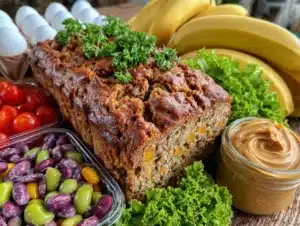
It was the middle of my first semester in college, and my bank account was screaming. I had about $20 left for the week and a fridge that looked like a ghost town. I was determined not to live off instant noodles or sad cafeteria food. So, I grabbed a notepad, opened my phone’s calculator app, and started piecing together a grocery list that wouldn’t break the bank but would keep me fueled through long study nights and early morning classes.
After testing and tweaking this grocery list for weeks, I finally cracked the code. This grocery list for $20 a week college students is exactly what I use when I’m on a tight budget but still want real, satisfying meals. It’s packed with budget-friendly essentials that stretch far beyond just one meal, making every dollar count. Plus, I’ve included honest tips to avoid common money-wasting mistakes. Trust me, this isn’t just some theoretical list—I’ve lived it, and I’ve shared it with friends who swear by it now.
Whether you’re a broke freshman or a grad student counting every cent, this grocery list will help you shop smart without feeling like you’re sacrificing taste or nutrition.
Why You’ll Love This Grocery List for $20 a Week College Students
This grocery list has totally changed how I approach feeding myself during the craziness of college life.
- Budget-Friendly Staples — Every item on this list is chosen because it offers the best bang for your buck. I’m talking about ingredients that can be used in multiple meals, so nothing gets wasted.
- Meal Flexibility — With these essentials, you can whip up everything from a quick pasta dinner to a filling rice bowl. I’ve crafted this so you can mix and match based on what you’re craving or what’s on sale.
- Easy to Find — No need for specialty stores or hard-to-find ingredients. This list sticks to what you’ll see in any grocery store, so you’re not hunting down weird items when you’re already stressed.
- Nutritious Enough to Fuel Your Brain — I’ve included protein, fiber, and veggies (frozen ones count!) because late-night study sessions need fuel that lasts.
- Perfect for Weeknight Cooking — This is my go-to for weeknight meals when I don’t have the time or energy to fuss. You can even use these ingredients in quick recipes like this easy 15-minute spaghetti aglio olio or creamy tuna pasta if you want to stretch your meals.
Real talk: This list isn’t glamorous, but it’s reliable. It’s what keeps me from eating cereal for dinner every night and helps me make it to the weekend without starving or overspending.
What You’ll Need: The $20 Grocery List Essentials
Here’s the best part: you probably already have some of these staples at home or in your dorm pantry. These are the essentials I always pick up for under $20, and they’re the backbone of my budget-friendly meals.
- Dry Pasta (1 lb / 450g) — This is my go-to carb because it’s cheap, filling, and cooks fast. Barilla or store brands work just fine.
- Rice (1 lb / 450g) — White or brown, whichever you prefer. I like brown for extra fiber, but white cooks quicker and is often cheaper.
- Canned Beans (2 cans, 15 oz / 425g each) — Pinto, black, or chickpeas. Great protein and fiber source, plus super versatile for soups, salads, or rice bowls.
- Frozen Mixed Vegetables (1 lb / 450g) — Frozen is cheaper and lasts longer than fresh. I always grab a bag of mixed veggies to add color and nutrients.
- Eggs (1 dozen) — A protein powerhouse that’s cheap and cooks in a million ways.
- Peanut Butter (16 oz / 454g jar) — Another budget-friendly protein and fat source that lasts ages. Great for snacks and quick breakfasts.
- Milk or Plant-Based Milk (1 quart / 1 liter) — For cooking, cereal, or drinking. Choose whatever fits your budget and preference.
- Loaf of Bread — For sandwiches, toast, or quick snacks. Whole wheat if you can swing it.
- Onions (2 medium) — Cheap flavor booster that’s the base of many meals.
- Garlic (1 bulb) — A must-have for boosting flavor without extra calories or cost.
- Tomato Sauce (1 can, 15 oz / 425g) — Perfect for pasta or rice bowls, and a great pantry staple.
Optional but budget-friendly extras:
- Bananas (3-4) — For quick energy and snacks.
- Cheese block (8 oz / 225g) — If your budget allows, a little cheese goes a long way in jazzing up simple meals.
Equipment Needed
You don’t need anything fancy for this. Here’s what I actually use, and trust me—it’s all super basic stuff every college student probably already has or can borrow.
- Medium Saucepan — For boiling pasta or rice. A 2-quart size is perfect.
- Non-stick Skillet — For sautéing veggies and eggs. Non-stick makes cleanup easier, especially when you’re tired.
- Basic Knife — For chopping onions, garlic, and whatever else you throw in.
- Cutting Board — No excuses here.
- Can Opener — Essential for all those canned beans and tomato sauce.
- Mixing Spoon or Spatula — For stirring and flipping.
Optional but useful:
- Colander — Makes draining pasta and rinsing beans easier, though a slotted spoon can work if you don’t have one.
How to Use This Grocery List for $20 a Week College Students
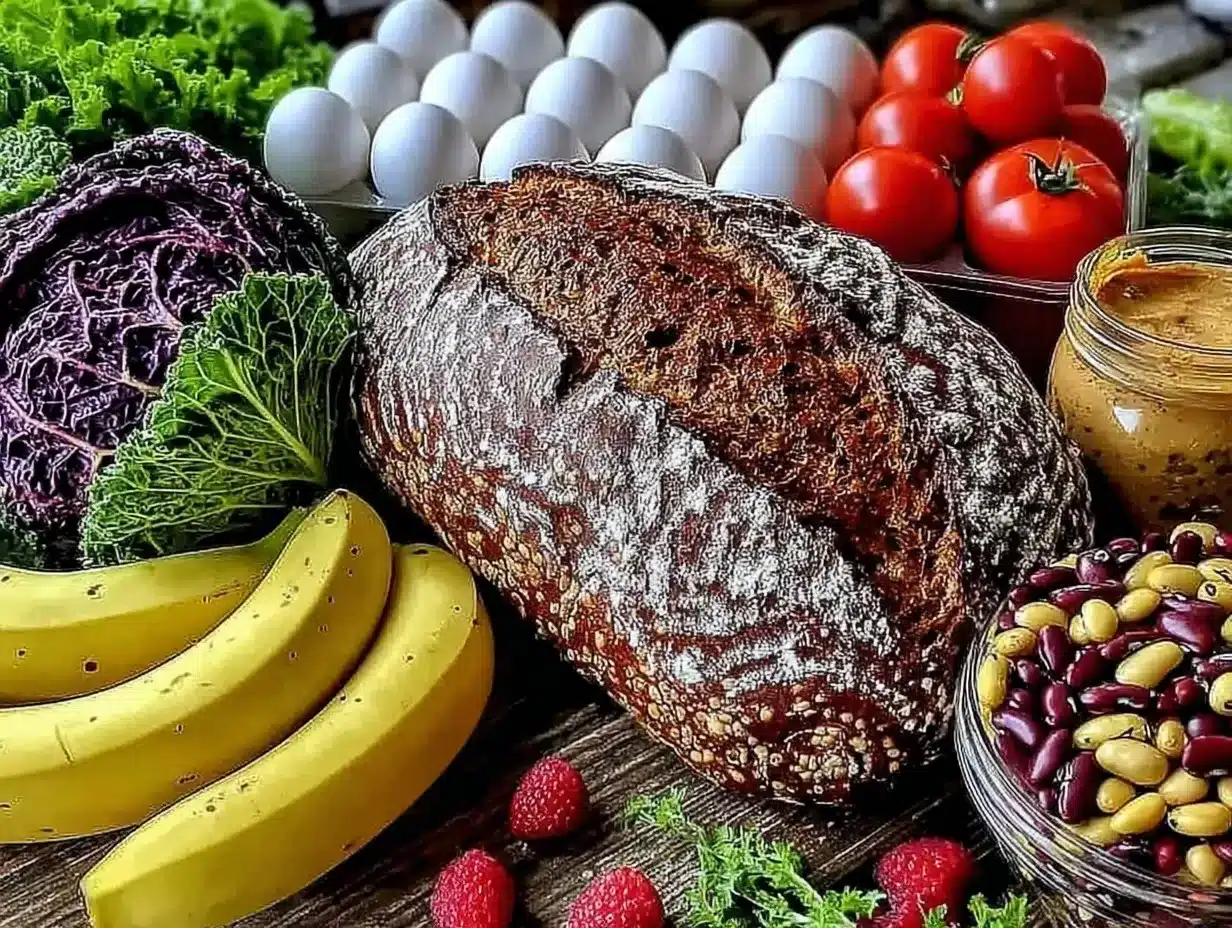
Alright, let’s get into it. I’ll walk you through exactly how I use this grocery list to plan and cook meals that stretch through a whole week without feeling like I’m eating the same thing on repeat.
- Plan Your Meals Around Staples — Pasta and rice are the foundation. Cook them in batches early in the week and store leftovers in the fridge for easy lunches or dinners.
- Use Beans for Protein — Rinse canned beans and add them to pasta sauce or rice bowls. They’re filling and keep your meals balanced.
- Cook Veggies from Frozen — Toss frozen mixed veggies into your skillet with some garlic and onions for a quick side or mix-in. No chopping required and no waste.
- Eggs for Breakfast or Dinner — Scrambled, fried, or boiled—eggs are a quick protein fix. I even add them to rice bowls or pasta for extra substance.
- Stretch Peanut Butter for Snacks — Use it on bread or with bananas for a filling snack that keeps you going between classes.
- Use Tomato Sauce Creatively — Beyond pasta, tomato sauce is great for simmering beans or turning rice into a quick stew.
- Mix and Match — Combine different staples so you don’t get bored. For example, one night you might do pasta with tomato sauce and beans, the next rice with sautéed veggies and eggs.
By prepping some ingredients ahead and thinking creatively, this grocery list turns into a week’s worth of meals that won’t feel like a chore to eat.
Expert Tips & Tricks for Grocery Shopping on a $20 Budget
Here’s everything I’ve figured out from managing this grocery list dozens of times. These tips will save you from the common pitfalls of budget shopping and cooking.
- Buy Store Brands — They’re almost always cheaper and taste just as good. I’ve tried name brands and saved by switching to store labels without noticing a difference.
- Check Unit Prices — Sometimes a bigger package isn’t a better deal. Look at the price per ounce or pound to make sure you’re getting the best value.
- Freeze Leftovers — If you cook a big batch of rice or pasta, freeze portions you won’t eat in the next few days. It prevents waste and saves you from extra cooking.
- Don’t Skip the Garlic and Onion — They’re cheap flavor bombs that make simple meals taste homemade rather than bland dorm food.
- Use Eggs Creatively — Beyond breakfast, eggs are amazing in fried rice, pasta, or even on toast with peanut butter (don’t knock it until you try).
- Don’t Forget to Salt Your Cooking Water — It sounds small, but it makes pasta and rice taste so much better. It’s an easy trick to avoid bland meals.
Variations & Substitutions for Different Diets and Occasions
Once you’ve got the basics down, here’s how I switch things up depending on budget, dietary needs, or just what I’m in the mood for.
- Vegetarian Version — This whole list is naturally vegetarian, but if you want extra protein, add tofu or cottage cheese when your budget allows.
- Gluten-Free Swap — Substitute rice or gluten-free pasta instead of regular pasta. I’ve had friends successfully use brown rice pasta without noticing much difference.
- Meal Prep Friendly — Cook big batches of rice and pasta and portion into containers for grab-and-go meals during busy weeks or exam days.
- For a Quick Dinner — Use these staples to make dishes like crispy chicken fried rice or spaghetti aglio olio if you have a bit more protein on hand.
- Budget Stretchers — Add in seasonal veggies or frozen greens when they’re on sale to boost nutrition without busting your budget.
Serving & Storage
I usually serve these simple meals straight from the pot or skillet. It’s rustic, saves dishes, and keeps food warm longer.
Here are my favorite sides and storage hacks:
- Side Suggestions: Garlic toast made with your loaf of bread is a no-brainer. A quick green salad with whatever veggies you have on hand adds freshness. Roasted broccoli or carrots (if affordable) are great for feeling a bit fancy.
- Storage: Store leftovers in airtight containers in the fridge for up to 4 days. Rice and pasta thicken as they cool—that’s normal.
- Reheating: Best method is to reheat on the stove with a splash of milk or water to loosen things up. Microwave works in a pinch but stir often.
- Freezing: Cooked rice and beans freeze well, but pasta with sauce can get mushy after thawing. Freeze components separately if possible.
Nutrition Information
I’m not a nutritionist, but here’s the rough breakdown if you’re keeping track. This list is designed for six servings worth of meals over the week.
| Calories | Protein (g) | Carbs (g) | Fiber (g) | Sugar (g) | Fat (g) | Saturated Fat (g) | Sodium (mg) |
|---|---|---|---|---|---|---|---|
| 350 | 15 | 50 | 8 | 6 | 8 | 2 | 400 |
Look—this is about balance, not perfection. It’s solid comfort food that fuels long days, costs less than takeout, and keeps you full. When I want something lighter, I pile on more veggies or swap in plant-based milk. Most weeks, this list keeps me fed and sane.
Final Thoughts
Remember that first week of college when I was scrambling to feed myself on $20? This list saved me from living on junk and helped me actually enjoy cooking again—even in a tiny dorm kitchen. Make it yours. Add more garlic if that’s your jam. Throw in whatever fresh or frozen veggies you find on sale. Swap out beans for canned chicken if you’re feeling fancy. The key is flexibility.
If you try this grocery list, drop a comment and tell me how it went. And if something goes sideways—maybe you couldn’t find an ingredient or your meal felt boring—I want to hear that too. That’s what the comments are for, and I’m here to help.
Happy cooking—I hope your kitchen smells amazing.
Frequently Asked Questions
Q: Can I make this grocery list for $20 a week college students without eggs?
A: Yes, you can skip eggs if you’re vegan or allergic, but you’ll need to replace that protein elsewhere—canned beans are your best bet. I’ve done this when friends visited, and it works as long as you add a bit more beans or tofu if your budget allows.
Q: Why did my meals turn out watery or bland when using these ingredients?
A: Watery meals usually mean too much liquid or under-seasoning. Salt your pasta and rice water like seawater, and don’t be shy with spices or garlic. Blandness often comes from skipping onions or garlic—those are flavor essentials. I’ve been there; once I added those back, everything improved instantly.
Q: Can I make this grocery list for $20 a week college students ahead for a busy week?
A: Absolutely. Cook big batches of rice, pasta, and beans early in the week, then portion them into containers. This works great for meal prep Sunday or when you have a busy exam week. Just reheat with a splash of water or milk to keep things creamy and fresh.
Q: How can I adapt this grocery list if I need gluten-free or dairy-free options?
A: For gluten-free, swap regular pasta for gluten-free or rely more on rice. For dairy-free, use plant-based milk instead of cow’s milk and skip cheese or replace it with nutritional yeast if you have it. I’ve helped friends do this, and it’s surprisingly easy without losing much flavor.
Q: Can I double this grocery list if I want to feed more people?
A: Yes, doubling works fine, but watch your fridge space and storage containers. Cooking in batches saves time and money, but make sure you freeze or refrigerate leftovers promptly to avoid waste. I doubled it once for a study group, and it was a lifesaver.
Q: What’s the best way to use peanut butter on this grocery list?
A: Peanut butter is great on toast or with fruit like bananas for quick snacks. You can also stir a spoonful into sauces or mix it into oatmeal if you have it. I’ve even used it in simple stir-fries for a Thai-inspired twist when I’m feeling adventurous.
Q: Can I swap frozen veggies for fresh ones on this list?
A: Yes, but frozen veggies are usually cheaper and last longer, which is why I recommend them for budget shopping. If fresh veggies are on sale, grab whatever looks good and adjust cooking times accordingly. Fresh onions and garlic will always boost flavor no matter what.
Pin This Recipe!
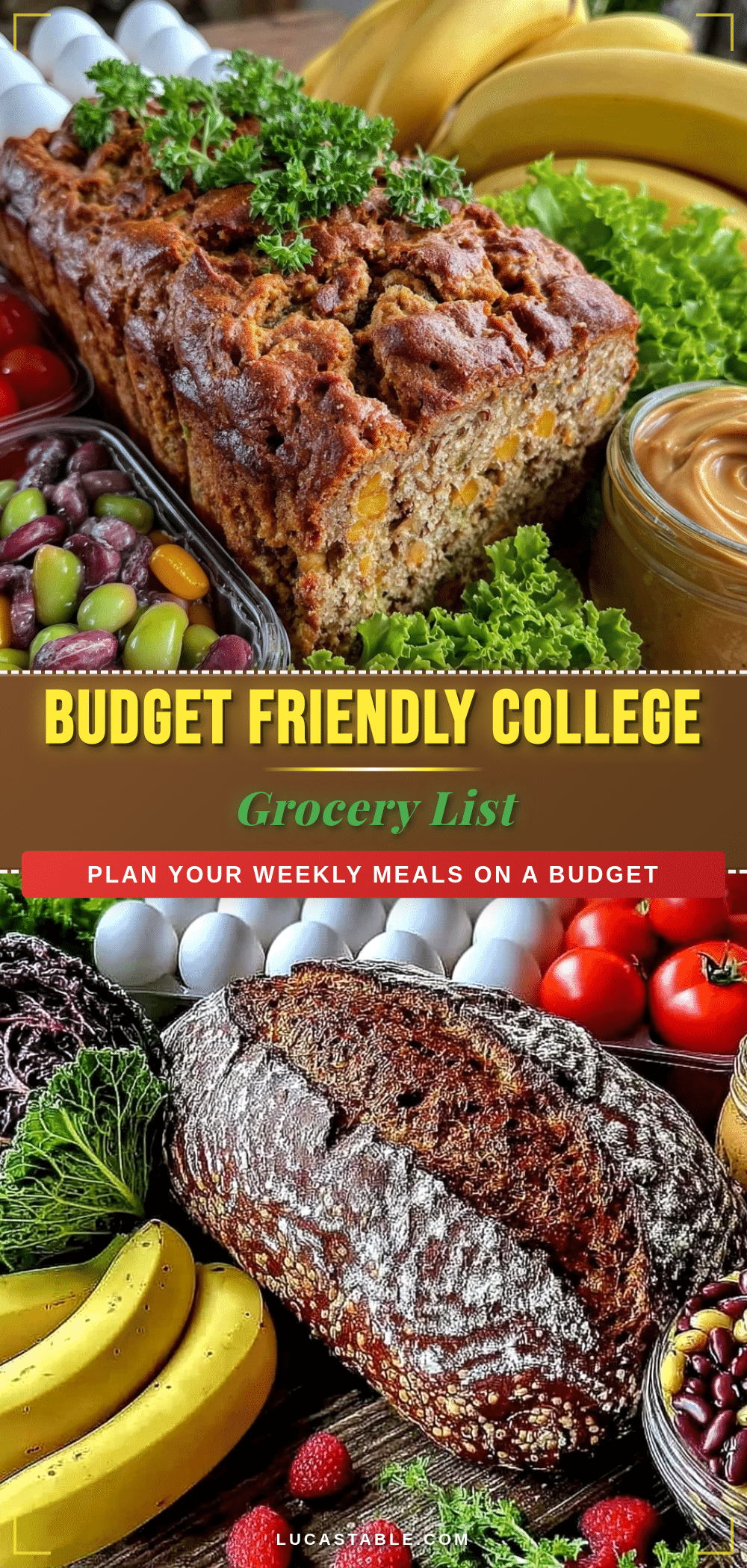
Grocery List for $20 a Week College Students Easy Budget-Friendly Essentials
A budget-friendly grocery list designed to feed college students for a week with versatile, nutritious staples that keep meals affordable and satisfying.
- Prep Time: 10 minutes
- Cook Time: 15 minutes
- Total Time: 25 minutes
- Yield: 6 servings
- Category: Main Course
- Cuisine: American
Ingredients
- Dry Pasta (1 lb / 450g)
- Rice (1 lb / 450g)
- Canned Beans (2 cans, 15 oz / 425g each) – pinto, black, or chickpeas
- Frozen Mixed Vegetables (1 lb / 450g)
- Eggs (1 dozen)
- Peanut Butter (16 oz / 454g jar)
- Milk or Plant-Based Milk (1 quart / 1 liter)
- Loaf of Bread (whole wheat preferred)
- Onions (2 medium)
- Garlic (1 bulb)
- Tomato Sauce (1 can, 15 oz / 425g)
- Optional: Bananas (3-4)
- Optional: Cheese block (8 oz / 225g)
Instructions
- Plan your meals around staples like pasta and rice by cooking them in batches early in the week and storing leftovers in the fridge.
- Rinse canned beans and add them to pasta sauce or rice bowls for protein and fiber.
- Cook frozen mixed vegetables by sautéing them with garlic and onions for a quick side or mix-in.
- Use eggs scrambled, fried, or boiled for breakfast or dinner; add to rice bowls or pasta for extra protein.
- Stretch peanut butter for snacks by spreading on bread or pairing with bananas.
- Use tomato sauce creatively for pasta, rice stews, or simmering beans.
- Mix and match ingredients to keep meals varied, such as pasta with tomato sauce and beans or rice with sautéed veggies and eggs.
Notes
[‘Buy store brands to save money without sacrificing taste.’, ‘Check unit prices to get the best value per ounce or pound.’, ‘Freeze leftovers of rice and beans to prevent waste; freeze pasta and sauce separately to avoid mushiness.’, ‘Always salt your pasta and rice cooking water to enhance flavor.’, ‘Use garlic and onions liberally to boost flavor without extra cost.’, ‘Eggs can be used creatively beyond breakfast, such as in fried rice or on toast with peanut butter.’]
Nutrition
- Serving Size: One serving (approxi
- Calories: 350
- Sugar: 6
- Sodium: 400
- Fat: 8
- Saturated Fat: 2
- Carbohydrates: 50
- Fiber: 8
- Protein: 15
Keywords: budget grocery list, college meals, cheap meals, easy recipes, meal prep, budget-friendly, student cooking, affordable groceries