When I moved into my first apartment, I had zero clue how to cook. Seriously, I survived mostly on takeout and cereal for the first week. One night, staring at a sad bag of frozen veggies and a lonely chicken breast, I decided to try something new. What came out of that little experiment was surprisingly tasty—and way easier than I expected. That’s how I stumbled on beginner cooking for first apartment life, with easy tasty recipes that don’t require fancy gadgets or crazy ingredients.
I’ve tested these recipes more times than I can count because, trust me, the last thing you want after a long day is a complicated dinner. These beginner cooking recipes are exactly what I wish I’d had back then: simple, quick, and forgiving. Whether you’re juggling work, school, or just figuring out adulting, these recipes are designed to get you comfortable in your kitchen fast.
This post is packed with easy tasty recipes to try now, perfect for first-timers and anyone who’s a little intimidated by the kitchen. I’ll share my honest tips, common pitfalls to avoid, and even some shortcuts that actually work. Ready to stop ordering delivery every night? Let’s get cooking.
Why You’ll Love This Beginner Cooking for First Apartment Recipe Guide
This guide has completely changed how I approach dinner when time and energy are tight. No fancy skills, no expensive ingredients, just real food that tastes good and builds your confidence.
- Simple Enough for Absolute Beginners — If you can chop an onion and boil water, you’re already halfway there. I remember teaching my roommate to make her first pasta dish over FaceTime, and she nailed it.
- Fast and Flexible — These recipes come together in 20 to 30 minutes tops. Perfect for busy weeknight family meals or when you just want something filling without fuss.
- Pantry-Friendly Ingredients — You probably have most of the basics already—olive oil, garlic, pasta, canned tomatoes. No need for specialty stores or expensive trips.
- Builds Kitchen Confidence — Each recipe is designed to teach a key skill (like sautéing, simmering, or seasoning) so you feel less overwhelmed and more like a pro. That confidence spills over into other meals, too.
- Great for Meal Prep and Leftovers — These dishes taste even better the next day. I like making extra so I don’t have to cook every single night during the week.
This beginner cooking for first apartment guide is my go-to for setting up quick weeknight dinners that feel homemade, even if you’re brand new to the kitchen. No complicated steps, no weird ingredients—just tasty, reliable recipes that make your space feel like home.
Essential Ingredients for Beginner Cooking in Your First Apartment
Here’s the best part: you probably have most of these ingredients on hand or can easily grab them on your next grocery run. I’m picky about quality when it counts, but I’ll also suggest budget-friendly swaps.
- Olive Oil (1/4 cup / 60 ml) — The base for almost every recipe here. I always keep a bottle of extra virgin olive oil for flavor and a cheaper light olive oil for cooking to save money.
- Garlic (4 cloves, minced / about 1 tablespoon) — Fresh garlic makes all the difference. If you’re short on time, pre-minced in a jar works but isn’t quite as vibrant.
- Onion (1 medium / about 150g) — Yellow or white onions both work well. I dice mine fine so they cook evenly and add sweetness.
- Dried Pasta (8 ounces / 225g) — Any shape you like. I usually keep spaghetti or penne because they’re versatile and cook quickly.
- Canned Tomatoes (14 ounces / 400g) — Whole peeled or crushed. I prefer San Marzano style for their sweetness and low acidity.
- Salt and Black Pepper — Essential for seasoning. I salt pasta water like seawater, seriously—it makes a huge difference.
- Parmesan Cheese (optional, 1/2 cup / 50g, freshly grated) — If you want to elevate the flavor, a little Parmesan goes a long way. Freshly grated is worth the effort.
Equipment Needed
You don’t need anything fancy for beginner cooking in your first apartment. Here’s what I actually use and recommend:
- Medium-Sized Pot — For boiling pasta and veggies. A 3-quart pot is perfect without taking up too much space.
- Non-Stick Skillet — A 10-inch skillet works great for sautéing onions, garlic, and making sauces. Non-stick helps with easy cleanup.
- Chef’s Knife — Sharp and comfortable to hold. It makes chopping onions and garlic way less painful.
- Cutting Board — I have a plastic one that’s easy to wash. Bonus if it has a groove to catch juices.
- Colander — For draining pasta. Get a plastic one with handles—super sturdy and dishwasher safe.
- Measuring Cups and Spoons — Not glamorous but essential for beginners. I recommend a set you can keep right by your prep space.
Optional but useful:
- Garlic Press — Saves time mincing. Mine’s from IKEA and costs under $5.
- Box Grater — For fresh Parmesan or zesting lemons.
How to Make Beginner Cooking for First Apartment Easy Tasty Recipes to Try Now
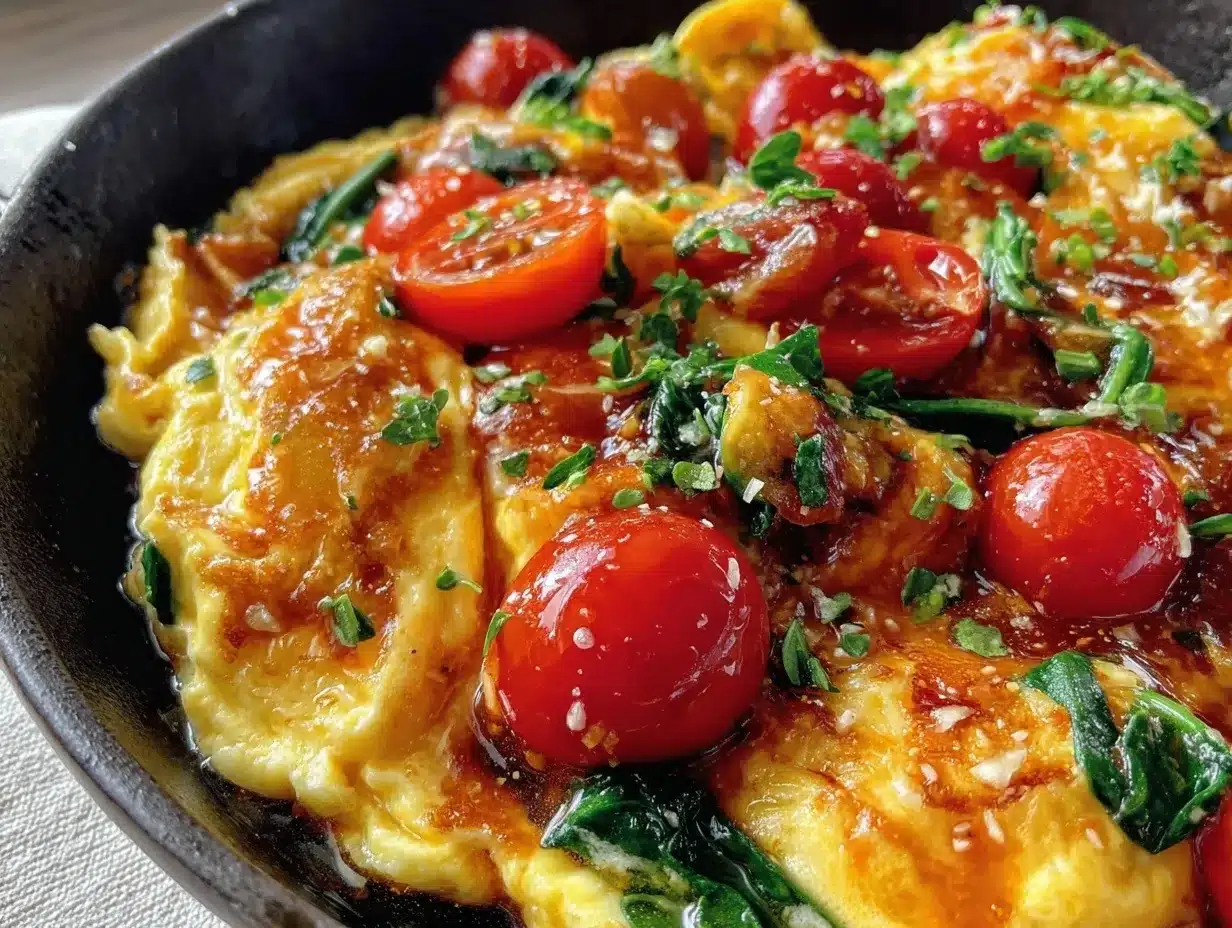
Alright, let’s get into it. I’ll walk you through exactly how I make these beginner cooking recipes, including the small tricks that actually make a difference.
- Step 1: Prep Everything First (5–8 minutes)
Chop your onion and mince the garlic before you turn on the stove. I know it feels like extra work, but once you start cooking, things move fast. Measure out your pasta and have your canned tomatoes ready too—no scrambling mid-cook. This prep step means less stress and better timing. - Step 2: Boil the Pasta (8–10 minutes)
Fill your pot with water and bring it to a rolling boil. Salt it generously—your pasta water should taste like the ocean. Add the pasta and stir occasionally so it doesn’t stick. Cook until just shy of al dente because it will finish cooking in the sauce. The pasta should be tender but still firm to the bite. - Step 3: Sauté Aromatics (5 minutes)
While the pasta cooks, heat olive oil in your skillet over medium heat. Add the diced onion and cook until it looks translucent and smells sweet, about 3 minutes. Add the minced garlic and cook for 1 minute, stirring constantly so it doesn’t brown. The smell is amazing here—this base flavor makes a huge difference. - Step 4: Build the Sauce (10 minutes)
Pour in the canned tomatoes with their juices. Use a spoon or spatula to break them up if whole. Add a pinch of salt and pepper. Let the sauce simmer gently, uncovered, until it thickens and reduces slightly. You want it to coat the back of a spoon, glossy and rich. If it looks watery, keep simmering. If it’s too thick, add a splash of pasta water. - Step 5: Combine Pasta and Sauce (2 minutes)
Drain the pasta, reserving a little pasta water. Toss the pasta into the skillet with the sauce. Stir well to coat every piece. If it seems dry, add a splash of that reserved pasta water to loosen it up and help the sauce cling better. This step is where the magic happens—your meal starts to come together visually and flavor-wise. - Step 6: Finish and Serve (1 minute)
Remove the skillet from the heat and stir in freshly grated Parmesan if you’re using it. The cheese melts into the sauce, adding a creamy, savory finish. Taste and adjust seasoning with more salt or pepper if needed. Serve straight from the pan or plate it nicely with a sprinkle of fresh herbs if you have them.
Total time: about 30 minutes. Roughly 10 minutes active, the rest is simmering and boiling doing the work.
Expert Tips & Tricks for Beginner Cooking in Your First Apartment
Here’s everything I’ve figured out from making this recipe dozens of times. These tips will save you from the mistakes I already made.
- Save Some Pasta Water
This is the single most important tip. That starchy water helps the sauce cling to the pasta instead of just sitting underneath it. I forgot it once and the whole dish felt flat. Now I set out a measuring cup before I even start cooking so I physically can’t forget. - Don’t Rush the Sauté
Cooking the onions and garlic slowly over medium heat brings out their sweetness and mellows their bite. If the garlic browns too fast, the flavor turns bitter. Lower the heat immediately if you see browning and add your tomatoes to stop the cooking. - Use Fresh Parmesan
Pre-grated cheese has additives that make the sauce grainy and clumpy. Grate your own from a block—it takes three minutes and tastes way better. My husband can tell the difference when I’m lazy, and it’s embarrassing but true. - Remove from Heat Before Adding Cheese
High heat makes Parmesan seize up into rubbery clumps. Take the pan completely off the burner, then stir in the cheese gradually. I had to learn this the hard way when my sauce looked like scrambled eggs. - Mistake: Sauce is Watery?
Fix: Simmer longer before adding cheese or you added too much pasta water. A minute more of simmering usually fixes it. - Mistake: Pasta is Mushy?
Fix: Cook it 1–2 minutes less than the package says. It finishes cooking in the sauce and will continue softening even off heat.
Variations & Substitutions for Easy Tasty Recipes
Once you’ve got the base version down, here’s how I mix it up. I’ve actually tried all of these.
- Chicken Version
Add 2 cups diced rotisserie chicken when you add the pasta to the skillet. My husband prefers this one—it feels more like a full meal with minimal effort. If you want a quick chicken recipe, this is a great starter. - Veggie-Packed
Toss in chopped spinach, bell peppers, or mushrooms while the sauce simmers. Great for meal prep Sundays when you want extra veggies without extra hassle. - Lighter Version
Use half-and-half instead of heavy cream if you want a thinner, less rich sauce. It’s not exactly the same but still tasty. I make this when I’m pretending to be health-conscious. - Gluten-Free
Use gluten-free pasta—most brands work fine here. The sauce is naturally gluten-free, so this swap is easy and doesn’t change the flavor. - Dairy-Free
Swap Parmesan for nutritional yeast and use coconut cream or a dairy-free milk alternative for creaminess. I’ve made this for lactose-intolerant friends, and they loved it.
Serving & Storage
I usually serve this right from the skillet—it looks rustic and stays warm longer. It pairs perfectly with simple sides like garlic bread (never skip this), a fresh green salad with balsamic vinaigrette, or roasted broccoli when I want something virtuous.
Storage:
- Fridge: Store leftovers in an airtight container for up to 4 days. The sauce will thicken in the fridge—that’s totally normal.
- Reheating: Best method is reheating gently in a skillet over low heat with a splash of milk or cream, stirring until creamy again. Takes about 5 minutes and tastes almost fresh. Microwaving works too, but do it in 30-second bursts with stirring in between to avoid hot spots.
- Freezing: Don’t freeze cream-based sauces—they separate and get grainy. This recipe is best enjoyed fresh or refrigerated.
Nutrition Information
I’m not a nutritionist, but here’s the breakdown if you’re keeping track. These numbers are per serving, based on 6 servings.
| Calories | Protein | Carbs | Fiber | Sugar | Fat | Saturated Fat | Sodium |
|---|---|---|---|---|---|---|---|
| 320 | 12g | 45g | 4g | 6g | 8g | 3g | 450mg |
Look—this is comfort food made with simple ingredients. It’s not a diet recipe, and I’m not going to pretend it is. But it’s way better than takeout, it costs less, and I know exactly what’s in it. When I want something lighter, I use the half-and-half version and pile in the vegetables. Most nights though? I make the real thing and enjoy it.
Final Thoughts
Remember that night in my first apartment when I pulled together a dinner out of almost nothing? That feeling of “wow, I actually made this” is what I want for you. Beginner cooking for your first apartment doesn’t have to be intimidating or boring. Make it yours—more garlic is always the right call in my opinion. Throw in whatever vegetables you have on hand. Swap proteins if you want to. The base is forgiving.
If you make these recipes, drop a comment and tell me how it went. And if something goes wrong, tell me that too—I genuinely want to help troubleshoot. That’s what the comments are for.
Happy cooking—I hope your kitchen smells amazing.
Frequently Asked Questions
Q: Can I make these beginner cooking recipes for first apartment without fancy ingredients?
A: Absolutely yes! These recipes are designed with pantry staples in mind. I’ve made them countless times with just basic olive oil, garlic, canned tomatoes, and pasta. No fancy ingredients needed—just good seasoning and simple techniques.
Q: Why did my sauce turn out watery or grainy?
A: Watery sauce usually means it needs more simmering time to reduce. Grainy sauce can happen if you add cheese over high heat or use pre-grated cheese with anti-caking agents. I always remove the pan from heat before stirring in Parmesan and use freshly grated cheese to avoid this.
Q: Can I make these recipes ahead for a weeknight family meal?
A: Yes, you can make the sauce ahead and store it in the fridge for up to 3 days. When it’s time to eat, cook fresh pasta and toss with the reheated sauce. This saves time on busy nights and still tastes fresh.
Q: Are these recipes gluten-free or dairy-free friendly?
A: They can be! For gluten-free, swap regular pasta with gluten-free pasta—brands like Barilla make great options. For dairy-free, use coconut cream or a dairy-free milk alternative and replace Parmesan with nutritional yeast. I’ve tested these swaps, and they work well without sacrificing flavor.
Q: Can I double or halve the recipe?
A: Yes, scaling up or down works great. Just keep an eye on your pot size when boiling pasta and adjust seasoning as you go. I usually halve it when cooking just for myself and double it for meal prep or family dinners.
Q: What’s the easiest protein to add for beginner cooking in my first apartment?
A: Rotisserie chicken is a game-changer. Just shred some and toss it into your sauce with the pasta. It adds protein with zero extra cooking skill or time. I recommend this especially if you’re nervous about cooking raw meat.
Q: How do I make these recipes more exciting without complicating things?
A: Simple additions like fresh herbs (basil, parsley), a squeeze of lemon juice, or a pinch of chili flakes can elevate the flavor without extra effort. I often add these at the end just before serving.
Links to Helpful Recipes
If you want to branch out once you’re comfortable, some other easy recipes I love that work well for beginner cooks include the easy 15-minute spaghetti aglio olio—it’s a great next step with just a few ingredients—and the quick creamy tuna pasta, which is perfect for a fast, flavorful meal that still feels special.
Pin This Recipe!
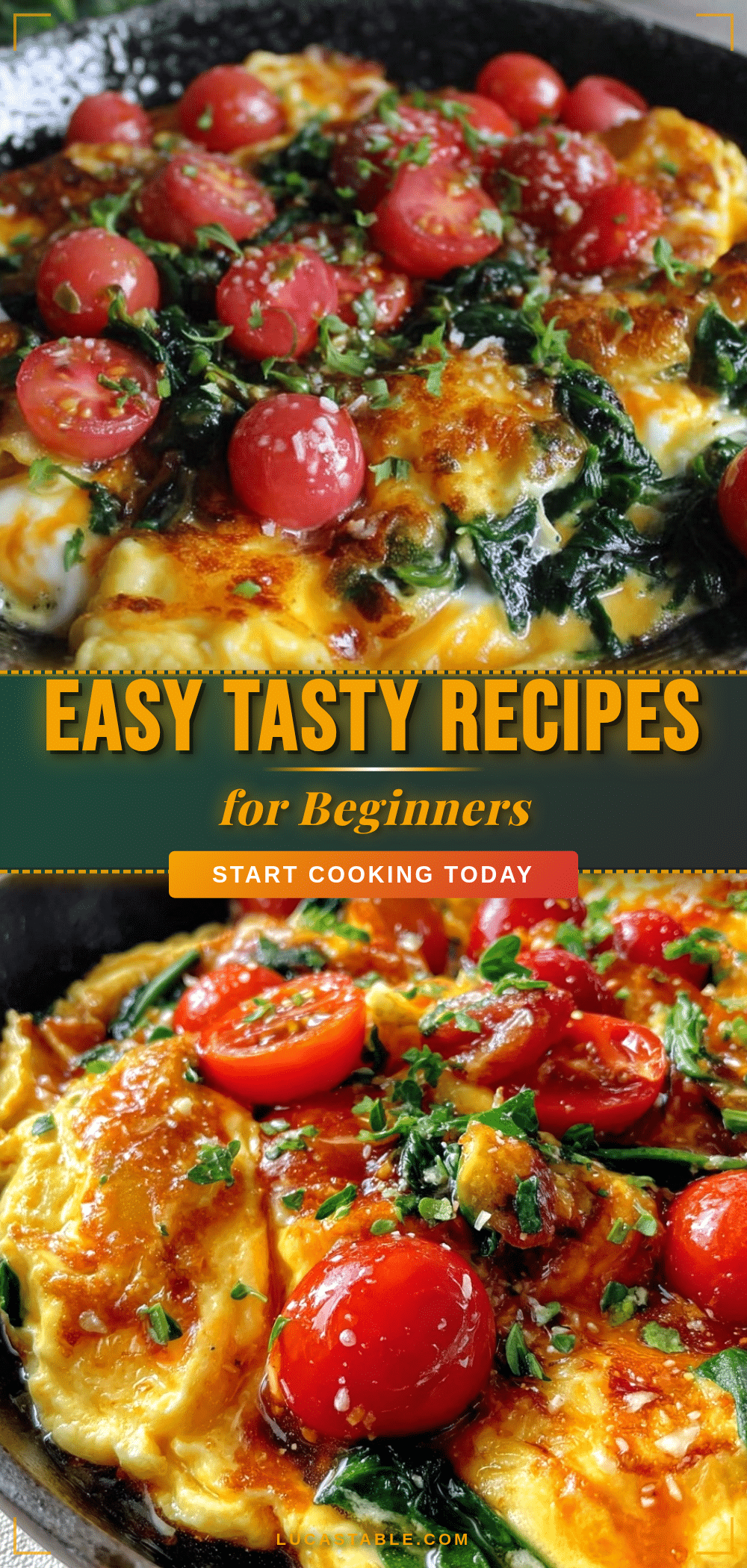
Beginner Cooking for First Apartment Easy Tasty Recipes to Try Now

A simple, quick, and forgiving pasta recipe perfect for beginners in their first apartment, using pantry-friendly ingredients and basic cooking skills.
- Prep Time: 8 minutes
- Cook Time: 22 minutes
- Total Time: 30 minutes
- Yield: 6 servings 1x
- Category: Main Course
- Cuisine: Italian
Ingredients
- 1/4 cup olive oil (60 ml)
- 4 cloves garlic, minced (about 1 tablespoon)
- 1 medium onion, diced (about 150g)
- 8 ounces dried pasta (225g), any shape
- 14 ounces canned tomatoes (400g), whole peeled or crushed
- Salt, to taste
- Black pepper, to taste
- 1/2 cup freshly grated Parmesan cheese (optional, 50g)
Instructions
- Prep everything first: chop onion, mince garlic, measure pasta, and have canned tomatoes ready (5–8 minutes).
- Boil pasta in salted water until just shy of al dente, about 8–10 minutes.
- Heat olive oil in a skillet over medium heat; sauté diced onion until translucent and sweet, about 3 minutes.
- Add minced garlic and cook for 1 minute, stirring constantly to avoid browning.
- Pour in canned tomatoes with juices; break them up if whole. Add salt and pepper. Simmer uncovered until sauce thickens, about 10 minutes.
- Drain pasta, reserving some pasta water. Toss pasta into skillet with sauce, stirring to coat. Add reserved pasta water if needed to loosen sauce (2 minutes).
- Remove skillet from heat; stir in freshly grated Parmesan if using. Adjust seasoning with salt and pepper. Serve immediately (1 minute).
Notes
Save some pasta water to help the sauce cling to the pasta. Cook onions and garlic slowly to bring out sweetness and avoid bitterness. Use freshly grated Parmesan and add it off heat to prevent clumping. Simmer sauce longer if watery. Cook pasta slightly less than package instructions to avoid mushiness.
Nutrition
- Serving Size: 1 serving (approxima
- Calories: 320
- Sugar: 6
- Sodium: 450
- Fat: 8
- Saturated Fat: 3
- Carbohydrates: 45
- Fiber: 4
- Protein: 12
Keywords: beginner cooking, first apartment recipes, easy pasta recipe, quick dinner, pantry staples, simple cooking, beginner-friendly