For years, my friend Jenna claimed she hated mulled wine. The holidays would roll around, and she’d wrinkle her nose at the steaming pot on the stove. “It smells like a candle,” she’d say. “And it always tastes too sweet, like liquid potpourri.” I’d just shrug and pour myself another cup. Honestly, I couldn’t really argue with her. Most mulled wine *is* a cloying, spice-bomb mess that masks cheap wine with a ton of sugar.
Then last December, she stopped by on a particularly bitter Tuesday. A real bone-chiller, the kind where the wind cuts right through your coat. I had a batch simmering on the stove, but this time I was testing a new approach. I’d been fiddling with the ratios for weeks, trying to find a version that was more about the wine than the spices. I didn’t say anything when she walked in, just handed her a mug. She took a sip, then another. “Okay,” she said, looking at the mug like it had tricked her. “What is this?”
That’s the thing about a really good mulled wine. It doesn’t hit you over the head with cinnamon. It lets the fruit and the wine itself take center stage. This cozy mulled wine with orange and cinnamon is that version. It’s the one that made a self-proclaimed hater ask for the recipe. And let me tell you, it’s the only one I make now. Maybe you’ve been burned by a bad cup before, too. I get it. But this one is different.
Why You’ll Love This Recipe
This isn’t your average holiday punch. After countless batches and a few too many clove-heavy disasters, I landed on a formula that just works. It’s tested, it’s tweaked, and it’s finally ready to share. Here’s why this cozy mulled wine with orange and cinnamon is the one you’ll come back to all season long.
- Perfectly Balanced Flavor: No single spice dominates. The citrus brightens the wine, the cinnamon adds warmth, and the star anise gives a subtle licorice note that keeps things interesting. It’s complex but not confusing.
- Simple Ingredients: You don’t need a specialty spice shop. Everything here is a pantry staple or easily found at any grocery store. No weird syrups or hard-to-find liqueurs.
- Effortless to Make: This is a one-pot wonder. No fancy techniques, no constant whisking. Just a gentle simmer and a little patience. It’s perfect for when you’re hosting and need something impressive with zero stress.
- Low Sugar, Real Wine Flavor: The sweetness comes from a touch of honey and the natural sugars in the orange and wine. It’s not a sugar bomb. It lets the wine be the star.
- Guaranteed Crowd-Pleaser: I’ve served this at parties and quiet nights in. It disappears every single time. Even my friend Jenna, the former mulled wine skeptic, now asks me to make it for her.
This is the kind of drink that makes you slow down. It’s the scent of the season in a mug, but without the artificial perfume. It’s warmth you can hold in your hands.
What Ingredients You Will Need
This recipe uses simple, high-quality ingredients to build layers of flavor. The key is letting each one shine without overwhelming the wine itself. Here’s what you’ll need to gather.
- Red Wine (1 bottle / 750 ml): The backbone of the whole thing. You don’t need an expensive bottle, but don’t use something you wouldn’t drink on its own. A medium-bodied red like Zinfandel, Merlot, or a fruity Malbec works perfectly. Avoid overly tannic wines like a young Cabernet Sauvignon, as they can turn bitter when heated. I personally like a good California Zinfandel for its jammy fruit notes.
- Fresh Orange (1 large): This is non-negotiable. You’ll use the zest and the juice. The zest gives you bright, aromatic oils without the bitterness of the pith. The juice adds a natural sweetness and acidity that balances the spices. Look for a heavy orange with smooth, bright skin.
- Cinnamon Sticks (2): Please, please use sticks, not ground cinnamon. Ground cinnamon will turn your wine into a muddy, gritty mess. The sticks infuse a gentle warmth. I find that Ceylon cinnamon is milder and more floral, while Cassia is stronger and spicier. Either works, but I prefer Cassia for this recipe for a bolder presence.
- Star Anise (2 whole stars): This is my secret weapon. It adds a subtle, sweet licorice note that makes the flavor profile feel more sophisticated. Don’t skip it, but don’t overdo it. Two stars is the perfect amount for a bottle of wine.
- Whole Cloves (4-5): A little goes a long way. Cloves are potent and can easily take over. We just want a whisper of that warm, slightly peppery note.
- Honey (2-3 tablespoons): This is our sweetener of choice. It dissolves beautifully and adds a floral depth that granulated sugar can’t match. Use a mild honey like clover or orange blossom. If you’re vegan, you can substitute with maple syrup, but it will change the flavor profile slightly.
- Brandy or Cognac (optional, 1/4 cup): This is for an extra layer of warmth and complexity. It’s entirely optional, but it does give the mulled wine a lovely, boozy kick. I add it right before serving to preserve its flavor. (Adds a delightful warmth)
Equipment Needed
You don’t need any fancy gear for this recipe. It’s all about simplicity. Here’s what you’ll need to get started.
- Large Heavy-Bottomed Pot or Dutch Oven: This is key for even heating. A thin pot can cause the wine to scorch or heat unevenly. A Dutch oven is my go-to. It distributes heat gently, which is exactly what we need.
- Vegetable Peeler: For getting wide strips of orange zest without the bitter white pith. A sharp peeler makes this job effortless.
- Fine-Mesh Strainer: Essential for straining out the spices and zest before serving. Nobody wants to bite into a clove. (A slotted spoon also works in a pinch, but a strainer is cleaner).
- Wooden Spoon or Silicone Spatula: For stirring. Avoid metal utensils that could scratch your pot.
- Measuring Cups and Spoons: For the honey and brandy (if using).
- Heatproof Glasses or Mugs: For serving. The wine will be hot, so make sure your glassware can handle it. I love using clear glass mugs to show off the beautiful deep ruby color.
If you don’t have a Dutch oven, a large stainless steel pot is perfectly fine. Just keep the heat low and watch it carefully. And if you don’t have a fine-mesh strainer, you can use a colander lined with a clean cheesecloth or a paper towel.
Preparation Method

This is the easy part. The whole process takes about 25 minutes from start to finish, and most of that is just letting the flavors meld. Follow these steps, and you’ll have the best cozy mulled wine with orange and cinnamon on your table in no time.
- Prep the Orange (5 minutes): Start by washing your orange well. Using a vegetable peeler, carefully remove 4-5 wide strips of zest. Make sure to avoid the white pith, as it’s bitter. Then, cut the orange in half and juice it. You should have about 1/4 cup of fresh juice. Set the zest and juice aside.
- Combine and Warm (10 minutes): In your large pot or Dutch oven, pour in the entire bottle of red wine. Add the orange zest, orange juice, cinnamon sticks, star anise, and whole cloves. Do not add the honey yet. Place the pot over medium-low heat. You want to gently warm the wine, not boil it. Look for tiny bubbles just starting to form around the edges of the pot. This should take about 8-10 minutes. If you see steam rising, you’re getting too hot. Turn the heat down.
- Steep and Sweeten (15 minutes): Once the wine is warm, turn the heat to low. Add the honey and stir gently until it dissolves completely. Let the wine steep on the lowest possible heat for 15 minutes. Do not let it boil. Boiling will cook off the alcohol and make the wine taste flat and jammy. The goal is a gentle infusion, not a rapid extraction.
- Taste and Adjust (2 minutes): After 15 minutes, give it a taste. This is the critical step. Is it sweet enough? Add another tablespoon of honey. Is the spice level right? If it tastes weak, let it steep for another 5 minutes. If it’s too strong, you can add a splash of plain red wine to dilute it. Remember, the flavors will continue to develop as it sits.
- Strain and Serve (2 minutes): Just before serving, if you’re using the brandy or cognac, stir it in now. Place your fine-mesh strainer over a large heatproof bowl or directly over your serving pitcher. Carefully pour the mulled wine through the strainer to catch all the zest and spices. Discard the solids. Ladle the warm wine into your mugs and serve immediately.
Pro Tip: Don’t skip the straining step! I once got lazy and left the spices in the pot while serving. Someone got a mouthful of cloves and it was not a good look. A quick strain makes for a perfect, smooth sip every time.
Cooking Tips & Techniques
Over the years, I’ve made every mistake in the book with mulled wine. I’ve boiled it, burned it, and made it taste like a cough drop. Here are the lessons I learned so you don’t have to.
- Low and Slow is the Law: This is the most important rule. Never, ever let your mulled wine boil. A vigorous boil will evaporate the alcohol, concentrate the acidity, and turn the wine bitter. Think of it like a gentle bath, not a hot tub. Keep the heat on low or medium-low at all times.
- Toast Your Spices (Optional but Great): For an extra layer of depth, you can briefly toast the cinnamon sticks, star anise, and cloves in a dry pan over medium heat for about 30-60 seconds until they become fragrant. Be careful not to burn them! This releases their essential oils and makes the flavor more robust. I do this when I’m feeling fancy, but it’s not necessary.
- Add Sweetener Last: Don’t dump the honey in at the beginning. The wine needs to warm up and absorb the spices first. Adding the sweetener at the end lets you control the final sweetness based on how the wine has developed. You might find you need less than you thought.
- Make it Ahead: This mulled wine is actually better the next day! The flavors continue to meld in the fridge. Simply make it as directed, let it cool, strain it, and store it in an airtight container in the refrigerator for up to 3 days. Reheat gently on the stovetop over low heat when you’re ready to serve.
- The Brandy Trick: If you’re adding brandy, do it at the very end, right before serving. Adding it early will cause the alcohol to cook off, defeating the purpose. A final splash preserves its flavor and gives the wine a lovely, warming kick.
Variations & Adaptations
One of the best things about this cozy mulled wine with orange and cinnamon is how adaptable it is. You can tweak it to fit any mood or dietary need. Here are a few of my favorite variations.
- Spiced Apple Mulled Wine: Replace the orange juice with 1/2 cup of good-quality apple cider. Add a pinch of ground nutmeg along with the other spices. The apple adds a lovely autumnal sweetness that pairs beautifully with the wine. This is my go-to for Thanksgiving.
- Non-Alcoholic Version: This is perfect for guests who aren’t drinking or for a cozy night in without the buzz. Simply substitute the red wine with a high-quality, unsweetened red grape juice or a pomegranate-cranberry blend. Follow the same recipe, but skip the brandy. The result is a wonderfully aromatic, warming punch that everyone can enjoy.
- Vegan-Friendly: This recipe is easily made vegan. Just swap the honey for maple syrup or agave nectar. I’ve found that maple syrup adds a slightly woodsy, caramel-like note that is absolutely delicious with the cinnamon and star anise. Use a 1:1 ratio.
- Extra Citrusy: If you love citrus, add a few strips of lemon zest along with the orange zest. You can also use a blood orange when they’re in season for a beautiful deep red color and a slightly raspberry-like flavor. It’s visually stunning.
- Ginger Kick: For a little heat, add a 1-inch piece of fresh ginger, thinly sliced, along with the other spices. It adds a warm, zesty punch that cuts through the richness of the wine. I tried this on a whim one snowy night and it was a game-changer.
Serving & Storage Suggestions
How you serve this mulled wine is almost as important as how you make it. It’s all about creating a cozy, inviting experience.
Serving: Serve this warm, not hot. Let it cool for a minute or two after ladling it into mugs. The ideal serving temperature is around 140-150°F (60-65°C). Garnish each mug with a fresh orange slice or a new cinnamon stick for a beautiful presentation. It’s wonderful on its own, but it also pairs beautifully with dark chocolate, sharp cheddar cheese, or a plate of spiced nuts. For a cozy night in, serve it alongside a warm apple crisp or a slice of gingerbread.
Storage: Let any leftover mulled wine cool completely to room temperature. Strain out all the spices and pour the wine into an airtight container or a glass bottle. Store it in the refrigerator for up to 3-4 days. The flavors will actually meld and deepen overnight, making it taste even better the next day.
Reheating: To reheat, pour the wine into a saucepan and warm it over low heat. Do not boil it. You can also reheat individual portions in the microwave in 30-second bursts. The flavors will be just as good, if not better. The wine might lose a tiny bit of its alcohol punch over time, but the spice and fruit notes will be beautifully integrated.
Nutritional Information & Benefits
While mulled wine is a treat, it does have a few surprising benefits, especially when made with whole ingredients. Here’s a general idea of what’s in a serving.
Estimated Nutritional Information (per 6 oz serving, without brandy):
| Nutrient | Amount |
|---|---|
| Calories | ~160-190 |
| Carbohydrates | ~15-20g |
| Sugar | ~12-15g |
| Alcohol | ~12-14g |
Key Benefits:
- Antioxidants from Red Wine: Red wine is rich in resveratrol and other antioxidants, which are good for heart health in moderation.
- Vitamin C from Oranges: A good dose of fresh orange juice provides a boost of immune-supporting vitamin C, perfect for cold-weather sipping.
- Anti-Inflammatory Spices: Cinnamon and cloves are known for their anti-inflammatory properties and can help soothe a sore throat or warm you from the inside out.
- Dietary Considerations: This recipe is naturally gluten-free and can easily be made vegan. It is not suitable for those avoiding alcohol, but a non-alcoholic version is provided above.
Remember, this is a treat to be enjoyed in moderation. It’s the warmth, the aroma, and the company that truly make it special.
Conclusion
This cozy mulled wine with orange and cinnamon is more than just a drink. It’s a moment. It’s the smell that fills your kitchen when the snow starts to fall. It’s the warmth you feel when you wrap your hands around a steaming mug. It’s the conversation that flows a little easier when everyone has a glass in hand.
I love this recipe because it’s forgiving, it’s adaptable, and it always, always delivers. It turned my friend Jenna from a skeptic into a believer, and I’ve seen it do the same for countless others. It’s proof that sometimes the simplest things are the best.
I encourage you to make this your own. Add a little extra orange, a pinch of nutmeg, or a splash of your favorite bourbon. Make it for a holiday party, a quiet Tuesday night, or just because. When you do, I’d love to hear about it. Leave a comment below and tell me how it turned out. What variations did you try? Who did you share it with? Your stories are what make this community so special.
Now go on, get that pot simmering. Winter is waiting.
Frequently Asked Questions
Can I use ground cinnamon instead of cinnamon sticks?
I really don’t recommend it. Ground cinnamon will not dissolve in the wine and will result in a gritty, muddy texture. It also has a much stronger, more one-dimensional flavor. Cinnamon sticks infuse a gentle, aromatic warmth that is far superior for this recipe.
What is the best wine to use for mulled wine?
You want a medium-bodied, fruit-forward red wine. A Zinfandel, Merlot, or a fruity Malbec are all excellent choices. Avoid anything too tannic (like a young Cabernet Sauvignon) or too oaky. The golden rule is: use a wine you’d be happy to drink on its own. It doesn’t have to be expensive, but it shouldn’t be “cooking wine.”
Can I make this in a slow cooker or Crock-Pot?
Absolutely! A slow cooker is perfect for this. Combine all the ingredients (except the brandy) in your slow cooker and cook on LOW for 2-3 hours. This gentle, long infusion is fantastic for developing deep flavor. Stir in the brandy just before serving.
How can I make this less sweet?
The sweetness is very controllable. Start with just 1 tablespoon of honey and taste the wine after it has steeped for 15 minutes. You can always add more, but you can’t take it out. The natural sweetness of the orange juice and the wine itself might be enough for you. You can also skip the honey entirely for a very dry, spice-forward mulled wine.
Can I freeze leftover mulled wine?
Technically, yes, but I don’t recommend it. The alcohol content prevents it from freezing solid, and the texture and flavor can become a bit muddled upon thawing. It’s much better to store it in the refrigerator for up to 3-4 days and reheat it gently. The flavors will actually improve overnight!
Pin This Recipe!
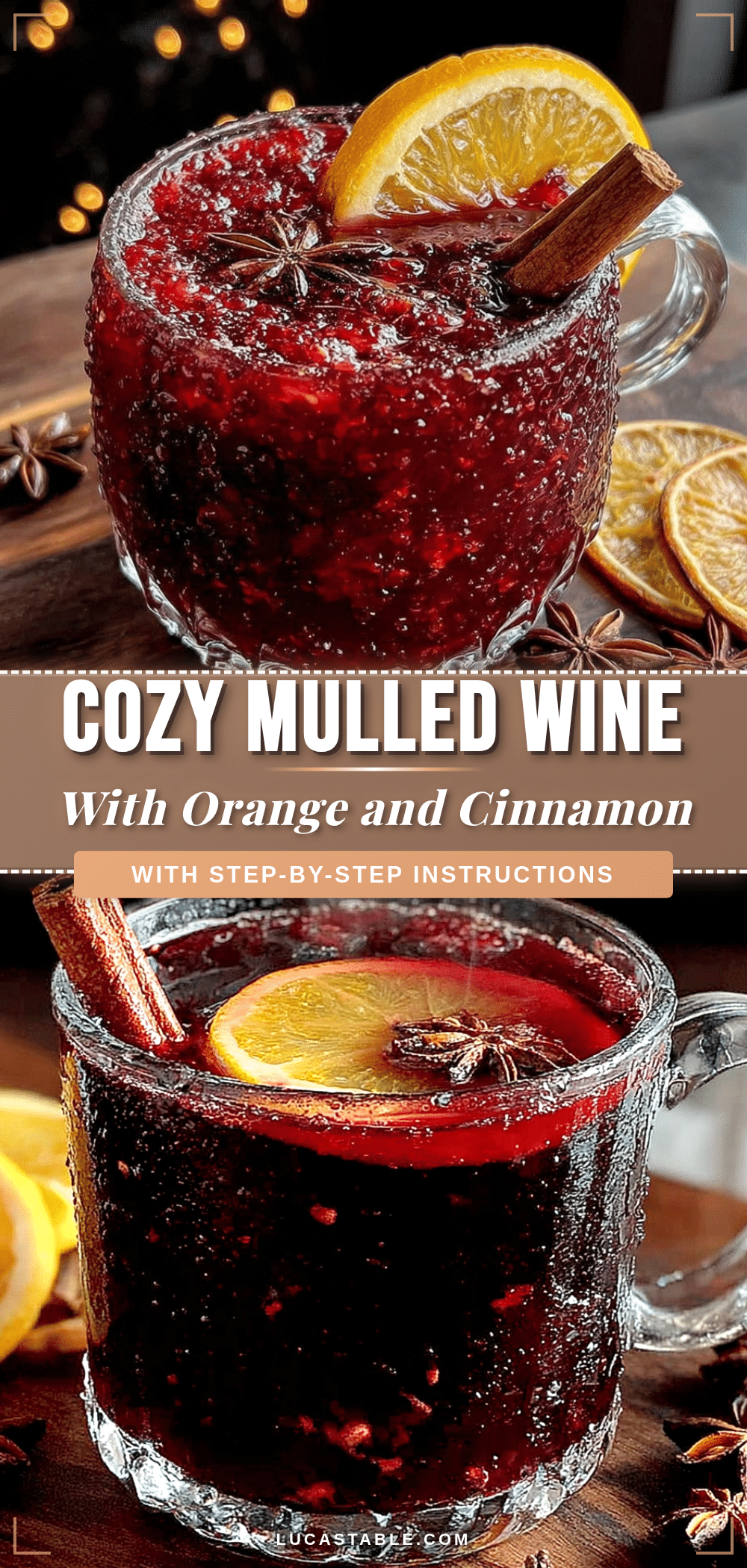
Best Cozy Mulled Wine with Orange & Cinnamon Recipe

This perfectly balanced mulled wine lets the fruit and wine shine, with gentle warmth from cinnamon and star anise. It’s low sugar, easy to make, and guaranteed to convert even the biggest skeptics.
- Prep Time: 5 minutes
- Cook Time: 20 minutes
- Total Time: 25 minutes
- Yield: 4 servings 1x
- Category: Beverage
- Cuisine: European
Ingredients
- 1 bottle (750 ml) red wine (Zinfandel, Merlot, or fruity Malbec)
- 1 large fresh orange
- 2 cinnamon sticks
- 2 whole star anise
- 4–5 whole cloves
- 2–3 tablespoons honey
- 1/4 cup brandy or cognac (optional)
Instructions
- Prep the Orange: Wash the orange. Using a vegetable peeler, remove 4-5 wide strips of zest, avoiding the white pith. Cut the orange in half and juice it (about 1/4 cup). Set zest and juice aside.
- Combine and Warm: In a large pot or Dutch oven, pour in the red wine. Add orange zest, orange juice, cinnamon sticks, star anise, and whole cloves. Do not add honey yet. Warm over medium-low heat until tiny bubbles form around the edges (about 8-10 minutes). Do not boil.
- Steep and Sweeten: Turn heat to low. Add honey and stir until dissolved. Let steep on lowest heat for 15 minutes. Do not boil.
- Taste and Adjust: Taste the wine. Add more honey if needed (up to 1 tablespoon). If spice level is weak, steep 5 more minutes. If too strong, add a splash of plain red wine.
- Strain and Serve: If using brandy, stir it in just before serving. Strain through a fine-mesh strainer into a heatproof bowl or pitcher. Discard solids. Ladle into mugs and serve immediately.
Notes
Never let the wine boil, as it will become bitter and lose alcohol. For best results, use cinnamon sticks, not ground cinnamon. The mulled wine can be made ahead and stored in the refrigerator for up to 3-4 days; reheat gently. For a non-alcoholic version, substitute red wine with unsweetened red grape juice or pomegranate-cranberry blend.
Nutrition
- Serving Size: 6 oz
- Calories: 175
- Sugar: 14
- Sodium: 10
- Carbohydrates: 17
Keywords: mulled wine, cozy mulled wine, orange cinnamon mulled wine, holiday drink, winter beverage, spiced wine, easy mulled wine