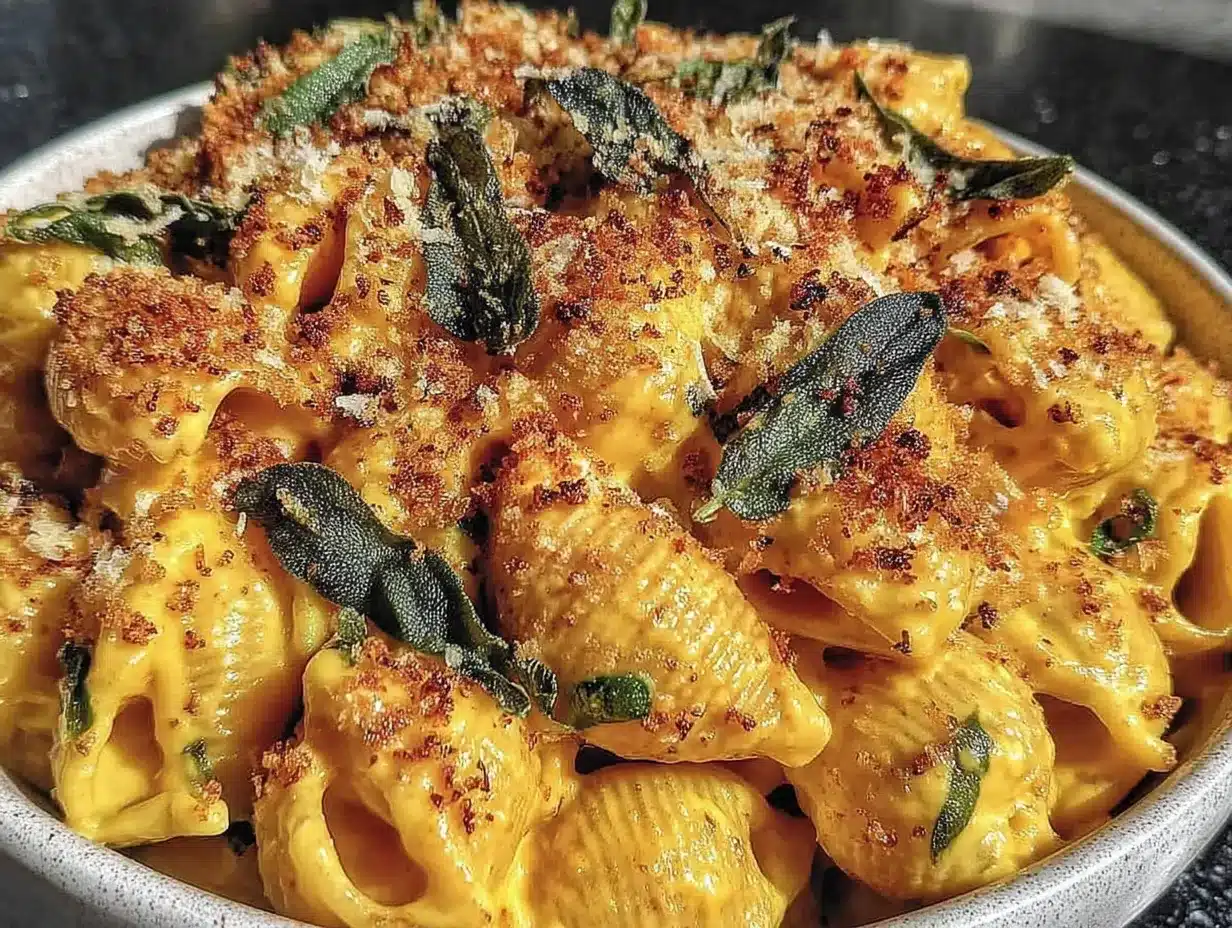
There used to be this tiny café tucked between a vintage bookstore and a laundromat in my old neighborhood that made the most ridiculous butternut squash mac and cheese. When they closed—just a note on the door one Tuesday, “Thanks for ten amazing years”—I honestly felt a little lost. That creamy, slightly sweet sauce with the crispy topping? I couldn’t get it out of my head. After seven tries—some too watery, one that tasted like baby food, let’s be real—I finally cracked the code.
Last Tuesday, I pulled my third batch out of the oven, and my neighbor Dave (who never comments on anything) actually knocked on my door to ask what smelled so good. That’s when I knew I had it. This creamy butternut squash mac and cheese isn’t just a copycat—it’s better. The squash doesn’t hide in the background; it adds this velvety richness that makes you forget you’re eating vegetables for dinner. I mean, honestly, if someone served this to me blindfolded, I’d never guess it wasn’t loaded with heavy cream and half a block of extra cheese.
What gets me every time is how the sauce clings to every single piece of pasta. You know that feeling when you take a bite and everything just works? The sweetness of roasted squash, the sharpness of good cheddar, the little crunch from the topping? It’s comfort food that somehow feels light, which is basically my culinary white whale. Maybe you’ve been there—wanting something that tastes indulgent but doesn’t leave you in a food coma. This is that recipe. And honestly, after all those failed attempts, I’m pretty proud of how it turned out.
Why You’ll Love This Recipe
This isn’t just another mac and cheese recipe that claims to be healthy. I’ve tested this thing six different ways—more cheese, less squash, different pasta shapes, even a version with gluten-free noodles—and this combination is the winner. The secret? Roasting the squash instead of boiling it. That step alone transforms the flavor from bland to almost caramel-sweet, and it’s the kind of trick I picked up from years of trial and error in my own kitchen.
- Quick & Easy : From start to table in about 45 minutes, and most of that is hands-off roasting time. Perfect for those nights when you want something impressive without slaving over the stove.
- Simple Ingredients : No fancy cheese counters or specialty stores. Sharp cheddar, a little Parmesan, butternut squash, and pantry staples. That’s it.
- Perfect for Weeknights or Dinner Parties : It’s fancy enough for guests (they’ll think you spent hours) but easy enough for a Tuesday when you need comfort food fast.
- Kid-Approved, Adult-Loved : My niece ate three servings before I told her there was squash in it. She didn’t care. Neither will you.
- Unbelievably Creamy : The roasted squash blends into this silky, velvety sauce that coats every piece of pasta. No grittiness, no weird textures—just pure comfort.
What makes this different from every other butternut squash mac and cheese out there? It’s the balance. Most versions are either too healthy (and taste like it) or too heavy (and defeat the purpose). This one hits that sweet spot where you feel good eating it, but you’re also genuinely excited for the next bite. It’s comfort food reimagined—lighter, brighter, but with the same soul-soothing satisfaction that makes mac and cheese a classic.
What Ingredients You Will Need
This recipe relies on simple, wholesome ingredients that work together to create something genuinely special. Most of these are pantry staples, and the ones that aren’t are easy to find at any grocery store.
- Butternut Squash (1 medium, about 2 pounds) — The star of the show. Roasting brings out its natural sweetness and creates that velvety texture. Look for one that feels heavy for its size with firm, unblemished skin. (Pro tip: pre-cut cubes from the store work fine in a pinch, but whole squash roasts better and tastes fresher.)
- Sharp Cheddar Cheese (8 ounces, freshly grated) — Please, for the love of all things cheesy, grate your own. Pre-shredded cheese has anti-caking agents that make the sauce grainy. I recommend Cabot or Tillamook for that perfect sharpness.
- Parmesan Cheese (1/2 cup, freshly grated) — Adds a nutty, salty depth that cheddar alone can’t deliver. Grana Padano works beautifully here too.
- Elbow Macaroni (1 pound) — Classic for a reason. The little curves catch every bit of sauce. Cavatappi or shells work great too if you want something different.
- Unsalted Butter (3 tablespoons) — For the roux and the topping. Using unsalted lets you control the salt level.
- All-Purpose Flour (3 tablespoons) — Thickens the sauce without making it heavy. Gluten-free flour blend works if you need it.
- Whole Milk (2 cups) — Creates that creamy base. 2% works, but whole milk gives the best texture. For a dairy-free version, unsweetened oat milk is my favorite substitute.
- Chicken or Vegetable Broth (1 cup) — Adds savory depth that water just can’t match. I use low-sodium so I can control the salt.
- Garlic (3 cloves, minced) — Because everything is better with garlic. Roast it with the squash for an even mellower, sweeter flavor.
- Onion (1/2 medium, roughly chopped) — Blends into the sauce for background sweetness. You won’t taste it, I promise.
- Dijon Mustard (1 teaspoon) — Don’t skip this. It doesn’t make the sauce taste like mustard; it just wakes up all the other flavors.
- Nutmeg (1/4 teaspoon, freshly grated if possible) — The secret ingredient that makes butternut squash and cheese sing together. Just a tiny bit.
- Salt and Black Pepper (to taste) — Simple but essential.
- Panko Breadcrumbs (1/2 cup) — For that golden, crispy topping that makes every bite better.
- Fresh Thyme (optional, 1 teaspoon) — Adds a subtle earthiness that complements the squash beautifully.
Equipment Needed
Nothing too fancy here—most of this you probably already have. But let me save you some headaches I learned the hard way.
- Baking Sheet — For roasting the squash. A rimmed one is best to catch any caramelized juices.
- Large Pot — For boiling pasta. Go bigger than you think you need.
- Medium Saucepan — For making the cheese sauce. A heavy-bottomed one prevents scorching.
- Blender or Immersion Blender — This is crucial. A regular blender works great (just let the squash cool a bit first), but an immersion blender lets you blend right in the pot with less cleanup. I use my Cuisinart immersion blender for this almost every time.
- Box Grater — For shredding cheese. Microplane works for the Parmesan.
- 9×13 Baking Dish — For the final bake. An 8×8 works if you want a thicker, saucier version.
- Whisk — For smoothing out the roux. A silicone-coated one won’t scratch your pots.
- Chef’s Knife — For cutting squash. A sharp one makes this job so much easier.
- Vegetable Peeler — For removing the squash skin.
Preparation Method
Alright, let’s make this happen. I’ve broken it down so even if you’re new to cooking, you’ll feel like a pro.
- Preheat and Prep (5 minutes) — Preheat your oven to 400°F (200°C). Line a baking sheet with parchment paper or foil. Cut your butternut squash in half lengthwise, scoop out the seeds, and rub the cut sides with a little olive oil and salt. Place cut-side down on the baking sheet. Toss the garlic cloves (still in their skins) on the sheet too—they’ll roast right alongside the squash.
- Roast the Squash (35-40 minutes) — Roast until the squash is completely tender when pierced with a fork. You want it almost falling apart. The garlic should be soft and squishy. Let everything cool for about 10 minutes—enough to handle but still warm. Squeeze the roasted garlic out of its skins (this is oddly satisfying, honestly).
- Cook the Pasta (10 minutes) — While the squash roasts, bring a large pot of salted water to a boil. Cook your macaroni according to package directions, but go for al dente—it’ll cook more in the oven later. Drain and set aside. Pro tip: reserve about a cup of pasta water before draining, just in case your sauce needs thinning later.
- Blend the Squash Sauce (5 minutes) — Scoop the roasted squash flesh into your blender. Add the roasted garlic, chopped onion, and 1 cup of the broth. Blend until completely smooth. This should take about 60 seconds. The mixture should look like thick, velvety soup. Set aside.
- Make the Roux (5 minutes) — In your medium saucepan, melt the butter over medium heat. Once it’s bubbling, whisk in the flour. Cook for about 2 minutes, stirring constantly. You’re looking for a light golden color and a nutty smell. This step removes the raw flour taste, so don’t rush it.
- Build the Cheese Sauce (5 minutes) — Slowly whisk in the milk, a little at a time, until smooth. Then add the remaining broth and the blended squash mixture. Keep whisking until everything is combined and starting to thicken—about 3 minutes. The sauce should coat the back of a spoon.
- Add the Cheese and Seasonings (3 minutes) — Reduce heat to low. Add the shredded cheddar and Parmesan, a handful at a time, stirring until each addition melts before adding more. Stir in the Dijon mustard, nutmeg, and fresh thyme if using. Taste and adjust salt and pepper. Here’s the thing: the sauce should be slightly saltier than you think, because the pasta will absorb some of that saltiness.
- Combine and Transfer (5 minutes) — Pour the cheese sauce over the cooked macaroni and stir until every piece is coated. Transfer everything to your greased 9×13 baking dish. Sprinkle the panko breadcrumbs evenly over the top, then dot with a few small pieces of butter for extra golden-ness.
- Bake and Broil (15-20 minutes) — Bake at 375°F (190°C) for 15 minutes, until bubbly and hot. Then switch to broil for 2-3 minutes—watch it carefully! You want the top golden brown, not black. Let it rest for 5 minutes before serving. I know it’s hard to wait, but this lets the sauce set up so you get perfect, not soupy, servings.
Cooking Tips & Techniques
I’ve made this recipe more times than I care to admit, and I’ve learned a few things the hard way. Let me save you some trouble.
Roast, don’t boil. I tried boiling the squash once to save time. Big mistake. Boiled squash releases too much water and makes the sauce thin and watery. Roasting concentrates the flavor and gives you that naturally sweet, creamy texture. Trust the process on this one.
Grate your own cheese. I know, I know—pre-shredded is convenient. But those anti-caking coatings (cellulose, if you want to get technical) prevent the cheese from melting smoothly. You’ll end up with a gritty sauce instead of that silky, luxurious texture. A block of good cheddar and a few minutes of grating is worth it.
Don’t overcook the pasta. Al dente is your friend here. The pasta will continue cooking in the oven, so if you start with fully cooked noodles, you’ll end up with mushy mac and cheese. Nobody wants that.
Season in layers. Salt the pasta water (it should taste like the sea), season the squash while it roasts, and taste the sauce before adding the pasta. Each layer of seasoning builds flavor. I once forgot to salt the pasta water, and the whole dish fell flat. Never again.
Let it rest. Those five minutes after baking are crucial. The sauce needs time to settle and thicken. If you dig in right away, it’ll be runny. Give it those five minutes, and you’ll get perfect, scoopable mac and cheese.
Watch the broiler. Broilers are unpredictable. I’ve burned more than one topping by walking away for “just a second.” Stay close, and pull it out the moment it turns golden brown.
Variations & Adaptations
One of the best things about this recipe is how flexible it is. Here are some ways I’ve adapted it over the years.
- Gluten-Free Version : Use gluten-free pasta (I like the brown rice and quinoa blends) and swap the all-purpose flour for a 1:1 gluten-free flour blend. The sauce might be slightly thinner, but it still tastes amazing. Add an extra tablespoon of flour if needed.
- Dairy-Free Version : Use unsweetened oat milk (it’s the creamiest non-dairy milk I’ve found), vegan butter, and your favorite dairy-free cheese shreds. Miyoko’s and Violife both melt well. Nutritional yeast adds a nice cheesy flavor too.
- Extra Protein : Stir in some shredded rotisserie chicken, cooked bacon bits, or crispy prosciutto before baking. My husband loves it with Italian sausage crumbles. It turns a side dish into a full meal.
- Spicy Kick : Add 1/4 teaspoon of cayenne pepper or a chopped jalapeño to the sauce. The heat plays beautifully with the sweet squash and sharp cheddar.
- Vegetable Boost : Fold in some steamed broccoli, sautéed spinach, or roasted mushrooms before baking. My favorite combo is roasted Brussels sprouts and crispy bacon—the bitterness cuts through the richness perfectly.
- Different Cheese : Try smoked gouda, gruyere, or fontina instead of (or in addition to) the cheddar. Smoked gouda adds this incredible depth that makes the dish feel extra special.
Serving & Storage Suggestions
This mac and cheese is best served hot, straight from the oven, with that golden topping still crispy. Let it rest for five minutes, then scoop into bowls. I love serving it with a simple green salad dressed with lemon vinaigrette—the brightness cuts through the richness perfectly.
For a full meal, pair it with roasted chicken, grilled salmon, or a big pile of roasted vegetables. It also works beautifully as a side dish for holiday dinners. Thanksgiving, Christmas, or just a fancy Sunday dinner—this fits right in.
Storage : Leftovers keep in an airtight container in the fridge for up to 5 days. The topping will soften, but the flavor actually gets better as it sits. I sometimes make a double batch just for the leftovers.
Reheating : The oven is your best friend here. Reheat at 350°F for about 15 minutes, covered with foil to prevent drying out. Uncover for the last 5 minutes to re-crisp the top. The microwave works in a pinch, but the texture won’t be as good. If you’re in a hurry, add a splash of milk before microwaving to restore some creaminess.
Freezing : This freezes beautifully. Assemble the dish completely but don’t bake it. Cover tightly with foil and freeze for up to 3 months. To bake from frozen, add about 20 minutes to the baking time. Or thaw overnight in the fridge and bake as directed.
Nutritional Information & Benefits
Let’s be real—this is still mac and cheese, and it’s still indulgent. But compared to traditional versions, this one has some serious perks. The butternut squash adds vitamin A (great for your eyes and immune system), fiber, and antioxidants, while cutting down on the amount of cheese and cream needed.
Per serving (about 1 cup): approximately 380 calories, 15g protein, 45g carbs, 16g fat, 5g fiber. These numbers will vary based on your exact ingredients and portions, but it’s a solid estimate.
The squash provides a good dose of vitamin C, potassium, and magnesium. The whole milk and cheese add calcium and protein. And because we’re using real, whole ingredients, you’re getting nutrients along with that comfort food satisfaction. It’s not health food—but it’s a whole lot better than the boxed stuff, and it actually tastes better too.
If you’re watching your intake, this recipe works well for vegetarian diets. For lower-carb needs, serve a smaller portion with a big side of roasted vegetables.
Conclusion
This creamy butternut squash mac and cheese is the recipe I keep coming back to, week after week. It’s the one I make when I need comfort food that doesn’t leave me feeling heavy. It’s the one I bring to potlucks that disappears before anything else. And it’s the one that finally helped me get over that little café that closed its doors all those years ago.
I’d love for you to try it and make it your own. Add your favorite mix-ins, adjust the cheese blend, or double the topping if that’s your thing. Cooking is supposed to be flexible and fun. Drop a comment below and let me know how it turned out—or better yet, tag me in your photos. There’s nothing that makes my day like seeing someone else enjoying this recipe.
Here’s to comfort food that feels good in every way. Happy cooking!
Frequently Asked Questions
Can I use frozen butternut squash instead of fresh?
Yes, absolutely. Frozen butternut squash works well in a pinch. Thaw it first and pat it dry with paper towels to remove excess moisture. Roast it at 400°F for about 20-25 minutes, or until tender. The texture might be slightly less caramelized, but it still makes a creamy, delicious sauce.
Why did my sauce turn out grainy?
Grainy sauce usually means one of three things: the cheese was pre-shredded (those anti-caking agents strike again), the heat was too high when you added the cheese, or the sauce wasn’t blended long enough. Next time, grate your own cheese, keep the heat low when melting it, and blend the squash mixture until completely smooth.
Can I make this ahead of time?
Definitely. Assemble the dish completely, cover it, and refrigerate for up to 24 hours before baking. You might need to add 5-10 minutes to the baking time since you’re starting from cold. This is actually a great make-ahead option for holidays or dinner parties.
How do I make the topping extra crispy?
Two tricks: mix the panko with a tablespoon of melted butter before sprinkling it on, and don’t skip the broiler step at the end. Watch it like a hawk—it goes from golden to burnt in about 30 seconds. Also, letting the dish rest after baking helps the topping stay crunchy longer.
Is this recipe gluten-free?
Not as written, but it’s easy to adapt. Use gluten-free pasta and a 1:1 gluten-free flour blend for the roux. Everything else is naturally gluten-free. I’ve tested it with several brands, and the texture holds up beautifully. Just be careful not to overcook the gluten-free pasta—it tends to get mushy faster than regular pasta.
Pin This Recipe!
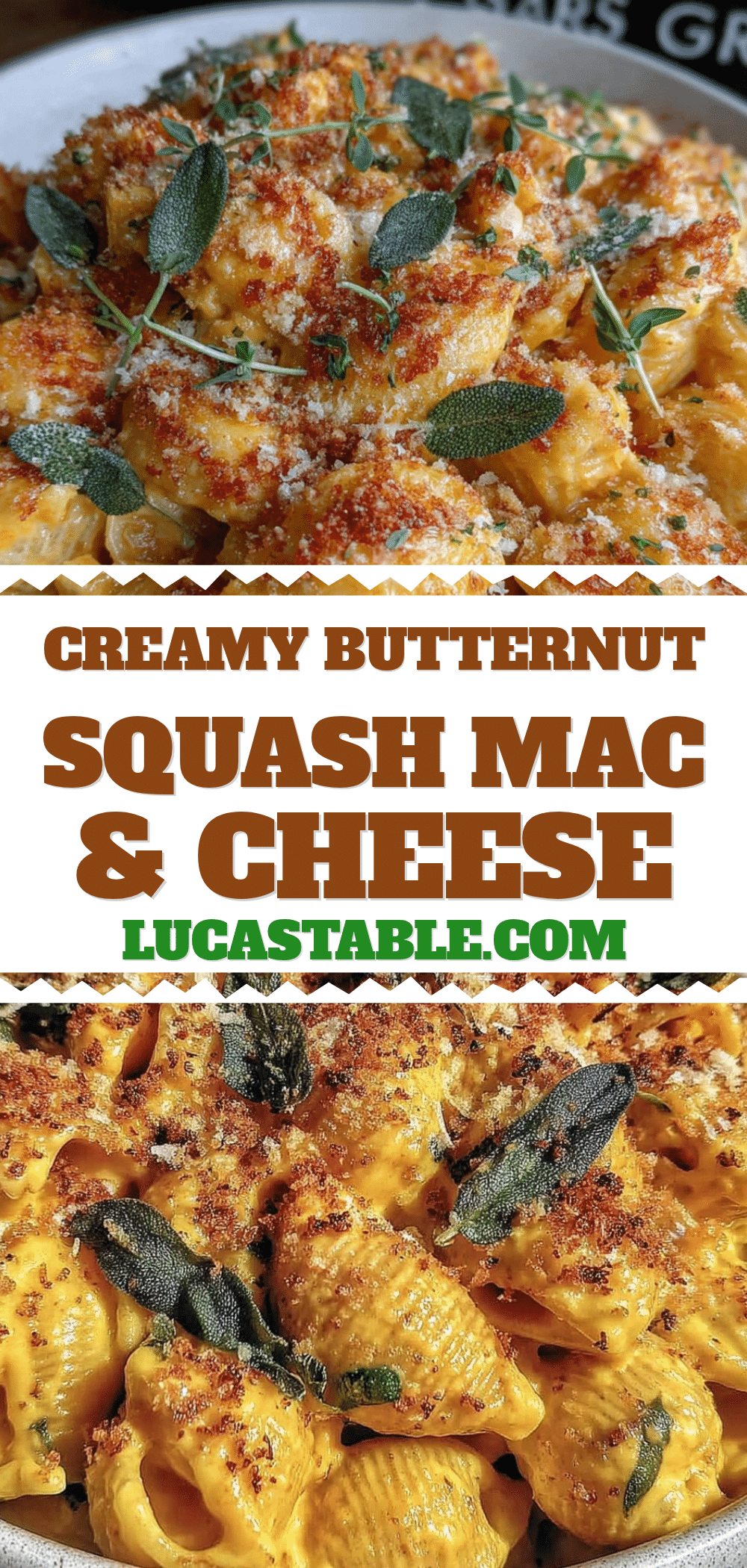
Creamy Butternut Squash Mac and Cheese (Easy Healthy Recipe)

This creamy butternut squash mac and cheese is comfort food reimagined—lighter, brighter, but with the same soul-soothing satisfaction. Roasted squash creates a velvety sauce that clings to every piece of pasta, making you forget you’re eating vegetables for dinner.
- Prep Time: 15 minutes
- Cook Time: 45 minutes
- Total Time: 1 hour
- Yield: 8 servings 1x
- Category: Main Course
- Cuisine: American
Ingredients
- 1 medium butternut squash (about 2 pounds)
- 8 ounces sharp cheddar cheese, freshly grated
- 1/2 cup Parmesan cheese, freshly grated
- 1 pound elbow macaroni
- 3 tablespoons unsalted butter
- 3 tablespoons all-purpose flour
- 2 cups whole milk
- 1 cup low-sodium chicken or vegetable broth
- 3 cloves garlic, minced
- 1/2 medium onion, roughly chopped
- 1 teaspoon Dijon mustard
- 1/4 teaspoon freshly grated nutmeg
- Salt and black pepper to taste
- 1/2 cup panko breadcrumbs
- 1 teaspoon fresh thyme (optional)
Instructions
- Preheat oven to 400°F (200°C). Line a baking sheet with parchment paper. Cut butternut squash in half lengthwise, scoop out seeds, rub cut sides with olive oil and salt. Place cut-side down on baking sheet. Add garlic cloves (in skins) to sheet. Roast 35-40 minutes until squash is tender. Let cool 10 minutes. Squeeze roasted garlic from skins.
- While squash roasts, bring a large pot of salted water to a boil. Cook macaroni al dente according to package directions. Drain, reserving 1 cup pasta water.
- Scoop roasted squash flesh into blender. Add roasted garlic, chopped onion, and 1 cup broth. Blend until completely smooth, about 60 seconds.
- In a medium saucepan, melt butter over medium heat. Whisk in flour and cook 2 minutes, stirring constantly, until light golden and nutty.
- Slowly whisk in milk until smooth. Add remaining broth and blended squash mixture. Whisk until combined and thickened, about 3 minutes.
- Reduce heat to low. Add shredded cheddar and Parmesan a handful at a time, stirring until melted. Stir in Dijon mustard, nutmeg, and thyme if using. Season with salt and pepper to taste.
- Pour cheese sauce over cooked macaroni and stir to coat. Transfer to greased 9×13 baking dish. Sprinkle panko breadcrumbs evenly on top, dot with small pieces of butter.
- Bake at 375°F (190°C) for 15 minutes until bubbly. Switch to broil for 2-3 minutes until golden brown. Let rest 5 minutes before serving.
Notes
Roast the squash instead of boiling to concentrate flavor and prevent watery sauce. Grate your own cheese to avoid grainy sauce from anti-caking agents. Cook pasta al dente as it will continue cooking in the oven. Let the dish rest 5 minutes after baking for the sauce to set. Watch the broiler carefully to prevent burning the topping.
Nutrition
- Serving Size: 1 cup
- Calories: 380
- Sugar: 8
- Sodium: 520
- Fat: 16
- Saturated Fat: 9
- Carbohydrates: 45
- Fiber: 5
- Protein: 15
Keywords: butternut squash mac and cheese, healthy mac and cheese, creamy mac and cheese, vegetarian mac and cheese, easy mac and cheese recipe