The first time I moved into my own apartment, I stared blankly at empty shelves and a lonely cabinet wondering, “What on earth do I even need to cook?” I was overwhelmed by the idea of stocking a pantry from scratch—should I buy that fancy spice blend or just stick to basics? It took a few meals of scrambling and last-minute grocery runs for me to realize how important a solid pantry foundation is. That’s when I started building my first apartment pantry essentials list, focusing on must-have cooking staples that are easy to store, budget-friendly, and versatile enough to rescue any weeknight dinner.
After years of trial and error—and testing this list over and over during busy weeks—I finally cracked the code. These pantry staples cover everything from quick pasta sauces to cozy soups and even that go-to crispy chicken fried rice I make when time is tight. If you’re moving into your first place or just resetting your kitchen, this list will save you from the dreaded “nothing to eat” panic and help you whip up meals without stress.
In this post, I’m sharing my carefully curated first apartment pantry essentials list—with must-have cooking staples that you can stock easily, no matter your budget or cooking skill level. Ready to make your kitchen feel like home?
Why You’ll Love This First Apartment Pantry Essentials List
This list has completely changed how I approach cooking in a tiny, newly rented kitchen. I’ve made this pantry staples list for busy weeknight dinners, impromptu get-togethers, and even last-minute date nights. Everyone asks how I manage to pull together something tasty with so little fuss.
- Minimal but Mighty — You won’t find dozens of obscure ingredients here. Just the essentials that unlock endless recipe possibilities, like the quick creamy tuna pasta or the zesty lemon chicken that became family favorites.
- Budget-Friendly Staples — These cooking staples are affordable and keep forever or a long time in your pantry. I’ve restocked the same items for years without wasting a penny.
- Versatile Ingredients — Each item plays double duty in multiple dishes. Olive oil, for example, is perfect for sautéing veggies or drizzling over a fresh salad.
- Fast Dinner Rescues — When I’m running late from work, these staples help me whip up meals like crispy chicken fried rice or a quick spaghetti aglio olio in under 30 minutes.
- Space Savers — First apartments rarely have walk-in pantries. I’ve selected compact packaging and multi-use ingredients that won’t crowd your shelves.
This is the ultimate pantry list for your first apartment or any small kitchen setup, perfect for whipping up quick and comforting meals without the stress of missing ingredients.
First Apartment Pantry Essentials List: What to Stock and Why
Here’s the best part: most of these staples are probably already on your grocery list or hiding in your fridge right now. I’m picky about quality and storage life, so I’ll tell you exactly what to buy and why.
- Olive Oil (16 oz / 475 ml) — This is your all-purpose cooking oil. Use for sautéing, roasting, or finishing dishes. I prefer extra virgin for flavor but regular olive oil works well for high-heat cooking.
- Garlic (1 bulb) — Fresh garlic is a game-changer. It adds punch to everything from simple pasta to homemade sauces. Buy pre-peeled cloves if you’re short on time.
- Onions (2 medium) — Yellow onions are the backbone of flavor in countless recipes. They store well and bring sweetness and depth to soups, stews, and sautés.
- Canned Tomatoes (2 cans, 14 oz / 400 g each) — Crushed or diced tomatoes are the base for quick pasta sauces and chili. Look for no-salt-added to control seasoning.
- Pasta (1 lb / 450 g) — A staple for quick dinners. I keep penne and spaghetti on hand because they’re easy to cook and pair with whatever sauce or protein I have.
- Rice (2 cups / 400 g) — Long-grain white rice is the most versatile, perfect for meals like fried rice or a simple side.
- Salt & Pepper — The basics you can’t live without. I keep kosher salt and freshly ground black pepper for the best flavor.
- Dried Herbs (Oregano, Basil, Thyme) — These add Italian flair to sauces and soups. I buy small jars to keep them fresh.
- Chicken or Vegetable Broth (32 oz / 1 liter) — A must for soups, risottos, or adding flavor to grains.
- Flour (All-purpose, 2 cups / 250 g) — Useful for thickening sauces, baking, or even dredging chicken.
- Cooking Spray or Butter — For easy sautéing or greasing pans.
- Honey or Sugar (Small jar) — A touch of sweetness balances acidity in sauces and helps caramelize vegetables.
Having these essentials means you can create a huge range of meals without running back to the store. For example, I often make a quick spaghetti aglio olio using just olive oil, garlic, and pasta from this list. Or, when I want something heartier, I add canned tomatoes and herbs to make a simple tomato sauce.
Equipment Needed
You don’t need anything fancy for this. Here’s what I actually use to make the most of my pantry staples:
- Large Skillet — A 12-inch non-stick skillet is my go-to for everything from sautéing onions to making fried rice. Stainless steel works too if you prefer.
- Medium Saucepan — For boiling pasta or simmering sauces. A 2-quart size fits most needs without cluttering the cabinet.
- Cutting Board and Sharp Knife — Fresh garlic and onions need to be chopped efficiently. Invest in a decent knife; it makes prep faster and safer.
- Measuring Cups and Spoons — Essential for following recipes accurately, especially when you’re just starting out.
- Wooden Spoon or Silicone Spatula — For stirring without scratching your pans.
- Optional but Useful: Garlic Press — Saves time mincing garlic, great when you’re in a hurry.
How to Make Quick and Easy Meals with Your First Apartment Pantry Essentials
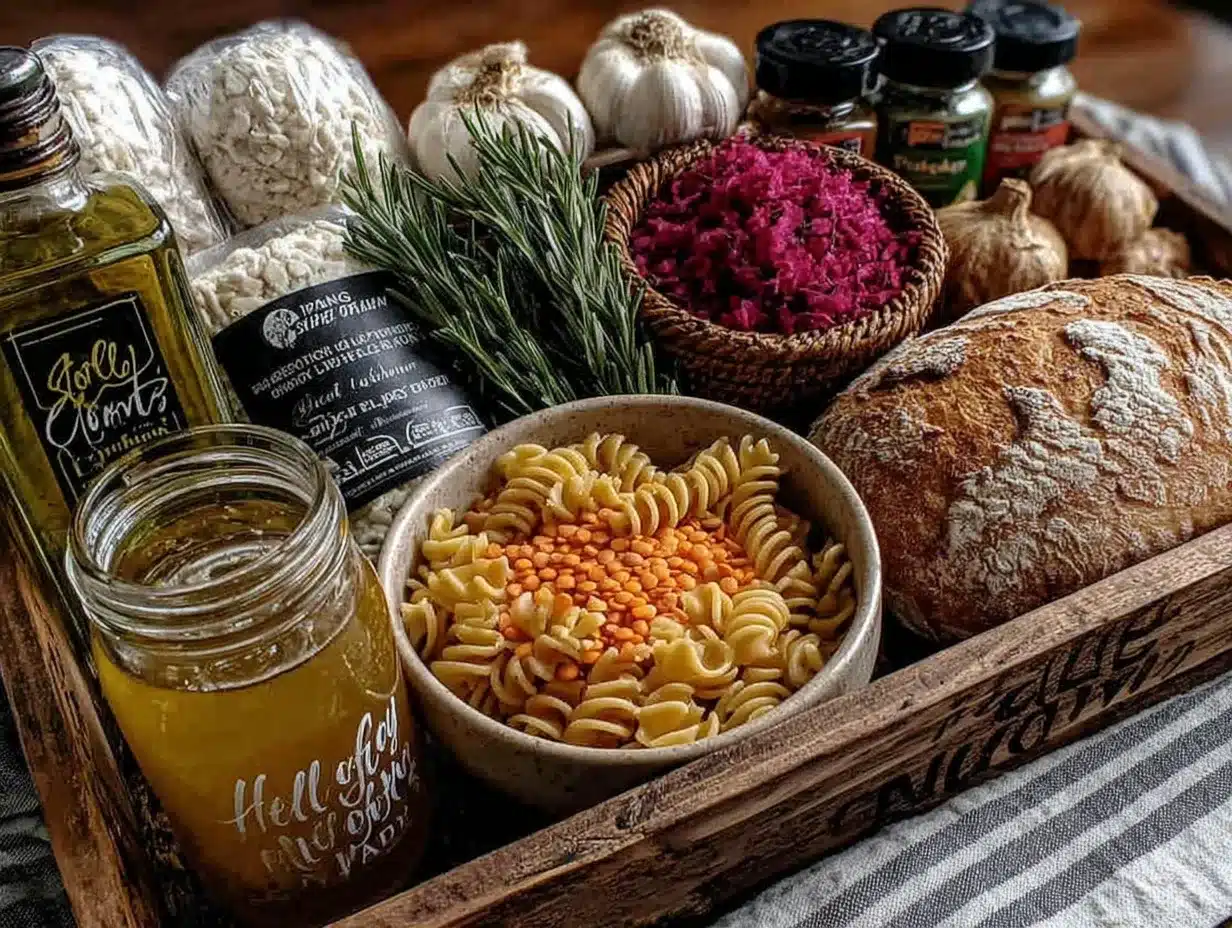
Alright, let’s get into it. I’ll walk you through exactly how I use these staples to make quick meals that taste like I spent hours in the kitchen.
- Step 1: Prep Your Aromatics (5 minutes)
Peel and chop your onions and garlic. You want the onions translucent and sweet, and the garlic fragrant—but not browned or bitter. This base flavor makes everything better. - Step 2: Sauté with Olive Oil (3-4 minutes)
Heat 2 tablespoons of olive oil over medium heat. Add the onions and cook until they soften and smell sweet, about 2-3 minutes. Add garlic and stir for 1 minute. The kitchen should smell incredible—this is your flavor foundation. - Step 3: Build Your Sauce or Base (10 minutes)
Add canned tomatoes, a pinch of salt, and dried herbs like oregano or basil. Let it simmer gently so the flavors meld and the sauce thickens slightly. If it looks too thick, add a splash of broth. - Step 4: Cook Your Pasta or Rice (10-12 minutes)
While the sauce simmers, boil pasta or rice according to the package. Salt your water generously—it should taste like seawater. This seasons the starches, making your dish come alive. - Step 5: Combine and Finish (2-3 minutes)
Drain pasta or rice, reserving a little cooking water. Toss it into the sauce, stirring to coat evenly. Add reserved pasta water if needed to loosen the sauce. Taste and adjust salt and pepper.
Total time: about 30 minutes, with most of it hands-off simmering and boiling. These simple steps turn your pantry staples into delicious dinners faster than takeout.
Expert Tips & Tricks for Using Your First Apartment Pantry Essentials
Here’s everything I’ve figured out from making pantry-based recipes dozens of times. These tips will save you from the mistakes I already made.
- Don’t Skip the Salt in Pasta Water
Salt is the secret to flavorful pasta dishes. I once forgot and ended up with a bland meal. Now I salt my water like it’s the sea, and it makes all the difference. - Store Your Dried Herbs Properly
Keep dried herbs in a cool, dark place to preserve their flavor. Old herbs taste flat, so replace them every 6 months. - Use Broth to Boost Flavor
Instead of just water, use chicken or vegetable broth to cook rice or grains. It adds depth with zero extra effort. - Prep Your Ingredients First
Chopping onions and garlic before you start cooking makes the process smoother. Trust me, it’s worth the few extra minutes. - Reserve Pasta Water
The starchy water helps your sauce cling to pasta instead of just sliding off. Keep a cup handy and add it gradually.
Variations & Substitutions for Different Occasions
Once you’ve got the base version down, here’s how I mix it up. I’ve actually tried all of these.
- Protein Boost for Busy Weeknight Dinners
Add canned tuna or rotisserie chicken to your pasta sauce for a quick protein-packed meal. This is a lifesaver on nights I’m too tired to cook from scratch. I use this trick when making quick creamy tuna pasta. - Spicy Kick Version
Add crushed red pepper flakes or a dash of hot sauce to your sauce for some heat. Perfect if you’re craving something bold but don’t want to order takeout. - Lighter Version
Swap olive oil for a light cooking spray and use low-sodium broth. I do this when trying to cut calories but still want flavor. - Gluten-Free
Use gluten-free pasta or rice noodles. The rest of the pantry essentials stay the same. - Dairy-Free
This list is naturally dairy-free, which makes it great for most dietary restrictions.
Serving & Storage Tips for Your Pantry Staples Meals
I usually serve meals straight from the skillet or pot—it has a cozy, rustic feel and keeps food warm. Pair your staples-based meals with sides like garlic bread (never skip it), a simple green salad with balsamic vinaigrette, or roasted broccoli for a touch of color and crunch.
Fridge Storage: Store leftovers in airtight containers for up to 4 days. Sauces may thicken in the fridge—that’s normal. Just loosen with a splash of broth or water when reheating.
Reheating: The best way is in a skillet over low heat with a little broth or water, stirring until warmed through. Microwave works for convenience—heat in 30-second bursts, stirring in between.
Freezing: I don’t recommend freezing tomato-based sauces or cooked pasta from this list—they tend to get mushy or separate when thawed. Better to keep fresh in the fridge or eat within a few days.
Nutrition Information
I’m not a nutritionist, but here’s the breakdown if you’re keeping track. This is based on a typical pasta dish using these pantry staples, divided into 4 servings:
| Calories | Protein | Carbs | Fiber | Sugar | Fat | Saturated Fat | Sodium |
|---|---|---|---|---|---|---|---|
| 350 | 10g | 50g | 5g | 6g | 10g | 1.5g | 600mg |
Look—this is comfort food built on simple staples. It’s not a diet recipe, and I’m not pretending it is. But it’s way cheaper and cleaner than takeout. When I want something lighter, I pile in veggies or swap out ingredients. Most nights, though, I stick to the basics and enjoy every bite.
Final Thoughts
Remember my first night in that empty apartment? I wouldn’t have survived without this pantry list. Now, I open those same shelves and feel ready for anything—no stress, no last-minute runs to the store.
Make this list yours. Add more garlic if you want (more is always better, right?). Toss in whatever veggies you find on sale. Swap proteins or try new herbs. This list is forgiving and meant to help you build confidence in the kitchen.
If you try it, drop a comment and tell me how it went. And if something trips you up, tell me that too—I genuinely want to help you troubleshoot. That’s what the comments are for.
Happy cooking—I hope your kitchen smells amazing.
Frequently Asked Questions
Q: Can I build my first apartment pantry essentials list without fresh herbs?
A: Yes, you absolutely can. Dried herbs like oregano and basil are great pantry staples because they last much longer and still add great flavor. I rely on dried herbs especially when fresh ones aren’t available or I’m trying to keep things simple.
Q: Why did my tomato sauce turn out watery using pantry staples?
A: This happens when the sauce hasn’t simmered long enough to reduce or if too much broth or water was added. Next time, let the sauce simmer uncovered for 5-10 extra minutes to thicken. Adding a small spoonful of tomato paste also helps.
Q: Can I make meals ahead of time with these pantry essentials for a busy workweek?
A: Yes! Many dishes made with these staples, like pasta sauces or rice bowls, keep well in the fridge for 3-4 days. I often make a batch on Sunday and enjoy leftovers throughout the week. Just reheat gently with a splash of water or broth.
Q: Is this pantry list suitable for gluten-free or dairy-free diets?
A: Absolutely. The staples themselves are naturally dairy-free, and you can swap regular pasta for gluten-free varieties easily. This list is designed to be flexible for most dietary needs.
Q: Can I double or halve the pantry staples list for different household sizes?
A: Yes, definitely. I usually buy in small quantities when I’m starting out to avoid waste, but once you know what you use most, doubling up is smart for busy weeks. Halving works if you live alone or have limited storage.
Q: How do I make quick meals with my pantry staples when I have no fresh vegetables?
A: Canned or frozen vegetables are perfect backups. They keep well and can be added to sauces or rice dishes for extra nutrition and flavor. I keep frozen peas and canned corn on hand for exactly this reason.
Q: Can I make quick crispy chicken fried rice using just pantry staples?
A: Yes! Using rice, oil, soy sauce, and frozen or canned veggies from your pantry, plus any leftover chicken, you can whip up a tasty fried rice in under 30 minutes. I love this recipe when I’m short on time and ingredients — it’s a real pantry hero. For inspiration, check out my quick crispy chicken fried rice recipe.
Pin This Recipe!
First Apartment Pantry Essentials List
A curated list of 10 must-have cooking staples perfect for stocking your first apartment pantry, designed to be budget-friendly, versatile, and space-saving for quick and easy meals.
- Prep Time: 5 minutes
- Cook Time: 25 minutes
- Total Time: 30 minutes
- Yield: 4 servings
- Category: Main Course
- Cuisine: American / Italian-inspired
Ingredients
- Olive Oil (16 oz / 475 ml)
- Garlic (1 bulb)
- Onions (2 medium)
- Canned Tomatoes (2 cans, 14 oz / 400 g each)
- Pasta (1 lb / 450 g)
- Rice (2 cups / 400 g)
- Salt & Pepper (kosher salt and freshly ground black pepper)
- Dried Herbs (Oregano, Basil, Thyme)
- Chicken or Vegetable Broth (32 oz / 1 liter)
- Flour (All-purpose, 2 cups / 250 g)
- Cooking Spray or Butter
- Honey or Sugar (small jar)
Instructions
- Prep Your Aromatics: Peel and chop onions and garlic until onions are translucent and garlic is fragrant but not browned (about 5 minutes).
- Sauté with Olive Oil: Heat 2 tablespoons of olive oil over medium heat. Add onions and cook until soft and sweet (2-3 minutes). Add garlic and stir for 1 minute.
- Build Your Sauce or Base: Add canned tomatoes, a pinch of salt, and dried herbs like oregano or basil. Let simmer gently until flavors meld and sauce thickens (about 10 minutes). Add broth if sauce is too thick.
- Cook Your Pasta or Rice: Boil pasta or rice according to package instructions, salting water generously (10-12 minutes).
- Combine and Finish: Drain pasta or rice, reserving some cooking water. Toss into sauce, stirring to coat evenly. Add reserved water if needed to loosen sauce. Taste and adjust salt and pepper (2-3 minutes).
Notes
Salt pasta water generously to enhance flavor. Store dried herbs in a cool, dark place and replace every 6 months. Use broth instead of water to cook rice or grains for added flavor. Reserve pasta water to help sauce cling better. Leftovers keep well in airtight containers for up to 4 days; reheat gently with broth or water. Avoid freezing tomato-based sauces or cooked pasta to prevent texture changes.
Nutrition
- Serving Size: 1 serving (approxima
- Calories: 350
- Sugar: 6
- Sodium: 600
- Fat: 10
- Saturated Fat: 1.5
- Carbohydrates: 50
- Fiber: 5
- Protein: 10
Keywords: pantry essentials, first apartment, cooking staples, quick meals, budget-friendly, easy recipes, pasta sauce, fried rice, versatile ingredients