Three winters ago, my neighbor Mei watched me wrestling a twenty-pound bag of russet potatoes into my apartment and didn’t say anything at first. Then she just shook her head, laughing softly, and handed me a small jar of something that smelled like toasted nuts and warm butter all at once. “You’re doing too much,” she said. “Let the butter do the work instead.” I had no idea what she meant at the time, but I took that jar home anyway, and honestly, it changed everything about how I think about mashed potatoes.
Mei grew up in a family that ran a small restaurant outside of Shanghai, and she told me later that browning butter was just something they did without thinking—a habit from making certain dumpling fillings and noodle dishes. She never actually taught me a recipe. She just showed me how to watch the butter change color, how to catch it at that exact moment before it tips over into burnt. “You’ll know,” she said. “Your nose will tell you.” And she was right. The first time I tried it myself, I stood over the stove like an idiot, sniffing the air until that nutty aroma hit me, and I felt like I’d discovered some kind of kitchen secret.
These brown butter garlic mashed potatoes are what came out of that moment. They’re not fancy or complicated—I mean, we’re still talking about potatoes and butter and garlic here—but they have this cozy, almost luxurious depth that regular mashed potatoes just can’t touch. The brown butter adds this toasty richness, and the garlic gets sweet and mellow as it cooks in all that golden goodness. Maybe you’ve been there, standing in your kitchen with a bag of potatoes and wanting something that feels a little more special without a ton of extra work. That’s exactly what this recipe is for. It’s the kind of side dish that makes you close your eyes after the first bite, and I’ve been making it ever since that day with Mei.
Why You’ll Love This Recipe
Let me tell you why these brown butter garlic mashed potatoes have become my go-to for everything from weeknight dinners to holiday feasts. I’ve tested this recipe more times than I can count, tweaking the butter-to-potato ratio, fiddling with the garlic amount, and even trying different potato varieties to get it just right. What I landed on is something that feels indulgent but comes together with surprisingly little fuss.
- Quick & Easy: From start to table in about 40 minutes. The brown butter takes maybe 5 minutes of active time, and the rest is just boiling and mashing. Perfect for those evenings when you want something comforting but don’t have hours to spend in the kitchen.
- Simple Ingredients: Potatoes, butter, garlic, milk, salt, and pepper. That’s it. No heavy cream, no fancy cheeses, no trips to specialty stores. You probably have everything in your kitchen right now except maybe the potatoes.
- Perfect for Cozy Nights & Holidays Alike: These potatoes are right at home next to a simple roasted chicken on a Tuesday or sitting proudly beside a Thanksgiving turkey. They’re versatile enough for any occasion that calls for comfort food.
- Crowd-Pleaser: I’ve brought these to potlucks and family dinners, and they disappear every single time. Even picky eaters go back for seconds. The brown butter adds something familiar yet special that people can’t quite put their finger on.
- Unbelievably Delicious: The texture is creamy but still has some body—not gluey or gummy. And that flavor? The nutty brown butter paired with sweet, mellow garlic is honestly next-level comfort food. It’s the kind of side dish that steals the show from whatever main course it’s served with.
What makes this recipe different from all the other mashed potato recipes out there is the way the garlic gets treated. Instead of roasting it separately or adding raw garlic that can taste harsh, we cook the garlic cloves right in the butter as it browns. This mellows out the garlic’s sharpness and infuses the butter with this incredible sweet, savory flavor. It’s a small technique that makes a huge difference, and it’s the kind of thing you’ll remember after one bite.
Honestly, this recipe is comfort food at its finest—simpler than you’d expect, richer than you’d imagine, and so satisfying that it’ll become your new standard for mashed potatoes. I promise you’ll never look at a plain boiled potato the same way again.
What Ingredients You Will Need
This recipe keeps things simple with a handful of pantry-friendly ingredients that come together to create something truly special. Each component plays a specific role, and I’ve included a few notes on what to look for and how to make substitutions if needed.
- Russet potatoes, 2 pounds (about 4 medium potatoes): Russets are my go-to for mashed potatoes because they have a high starch content and low moisture, which gives you that light, fluffy texture. Yukon Golds also work beautifully if you want a slightly buttery, creamier result with a bit more structure. Just avoid waxy potatoes like red or new potatoes—they won’t mash up as well and can turn gluey. Look for potatoes that feel firm with no soft spots or green patches.
- Unsalted butter, 1/2 cup (1 stick or 113 grams): I recommend using unsalted butter so you can control the salt level yourself. Kerrygold or Plugrà are my personal favorites for browning because their lower water content means they brown more evenly and develop a richer nutty flavor. If you only have salted butter on hand, just reduce the added salt later on.
- Garlic cloves, 6 to 8 medium cloves, peeled: You want fresh garlic here, not the pre-minced stuff in a jar. The cloves will cook gently in the brown butter, becoming soft and sweet. If you’re a garlic lover, feel free to use up to 10 cloves. For a milder flavor, use 4 to 5. The garlic gets so mellow that even people who claim they don’t like garlic usually enjoy it in this preparation.
- Whole milk, 1/2 cup (120 ml): Whole milk adds enough richness without making the potatoes too heavy. You can substitute with 2% milk, half-and-half, or even unsweetened oat milk for a dairy-free option. Warm the milk before adding it to the potatoes—cold milk can make the potatoes seize up and turn gummy. I just microwave it for about 30 seconds before pouring it in.
- Salt, 1 teaspoon (plus more for the cooking water): I use fine sea salt for everyday cooking. You’ll need salt in the boiling water to season the potatoes from the inside out, plus additional salt to taste at the end. Start with 1 teaspoon and adjust from there.
- Black pepper, 1/2 teaspoon, freshly ground: Freshly ground black pepper makes a noticeable difference here. Pre-ground pepper tends to be dusty and less flavorful. Grind it right before using for the best aroma and taste.
- Optional: Fresh parsley or chives, 2 tablespoons chopped: A sprinkle of fresh herbs on top adds a pop of color and a fresh note that balances the richness of the brown butter. It’s totally optional but nice for presentation, especially if you’re serving these for a holiday or special meal.
Ingredient Selection Tip: When choosing potatoes, look for ones that are uniform in size so they cook evenly. I always buy a little extra and pick the best ones—slightly damaged potatoes are fine for other uses, but for mashing, you want them in good shape.
Substitution Guidance: For a dairy-free version, use a high-quality vegan butter that’s suitable for browning (Miyoko’s or Country Crock Plant Butter work well) and unsweetened oat milk or full-fat coconut milk. For a lower-fat option, you can reduce the butter to 1/3 cup and use 2% milk, but the texture won’t be quite as luxurious. For a gluten-free option, this recipe is naturally gluten-free, so no changes needed.
Equipment Needed
You don’t need any fancy gadgets to make these brown butter garlic mashed potatoes, which is part of what makes this recipe so approachable. Here’s what you’ll need:
- Large pot (5 to 6 quarts): For boiling the potatoes. Make sure it’s big enough that the potatoes have room to move around. A crowded pot means uneven cooking. If you don’t have a pot this size, you can cook the potatoes in batches, but it’s easier to just use one large pot.
- Colander: For draining the potatoes after boiling. A standard mesh colander works fine, but avoid using a fine-mesh sieve—the small holes can get clogged with potato starch.
- Small skillet or saucepan: For browning the butter and cooking the garlic. A light-colored pan is actually helpful here because you can see the butter change color more easily. I use a stainless steel skillet, but a nonstick pan works too.
- Potato masher or ricer: A potato masher gives you a more rustic, slightly chunky texture, which I personally prefer. A ricer produces ultra-smooth, silky mashed potatoes. Both work great—it just depends on your texture preference. I use a classic OXO masher and love the results. If using a ricer, you’ll want to peel the potatoes before boiling.
- Wooden spoon or rubber spatula: For stirring the butter as it browns. A light-colored silicone spatula is nice because you can scrape every last bit of brown butter goodness out of the pan.
- Measuring cups and spoons: For accurate measurements. I know some cooks eyeball everything, but for the butter-to-potato ratio, measuring helps ensure consistent results every time.
- Knife and cutting board: For peeling and chopping potatoes. A sharp chef’s knife makes quick work of this task.
Budget-Friendly Tips: If you don’t have a potato masher, you can use a fork—it just takes a little more elbow grease. A ricer is nice but definitely not necessary. I actually prefer the texture from a simple masher, and they cost around $10 to $15. For the pot, any large pot will do, even if it’s a bit beat up. The equipment doesn’t need to be fancy for these potatoes to turn out amazing.
Preparation Method
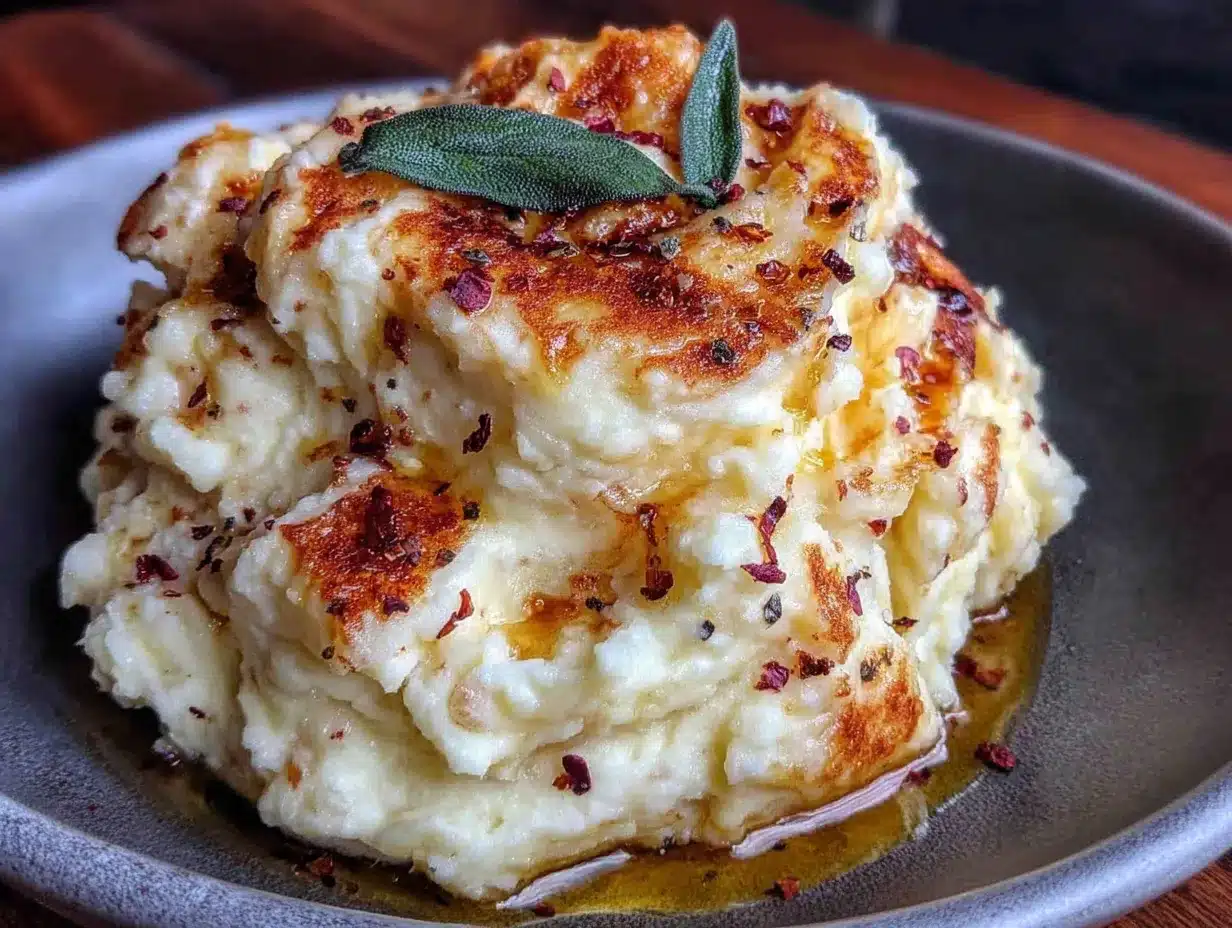
Let me walk you through this step by step. I’ve made these potatoes dozens of times, and I’ve learned a few tricks along the way that make the process smoother and the results more consistent.
Step 1: Prep the Potatoes (5 minutes)
Peel the potatoes and cut them into uniform chunks, about 1.5 to 2 inches in size. Uniformity is key here—if some pieces are much smaller than others, they’ll cook faster and turn mushy while the larger pieces are still undercooked. Rinse the cut potatoes in cold water to remove excess starch. This helps prevent them from becoming gluey later. Don’t soak them for more than a few minutes, though, or they’ll start absorbing water and lose flavor.
Step 2: Boil the Potatoes (15 to 20 minutes)
Place the potato chunks in a large pot and cover them with cold water by about an inch. Add a generous pinch of salt—about 1 tablespoon—to the water. This seasons the potatoes from the inside out. Bring the water to a boil over high heat, then reduce to a simmer and cook until the potatoes are fork-tender. You should be able to easily pierce a piece with a fork or knife, and it should slide off without resistance. Start checking at the 12-minute mark, but expect it to take closer to 15 to 18 minutes depending on the size of your chunks. Don’t overcook them, or they’ll become waterlogged and bland.
Step 3: Make the Brown Butter with Garlic (5 minutes)
While the potatoes are boiling, cut the butter into smaller pieces so it melts evenly. Place the butter in a small skillet or saucepan over medium heat. Let it melt completely, then continue cooking, swirling the pan occasionally. The butter will go through several stages: it’ll foam up, then the foam will subside, and you’ll start to see golden specks forming at the bottom of the pan. This is where you need to watch carefully. Add the peeled garlic cloves to the butter once it starts to turn a light golden color. Continue cooking, swirling constantly, until the butter turns a deep amber color and smells nutty and toasty—about 2 to 3 minutes after adding the garlic. The garlic should be soft and lightly golden. Remove the pan from the heat immediately to prevent burning. Trust your nose here—if it smells like toasted nuts, you’ve nailed it. If it smells acrid or burnt, you’ve gone too far and should start over.
Step 4: Drain and Dry the Potatoes (2 minutes)
When the potatoes are tender, drain them in a colander. Let them sit in the colander for about a minute to steam off excess moisture. This is a small step that makes a big difference—excess water in the potatoes will thin out your mash and make them less creamy. If you want to be extra thorough, you can return the drained potatoes to the hot pot and let them sit over low heat for another minute, shaking occasionally, to dry them out further.
Step 5: Mash the Potatoes (3 to 5 minutes)
Return the drained potatoes to the pot or transfer them to a large mixing bowl. Mash them with a potato masher until they reach your desired consistency. I like to leave a few small lumps for texture, but go ahead and mash until smooth if that’s your preference. Don’t over-mash—overworking the potatoes releases too much starch and can make them gluey. Stop as soon as they look good to you.
Step 6: Add the Brown Butter and Garlic (2 minutes)
Pour the brown butter and garlic cloves over the mashed potatoes. The garlic cloves should be soft enough to mash right into the potatoes—just press them with the back of a fork or incorporate them as you mix. Stir gently to combine, making sure the brown butter is evenly distributed. You’ll see the potatoes take on a beautiful golden hue from the butter.
Step 7: Finish with Milk and Seasoning (2 minutes)
Warm the milk in the microwave for about 30 seconds or in a small saucepan until it’s warm to the touch but not boiling. Pour the warm milk over the potatoes and stir gently until incorporated. Add the salt and pepper, then taste and adjust. I usually end up adding a little more salt than I think I need—potatoes can handle it, and the brown butter balances the saltiness beautifully. If the potatoes seem too thick, add a splash more warm milk. If they’re too thin, let them sit for a minute—they’ll thicken as they cool.
Step 8: Serve Immediately (1 minute)
Transfer the mashed potatoes to a serving bowl. If you’re using fresh herbs, sprinkle them on top along with an extra drizzle of brown butter if you reserved any. Serve hot.
Troubleshooting Tip: If your potatoes turn out gluey, it’s usually from over-mashing or using a food processor or blender. Stick to a hand masher or ricer for the best texture. If they’re too thin, you may have added too much milk or not drained the potatoes well enough. Let them sit for a few minutes—they’ll firm up as the starch absorbs the liquid.
Cooking Tips & Techniques
Over the years, I’ve made plenty of mistakes with mashed potatoes, and I’ve learned a few things that make this recipe foolproof. Here are the tips I wish someone had told me earlier.
Master the Brown Butter: The key to perfect brown butter is patience and attention. Use medium heat, not high, and swirl the pan constantly once the butter starts to foam. The transition from golden to burnt happens fast—like, in seconds. I always pull the pan off the heat a little earlier than I think I need to, because the residual heat will continue cooking the butter for another few seconds. If you’re nervous, you can practice with a small amount of butter first. I ruined three batches before I got the hang of it, and honestly, that’s normal.
Don’t Skip the Garlic in the Butter: This is the trick that makes these potatoes special. Cooking the garlic cloves in the brown butter does two things: it infuses the butter with garlic flavor, and it softens the garlic so it mashes right into the potatoes. The result is a sweet, mellow garlic taste without any harshness. If you add raw garlic later, you’ll miss out on that gentle flavor. Trust me on this one.
Warm Your Milk: Cold milk straight from the fridge will cool down your potatoes and can make them stiff and gluey. Always warm the milk before adding it. I microwave it in a glass measuring cup for about 30 seconds. You don’t need to boil it—just take the chill off.
Start with Cold Water: When boiling potatoes, always start them in cold water, not boiling. This ensures the potatoes cook evenly all the way through. If you drop them into boiling water, the outside cooks faster than the inside, leading to uneven texture. It’s a small detail, but it makes a difference.
Multitasking Strategy: I start the potatoes boiling first, then make the brown butter while they cook. This way, everything finishes around the same time. If the butter finishes before the potatoes are done, just set it aside—it’ll stay liquid and can be reheated gently if needed. The garlic will continue to soften in the warm butter.
Consistency Tip: For the creamiest mashed potatoes, use a ricer instead of a masher. A ricer produces a uniform, silky texture without any lumps. If you’re using a masher, resist the urge to keep mashing once the potatoes are broken down. Over-mashing activates the starch and leads to a gluey, pasty texture. I learned this the hard way after serving gummy potatoes to dinner guests once—never again.
Variations & Adaptations
One of the things I love about this recipe is how adaptable it is. Here are a few variations I’ve tried and loved, along with some ideas for customizing it to your taste.
Herb-Infused Brown Butter: Add a few sprigs of fresh thyme or rosemary to the butter as it browns. The herbs will crisp up and add a lovely aromatic flavor. Remove the sprigs before adding the butter to the potatoes, or leave them in for a more rustic presentation. I tried this with sage once, and it was incredible—perfect for fall and winter meals.
Cheesy Brown Butter Mashed Potatoes: Stir in 1/2 cup of grated Parmesan or sharp cheddar cheese after adding the brown butter. The cheese melts into the potatoes and adds a savory, umami depth. For a more indulgent version, use Gruyère or fontina. I made this for a potluck last year, and people kept asking for the recipe.
Vegan Version: Use a high-quality vegan butter that browns well (Miyoko’s is my favorite) and unsweetened oat milk or full-fat coconut milk. The brown butter flavor is still there, and the texture comes out surprisingly creamy. I’ve served this to non-vegans who didn’t notice the difference.
Roasted Garlic Variation: If you want an even deeper garlic flavor, roast a whole head of garlic in the oven while the potatoes boil. Squeeze the soft, caramelized cloves into the potatoes along with the brown butter. This adds a sweet, jammy garlic flavor that’s different from the stovetop method. It takes a bit more time, but it’s worth it for special occasions.
Spicy Twist: Add a pinch of red pepper flakes or a dash of cayenne pepper to the brown butter as it cooks. The heat cuts through the richness and adds a nice warmth. Start with a small amount—you can always add more, but you can’t take it out. I tried this on a whim one night and loved the contrast.
Lighter Version: Reduce the butter to 1/3 cup and use 2% milk. The potatoes won’t be as rich, but they’ll still have that nutty brown butter flavor. You can also swap half the potatoes for cauliflower for a lower-carb option. Just boil the cauliflower with the potatoes and mash together.
Make It a Meal: Top the mashed potatoes with sautéed mushrooms, caramelized onions, or crispy fried shallots for a hearty vegetarian main dish. Add a fried egg on top for extra protein, or serve alongside a simple green salad for a complete meal.
Serving & Storage Suggestions
These brown butter garlic mashed potatoes are best served hot, straight from the pot, but they’re also forgiving enough to hold for a while if you need to coordinate timing with other dishes.
Serving Temperature and Presentation: Serve the potatoes in a warm bowl—I just run mine under hot water for a minute and dry it off. This keeps the potatoes hot longer. Spoon them into the bowl and create a slight well in the center, then drizzle a little extra brown butter or melted butter on top. Sprinkle with fresh parsley or chives for a pop of color. If you’re serving these for a holiday meal, they look beautiful in a ceramic or wooden serving bowl.
Complementary Dishes: These potatoes pair beautifully with roasted meats like chicken, turkey, beef, or pork. They’re also great with grilled fish or a hearty vegetable stew. For a complete meal, serve them alongside roasted green beans, sautéed spinach, or a crisp winter salad. A glass of full-bodied white wine or a light red like Pinot Noir complements the nutty butter flavors nicely.
Storage Instructions: Store leftover mashed potatoes in an airtight container in the refrigerator for up to 4 days. The brown butter flavor actually deepens a bit overnight, so leftovers can be even better the next day. To reheat, transfer the potatoes to a saucepan and add a splash of milk or water. Warm over low heat, stirring frequently, until heated through. You can also reheat them in the microwave in 30-second bursts, stirring between each. If the potatoes seem dry, stir in a little extra butter or milk.
Freezing Instructions: These potatoes freeze well for up to 3 months. Let them cool completely, then transfer to a freezer-safe container or zip-top bag. Remove as much air as possible before sealing. To thaw, place the container in the refrigerator overnight. Reheat as directed above. The texture might be slightly softer after freezing, but the flavor remains excellent.
Flavor Development: The brown butter flavor becomes more pronounced after the potatoes sit for a while. I actually think these are even better the next day, as the flavors meld together. If you’re making them ahead for a holiday meal, you can prepare them a day in advance and reheat them gently. Just add a little extra warm milk when reheating to restore the creamy texture.
Nutritional Information & Benefits
Here’s the nutritional breakdown for a serving of these brown butter garlic mashed potatoes (based on 6 servings):
| Nutrient | Amount Per Serving |
|---|---|
| Calories | 285 |
| Total Fat | 16g |
| Saturated Fat | 10g |
| Cholesterol | 42mg |
| Sodium | 420mg |
| Total Carbohydrates | 32g |
| Dietary Fiber | 3g |
| Sugars | 2g |
| Protein | 4g |
These potatoes are a good source of vitamin C and potassium from the potatoes, and they provide some calcium from the milk. The brown butter adds healthy fats that help your body absorb fat-soluble vitamins. While this isn’t a low-calorie dish, it’s made with whole, simple ingredients and can be part of a balanced diet when enjoyed in moderation.
Dietary Considerations: This recipe is naturally gluten-free and nut-free. For a dairy-free version, use vegan butter and plant-based milk as suggested above. For a lower-fat option, reduce the butter and use 2% milk. The potatoes themselves are a good source of complex carbohydrates for sustained energy, and the garlic offers potential immune-supporting benefits.
Potential Allergens: This recipe contains dairy (butter and milk). If you have a dairy allergy, use the dairy-free substitutions mentioned earlier. The recipe does not contain common allergens like eggs, soy, or shellfish in its standard form.
Conclusion
These brown butter garlic mashed potatoes have become a staple in my kitchen for good reason. They take something simple and familiar—mashed potatoes—and make it feel special without requiring a lot of extra effort or fancy ingredients. The nutty brown butter and sweet, mellow garlic create a flavor that’s both comforting and sophisticated, and the creamy texture is exactly what you want from a bowl of mashed potatoes.
I love that this recipe came from a casual moment with a neighbor, not from a cookbook or a cooking class. It reminds me that the best recipes often come from real people sharing what they know in the most natural way. Every time I make these potatoes, I think of Mei standing at her door with that little jar, and I feel grateful for those small, generous moments that change how we cook.
I’d love to hear how these turn out for you. Have you tried browning butter before? Did you add any twists or variations? Drop a comment below and let me know—I read every single one, and I’m always looking for new ideas to try. And if you share a photo of your potatoes on social media, tag me so I can see your beautiful creation. Happy cooking, friends!
Frequently Asked Questions
Can I use Yukon Gold potatoes instead of russets?
Absolutely. Yukon Golds have a naturally buttery flavor and a slightly denser texture that works beautifully in this recipe. They’ll give you a creamier, more substantial mash compared to the light and fluffy texture of russets. Both are excellent choices—it just depends on your preference.
Can I make these potatoes ahead of time?
Yes, you can make them up to 2 days in advance. Prepare the recipe as directed, let the potatoes cool completely, then store them in an airtight container in the refrigerator. To reheat, warm them in a saucepan over low heat with a splash of milk, stirring frequently. The brown butter flavor actually deepens overnight, so they might taste even better the next day.
Why did my brown butter burn?
Brown butter can go from perfect to burnt in seconds. The most common mistake is using too high heat. Always use medium heat and watch the butter closely once it starts to foam. Remove the pan from the heat as soon as the butter turns a deep amber color and smells nutty. If you’re unsure, pull it off a little early—the residual heat will finish the job.
Can I use pre-minced garlic from a jar?
I don’t recommend it. Pre-minced garlic has a different flavor profile—it’s often treated with preservatives and lacks the sweetness of fresh garlic. The whole garlic cloves cook gently in the brown butter, becoming soft and mellow. Pre-minced garlic would burn more easily and won’t give you the same sweet, caramelized result.
How do I fix mashed potatoes that are too thin?
If your mashed potatoes are too thin, don’t panic. Let them sit for a few minutes—the starch will continue to absorb liquid and they’ll thicken as they cool. If they’re still too thin, you can gently reheat them in a saucepan over low heat, stirring constantly, to cook off some excess moisture. Avoid adding more potatoes, as this will throw off the flavor balance.
Pin This Recipe!
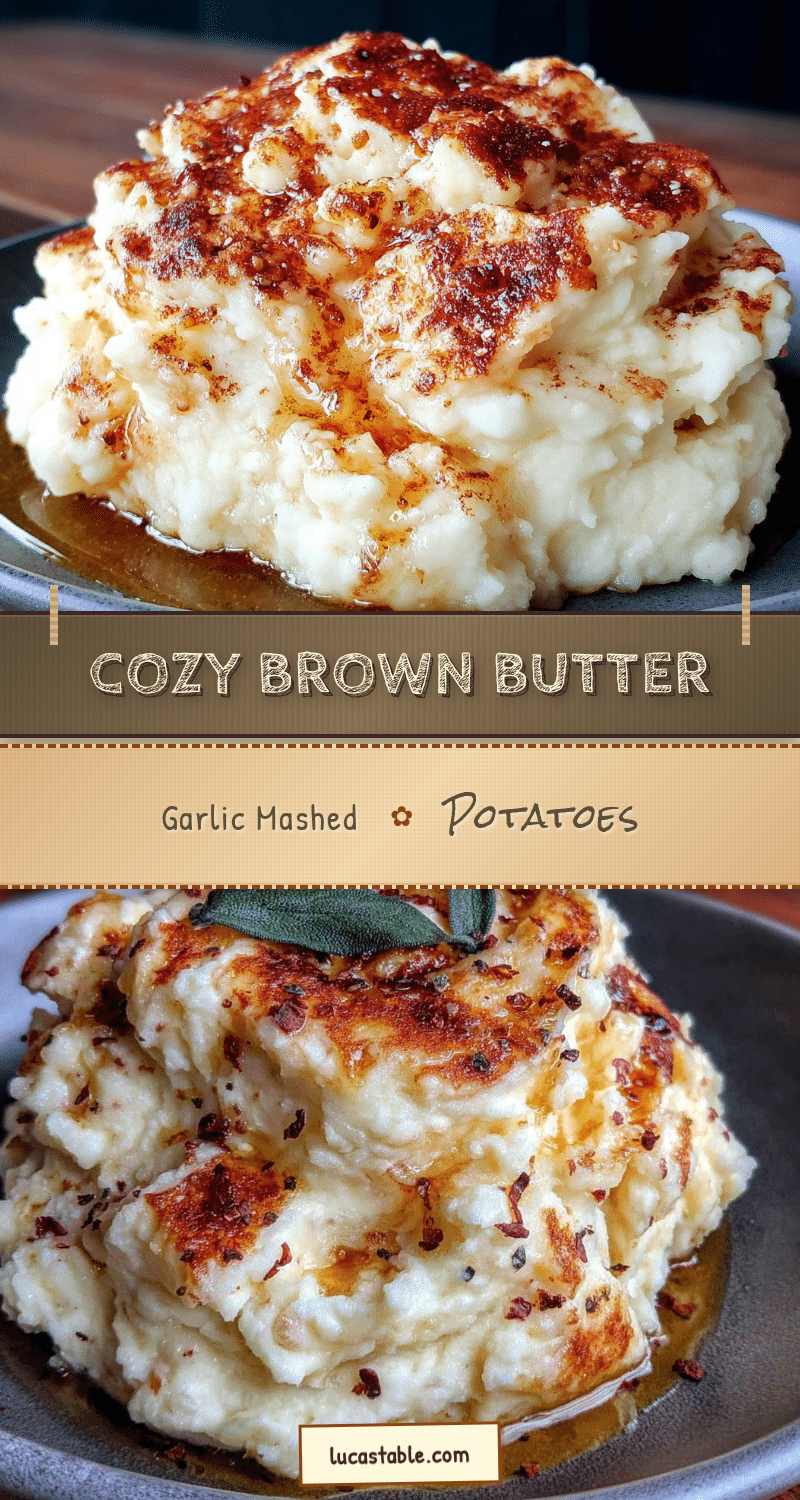
Cozy Brown Butter Garlic Mashed Potatoes: Easy Best Recipe
These brown butter garlic mashed potatoes are creamy, rich, and infused with nutty brown butter and sweet, mellow garlic. An easy, comforting side dish perfect for weeknights or holidays.
- Prep Time: 10 minutes
- Cook Time: 25 minutes
- Total Time: 35 minutes
- Yield: 6 servings 1x
- Category: Side Dish
- Cuisine: American
Ingredients
- 2 pounds russet potatoes (about 4 medium), peeled and cut into 1.5-2 inch chunks
- 1/2 cup (1 stick or 113 grams) unsalted butter
- 6 to 8 medium garlic cloves, peeled
- 1/2 cup (120 ml) whole milk, warmed
- 1 teaspoon fine sea salt, plus more for boiling water
- 1/2 teaspoon freshly ground black pepper
- Optional: 2 tablespoons chopped fresh parsley or chives for garnish
Instructions
- Peel the potatoes and cut them into uniform 1.5 to 2-inch chunks. Rinse in cold water to remove excess starch; do not soak.
- Place potato chunks in a large pot and cover with cold water by about an inch. Add 1 tablespoon salt. Bring to a boil over high heat, then reduce to a simmer. Cook until fork-tender, about 15-18 minutes.
- While potatoes boil, cut butter into pieces and place in a small skillet or saucepan over medium heat. Melt completely, then continue cooking, swirling occasionally, until butter foams, subsides, and turns deep amber with a nutty aroma. Add garlic cloves and cook, swirling constantly, until garlic is soft and lightly golden, about 2-3 minutes. Remove from heat immediately.
- Drain potatoes in a colander and let steam for about 1 minute to remove excess moisture. For extra dryness, return to the hot pot over low heat for 1 minute, shaking occasionally.
- Return drained potatoes to the pot or a large bowl. Mash with a potato masher to desired consistency (leave some lumps for texture if preferred). Do not over-mash.
- Pour the brown butter and garlic cloves over the mashed potatoes. Mash the soft garlic cloves into the potatoes with a fork or mix thoroughly. Stir gently to evenly distribute.
- Add the warm milk, salt, and pepper. Stir gently until incorporated. Taste and adjust seasoning, adding more salt if needed. If too thick, add a splash more warm milk; if too thin, let sit for a minute to thicken.
- Transfer to a serving bowl. Garnish with fresh herbs if desired. Serve hot.
Notes
For best results, use a light-colored pan to monitor butter color. Warm milk before adding to prevent potatoes from becoming gluey. Start potatoes in cold water for even cooking. Brown butter can burn quickly; remove from heat as soon as it turns amber and smells nutty. Leftovers can be stored in an airtight container in the refrigerator for up to 4 days or frozen for up to 3 months.
Nutrition
- Serving Size: 1 serving (about 1 c
- Calories: 285
- Sugar: 2
- Sodium: 420
- Fat: 16
- Saturated Fat: 10
- Carbohydrates: 32
- Fiber: 3
- Protein: 4
Keywords: brown butter, garlic, mashed potatoes, easy, side dish, comfort food, holiday, Thanksgiving